The article centers on the effective utilization of travel influencer marketing to achieve success within the hospitality sector. It underscores the necessity of collaborating with the right influencers to amplify brand visibility and stimulate bookings. This assertion is bolstered by statistics indicating that a substantial percentage of travelers base their decisions on social media recommendations. By leveraging these insights, hospitality businesses can strategically position themselves to capitalize on the growing influence of social media in travel decision-making.
The rise of social media has fundamentally transformed how consumers discover and engage with travel experiences, positioning travel influencer marketing as an indispensable strategy for hospitality businesses. By collaborating with influential figures in the travel sector, hotels and restaurants can access a vast audience eager for authentic recommendations and captivating content.
However, with numerous influencers competing for attention, how can hospitality brands effectively identify the right partners and measure the success of their campaigns? This article explores the intricacies of travel influencer marketing, providing valuable insights and strategies to help businesses navigate this dynamic landscape and achieve remarkable results.
Travel influencer marketing serves as a powerful strategy that involves collaboration with individuals possessing substantial followings on social media, particularly within the travel sector. These influencers craft captivating content that showcases your hotel or restaurant, significantly expanding your reach and enhancing visibility. Notably, 69% of consumers rely on recommendations from social media personalities rather than direct brand information, underscoring the effectiveness of this method in fostering genuine engagement with potential customers.
Understanding the demographics of travel content creators' audiences is essential for tailoring campaigns. By 2025, a significant portion of travelers, especially Gen Z and Millennials, actively seek travel inspiration on platforms like Instagram and TikTok, where 61% of travelers now discover trip ideas. This shift emphasizes the necessity of aligning your marketing strategies with the platforms preferred by your target demographics.
The impact of travel influencer marketing on hospitality marketing is profound. For instance, a Caribbean eco-resort witnessed a remarkable 35% increase in direct bookings within two weeks of collaborating with mid-tier vloggers. Such case studies illustrate how partnerships with key figures can yield measurable outcomes, including enhanced brand awareness and increased bookings.
Expert opinions consistently highlight the benefits of travel influencer marketing for hotels. By leveraging the established trust that influencers have with their audiences, hotels can enhance their visibility and credibility in a competitive market. This approach not only attracts visitors to company websites but also cultivates long-term connections with consumers, ultimately leading to enhanced loyalty and repeat bookings.
In summary, travel influencer marketing offers hotels a unique opportunity to connect with potential guests in a relatable and engaging manner, making it an essential component of modern hospitality marketing strategies.

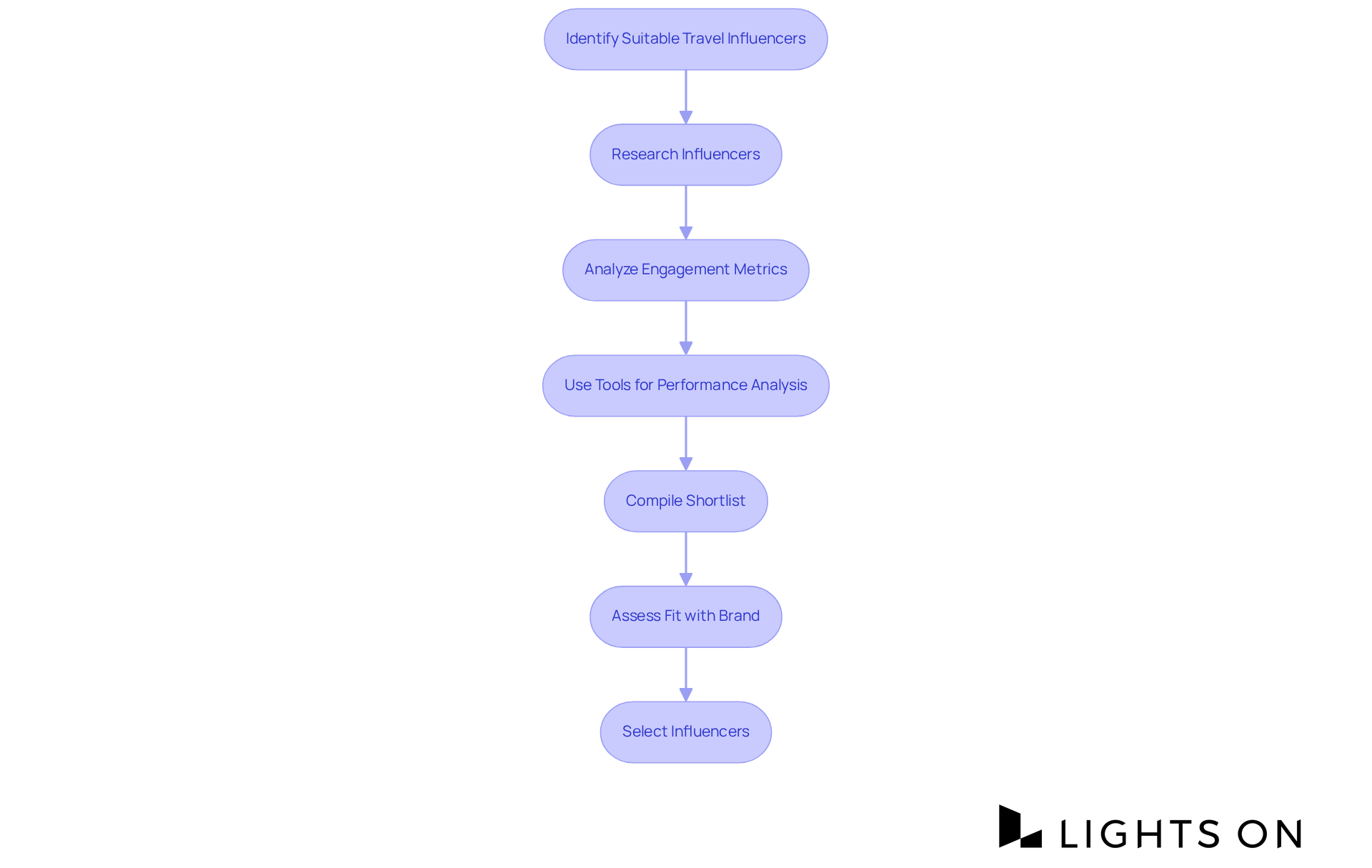
To effectively identify suitable personalities for travel influencer marketing, begin by researching individuals whose values align with your brand and resonate with your target market. Utilize social media platforms such as Instagram, TikTok, and YouTube to uncover influencers specializing in travel influencer marketing and hospitality content. Pay close attention to engagement metrics—likes, comments, and shares—as these figures reflect the creator's ability to connect with their followers.
Furthermore, tools like BuzzSumo and HypeAuditor can assist in analyzing influencer performance and public engagement. After compiling a shortlist, assess their content style, audience demographics, and past collaborations to ensure a strong fit with your brand's identity and marketing goals.
This thorough evaluation process will empower you to choose individuals who can authentically promote your hotel using travel influencer marketing and drive meaningful engagement.
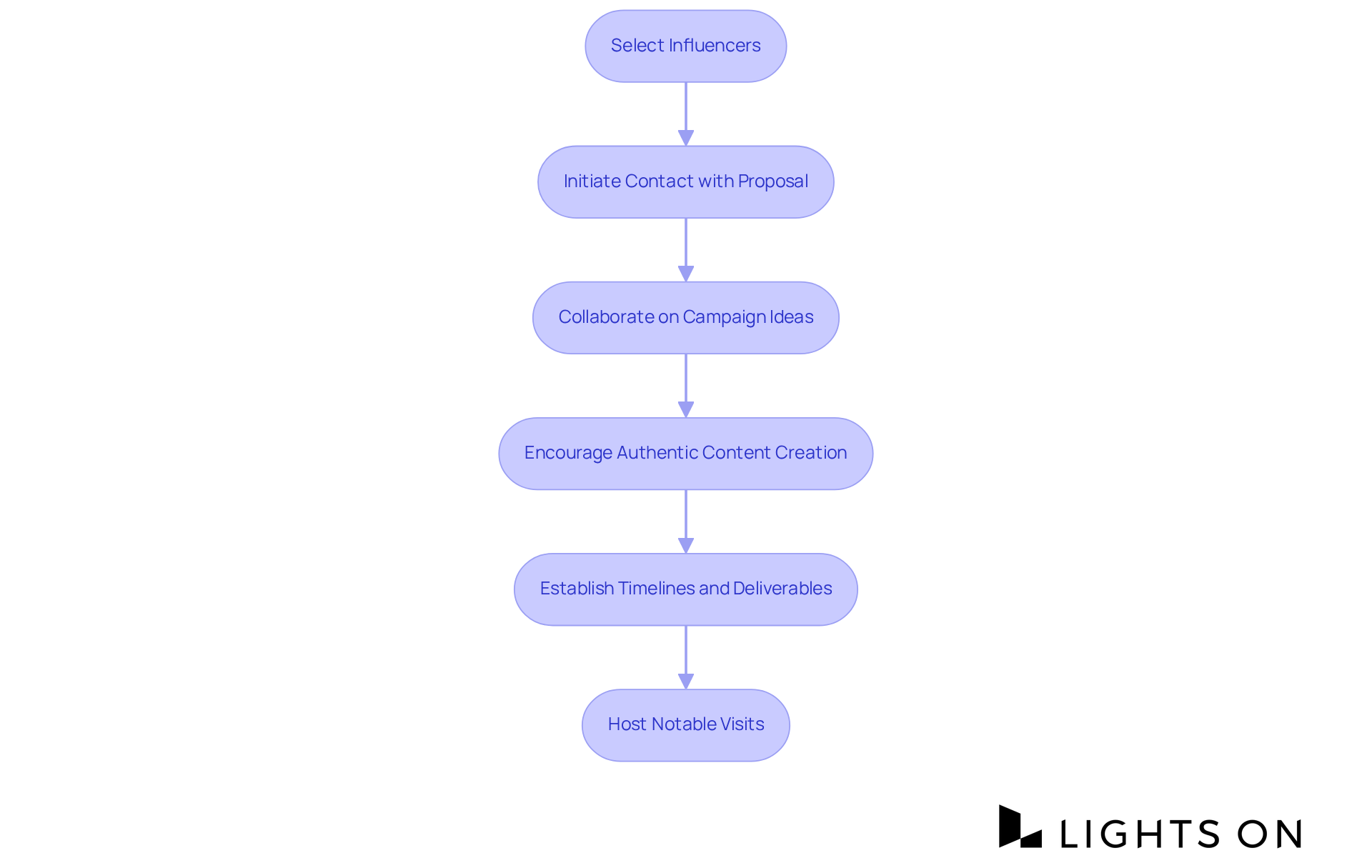
After selecting suitable individuals, initiate contact with a well-defined proposal that clearly outlines the partnership's objectives, expectations, and compensation structure. Collaborate on innovative campaign ideas that showcase your hotel or restaurant's unique offerings, such as exclusive experiences or special events tailored for the audience. Encourage influencers to generate authentic content that resonates with their followers, utilizing diverse formats like blog posts, social media stories, and videos. Establish clear timelines and deliverables to ensure a seamless collaboration.
Furthermore, consider hosting notable visits to your property, allowing influencers to experience your services firsthand and share their genuine impressions, significantly enhancing engagement and trust among potential guests. This approach not only promotes authentic storytelling but also strengthens the individual's connection with your brand, ultimately driving bookings and improving visibility.
Notably, nearly three-quarters of travelers have booked a hotel based on a recommendation from a social media personality, underscoring the significance of travel influencer marketing partnerships. As Debbie Miller notes, travel influencer marketing presents hotels with substantial opportunities to enhance brand visibility and connect with targeted demographics, making it essential to view these partnerships as strategic alliances rather than mere transactions.
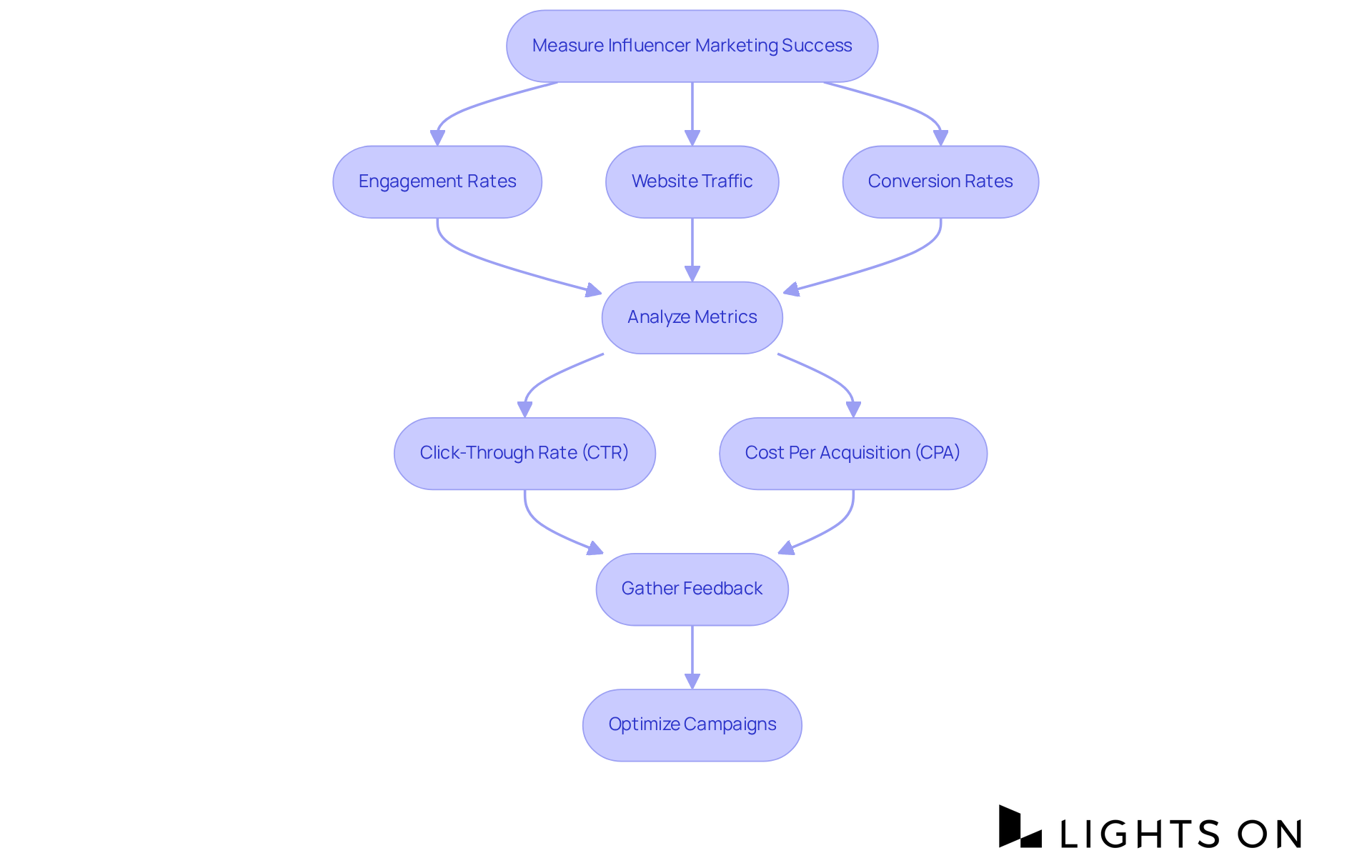
To effectively measure the success of your marketing campaigns, tracking key performance indicators (KPIs) such as engagement rates, website traffic, and conversion rates is essential. Engagement rates should ideally reach at least 3-4%, signifying an active audience that resonates with your content. Utilize tools like Google Analytics to monitor referral traffic from promotional posts, allowing you to assess how many bookings or inquiries stem from these campaigns. For instance, analyzing metrics such as Click-Through Rate (CTR) and Cost Per Acquisition (CPA) provides insights into the effectiveness of your calls to action and overall campaign efficiency.
Furthermore, gathering feedback from influencers and their audiences can yield valuable insights into the campaign's impact on brand perception and audience sentiment. This qualitative data, when combined with quantitative metrics, offers a holistic view of campaign performance. Based on the data collected, optimize future campaigns by refining your advocate selection, enhancing content strategies, or adjusting partnership terms to improve effectiveness and ROI. For example, incorporating influencer-generated content into your hotel’s website can enhance SEO and provide authentic testimonials, further driving traffic and bookings. By continuously evaluating these metrics and adapting your strategies, you can maximize the benefits of influencer marketing in the competitive hospitality landscape.
Travel influencer marketing emerges as a vital strategy for hospitality businesses seeking to enhance visibility and engagement with potential guests. By collaborating with influencers who resonate with target demographics, hotels and restaurants can leverage authentic content to attract a wider audience and foster genuine connections. This approach not only amplifies brand awareness but also cultivates loyalty among consumers who trust recommendations from social media personalities over traditional advertising.
Understanding the travel influencer landscape is crucial, from selecting the right personalities to developing impactful partnerships and campaigns. Key insights include:
Collectively, these elements underscore the effectiveness of influencer marketing in driving bookings and enhancing brand reputation within the competitive hospitality sector.
As the travel landscape continues to evolve, embracing travel influencer marketing presents an unparalleled opportunity for hospitality brands to connect with their audience meaningfully. By prioritizing authentic storytelling and strategic partnerships, businesses can navigate the changing dynamics of consumer behavior and position themselves for sustained success. It is essential for hospitality leaders to actively engage with this trend, ensuring their marketing strategies align with the preferences of modern travelers and capitalize on the influence that these creators wield.
What is travel influencer marketing?
Travel influencer marketing is a strategy that involves collaborating with individuals who have significant followings on social media, particularly in the travel sector, to create engaging content that showcases hotels or restaurants, thereby expanding reach and enhancing visibility.
How effective is travel influencer marketing?
It is highly effective, as 69% of consumers prefer recommendations from social media personalities over direct brand information, fostering genuine engagement with potential customers.
Which demographics are most influenced by travel content creators?
A significant portion of travelers, particularly Gen Z and Millennials, actively seek travel inspiration on platforms like Instagram and TikTok, where 61% of travelers discover trip ideas.
What impact can travel influencer marketing have on hospitality businesses?
Travel influencer marketing can lead to measurable outcomes, such as increased brand awareness and bookings. For example, a Caribbean eco-resort saw a 35% increase in direct bookings within two weeks of collaborating with mid-tier vloggers.
What are the benefits of travel influencer marketing for hotels?
The benefits include enhanced visibility and credibility in a competitive market, attracting visitors to company websites, and building long-term connections with consumers, which can lead to increased loyalty and repeat bookings.
Why is it important to align marketing strategies with preferred platforms?
Aligning marketing strategies with the platforms preferred by target demographics is crucial because it ensures that campaigns effectively reach and engage the audiences most likely to convert into customers.
Transform your group booking strategies with Lights On and watch your occupancy soar.


.svg)

