The hospitality industry is experiencing a significant shift, with social media emerging as a crucial force in shaping customer experiences and driving business success. By leveraging platforms like Instagram and Facebook, hotels and restaurants can enhance their visibility and foster meaningful connections with potential guests. However, as the digital landscape evolves, a pressing challenge arises: how can hospitality businesses effectively navigate this dynamic environment to maximize engagement and conversions? This article explores four essential steps that will empower establishments to master social media, ensuring they stand out in a crowded marketplace while meeting the demands of today’s discerning travelers.
The role of social media and the hospitality industry has become essential in marketing strategies, serving as both a platform for brand visibility and a direct channel for customer engagement and reservations. By leveraging online platforms, hotels and restaurants can effectively showcase their unique offerings, share authentic customer experiences, and cultivate a sense of community among their audience. For instance, platforms like Instagram and Facebook allow businesses to share visually appealing content that highlights their amenities and services, significantly impacting potential guests' choices.
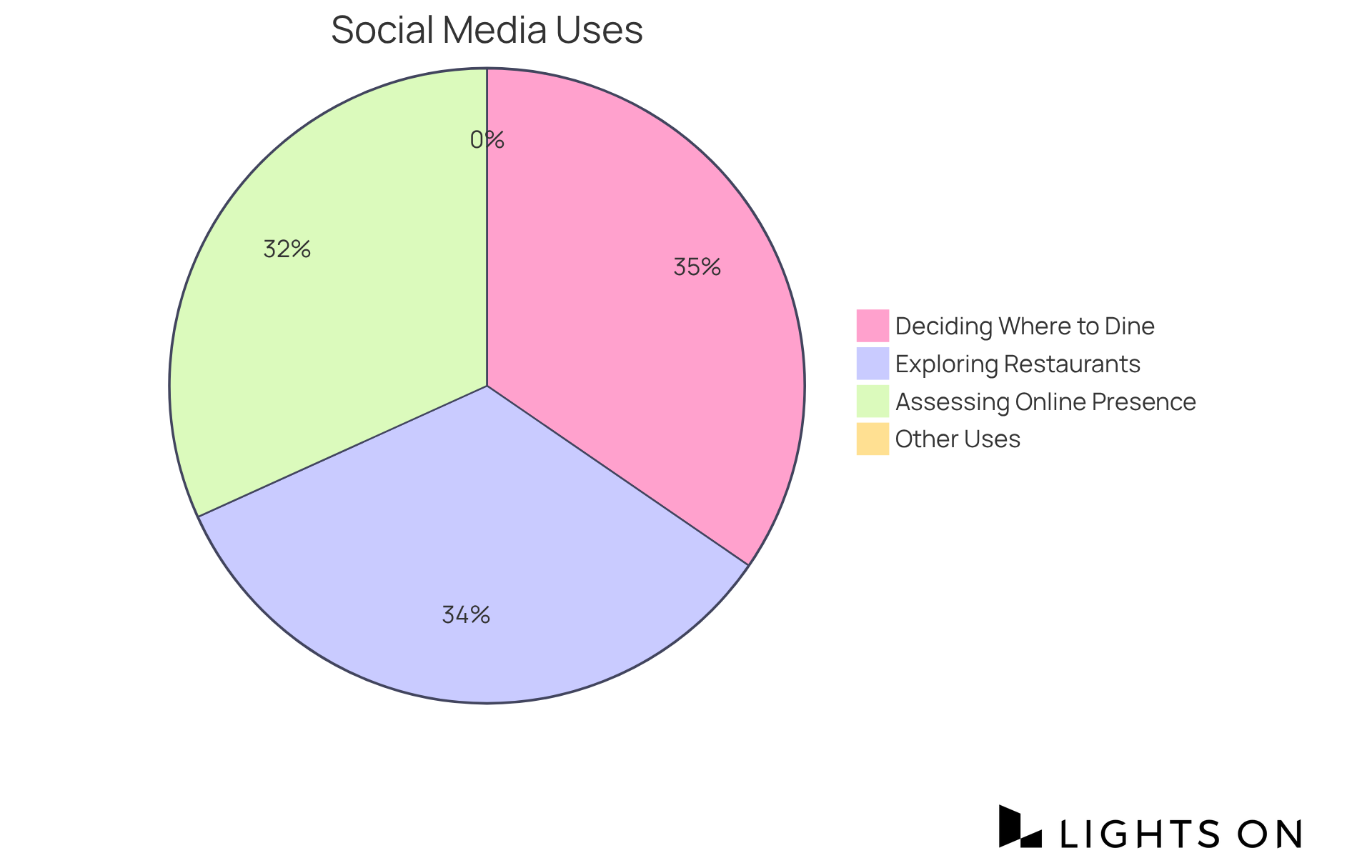
In fact, a striking 72% of individuals turn to online platforms to explore restaurants, while 68% assess a restaurant's online presence before making a visit. Furthermore, 74% of consumers use these platforms to decide where to dine, underscoring their substantial influence on consumer behavior. Understanding this dynamic role is vital for mastering online marketing in social media and the hospitality industry, as it enhances customer interaction and loyalty while showcasing the distinctiveness of each establishment.
Moreover, incorporating user-generated content and influencer partnerships can boost visibility and engagement on social media and the hospitality industry, transforming online platforms into a revolutionary tool. However, hotels often face challenges in demonstrating a clear return on investment (ROI) from their online initiatives, highlighting the need for effective strategies that provide immediate feedback to understand customer preferences and improve service.
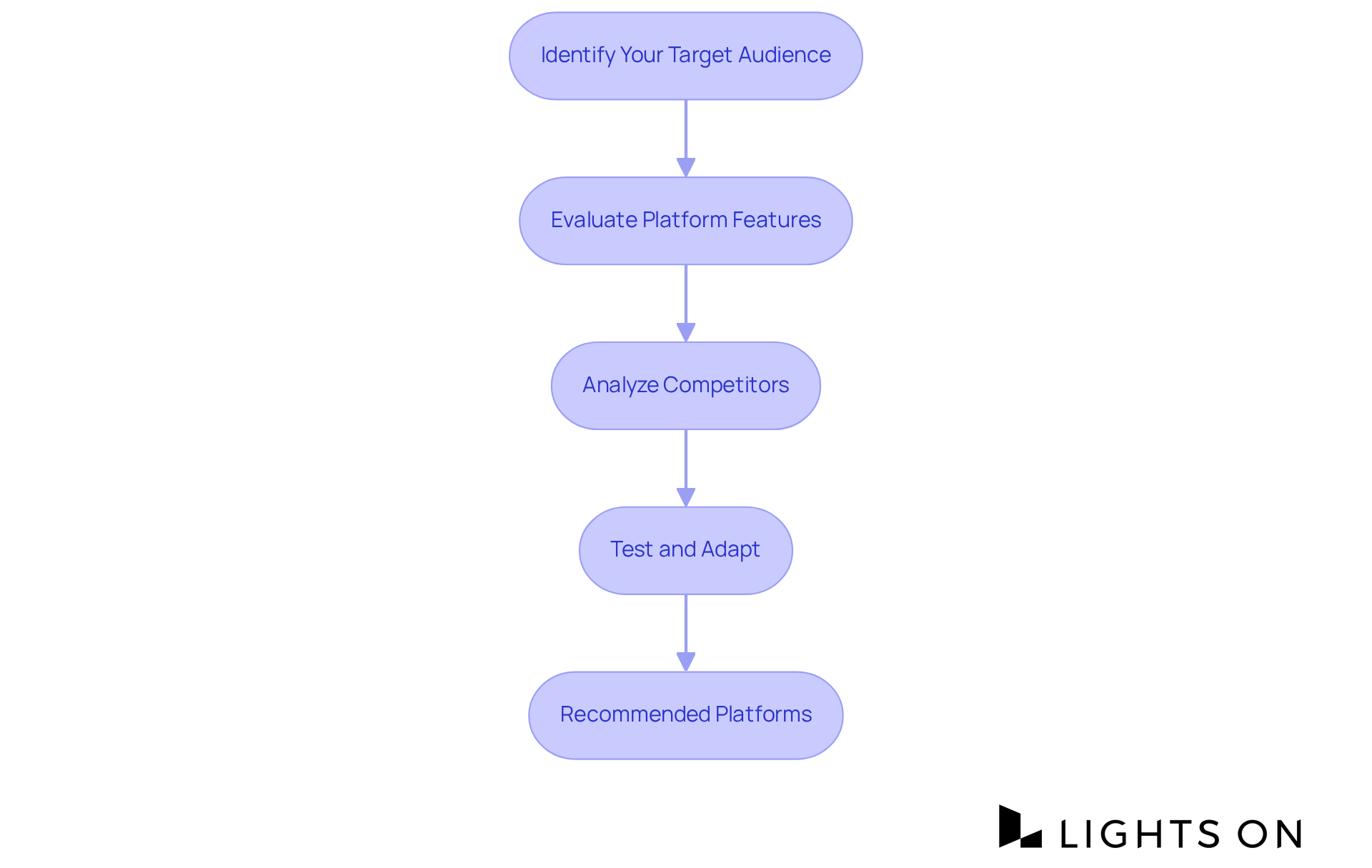
Selecting the right networking platforms is crucial for amplifying your marketing efforts in social media and the hospitality industry. To ensure your strategy is effective, follow these steps:
Identify Your Target Audience: Understanding your customers' demographics and online habits is key. For example, Gen Z often gravitates towards TikTok and Instagram, while older generations are more inclined to engage on Facebook.
Evaluate Platform Features: Each social media platform presents unique advantages. Instagram shines in visual storytelling, making it perfect for showcasing captivating hotel imagery. On the other hand, LinkedIn is ideal for B2B marketing and professional networking.
Analyze Competitors: Take a close look at where your competitors are active and how they engage with their followers. This analysis can uncover successful strategies and highlight potential market gaps that your hotel can capitalize on.
Test and Adapt: Begin with a select few platforms, monitor their performance, and refine your strategy based on what resonates most with your audience.
Recommended Platforms:
By strategically choosing platforms that align with your target audience and business objectives, you can significantly enhance your hotel's visibility and drive bookings effectively in the context of social media and the hospitality industry.
Creating a tailored content strategy involves several key steps:
Define Your Objectives: Clearly outline what you intend to accomplish with your online presence. Whether it's increasing bookings, enhancing brand awareness, or fostering customer loyalty, having specific objectives will guide your strategy. Notably, hotels utilizing online platforms experience a rise in direct reservations by 20% annually.
Understand Your Viewers: Utilize analytics tools to gather insights about your viewers' preferences, behaviors, and engagement patterns. Knowing your audience is crucial; in fact, 75% of travelers are influenced by social media and the hospitality industry when deciding on their next destination.
Create Diverse Material: Incorporate a mix of formats, such as promotional posts, behind-the-scenes videos, user-generated content, and interactive elements like polls or quizzes. For instance, hotels that leverage user-generated content within social media and the hospitality industry can observe bookings rise by 2.5 times compared to branded material. As Courtney Howard states, "User-generated content (UGC) isn’t just about reposting pretty pictures; it’s about trust." This variety keeps your audience engaged and interested.
Establish a Posting Schedule: Consistency is vital. Create a schedule that details what to share and when, ensuring a steady stream of content that aligns with your viewers' online behavior. Engaging posts during peak times can significantly boost visibility and interaction.
Engage with Your Audience: Respond promptly to comments, messages, and mentions. Active involvement nurtures a sense of community and promotes greater interaction with your content. As noted by online platform strategists, ensuring that everyone feels acknowledged and valued is crucial for establishing enduring connections with your audience.
Content Ideas:

To effectively measure and analyze your social media performance, follow these essential steps:
Set Key Performance Indicators (KPIs): Start by identifying metrics that align with your business objectives. Focus on engagement rates, reach, conversion rates, and follower growth. In the hospitality sector, successful KPIs should correlate directly with revenue outcomes, ensuring that your contributions to social media and the hospitality industry meaningfully impact your bottom line.
Use Analytics Tools: Leverage powerful platforms like Google Analytics, Hootsuite, or Sprout Social to track performance across various channels. These tools provide valuable insights into viewer behavior, material effectiveness, and overall engagement, enabling you to make data-driven decisions that enhance your strategy.
Regularly Review Data: Schedule consistent evaluations of your analytics to determine which materials perform best and identify areas for improvement. For instance, tracking metrics like click-through rates and conversion rates can reveal the effectiveness of your campaigns and highlight opportunities for optimization.
Adjust Your Strategy: Based on your findings, refine your approach to emphasize what resonates most with your audience. This may involve increasing the frequency of high-performing posts, experimenting with short-form videos, or incorporating user-generated materials to enhance authenticity and engagement.
Report and Share Insights: Create comprehensive reports summarizing your findings and share them with your team to foster a data-driven culture within your organization. Highlighting metrics like return on advertising spend (ROAS) and customer satisfaction scores can demonstrate the concrete impact of your online efforts.
Important Metrics to Track:

Mastering social media within the hospitality industry is no longer optional; it’s a vital component of successful marketing strategies. By harnessing the power of various online platforms, hospitality businesses can significantly enhance their visibility, engage meaningfully with customers, and ultimately drive bookings. The interplay between social media and consumer behavior is profound, making it essential for hotels and restaurants to adapt and innovate in their online presence.
Key strategies include:
Identifying the target audience and evaluating platform features can guide businesses in amplifying their marketing efforts effectively. Furthermore, creating a diverse content strategy that resonates with viewers fosters engagement, while ongoing analysis of social media performance ensures that strategies remain relevant and impactful.
In an industry where customer decisions are heavily influenced by online interactions, embracing these strategies is crucial. By prioritizing social media as a core aspect of their marketing approach, hospitality businesses can cultivate a loyal customer base and stay ahead of trends. The future of hospitality hinges on the ability to connect authentically with audiences online. Therefore, it is imperative for businesses to invest in mastering social media in the coming years.
What is the role of social media in the hospitality industry?
Social media plays a crucial role in the hospitality industry by serving as a platform for brand visibility and a direct channel for customer engagement and reservations. It allows hotels and restaurants to showcase their unique offerings and share authentic customer experiences.
How does social media influence consumer behavior in hospitality?
A significant percentage of consumers rely on social media to make dining decisions; 72% explore restaurants online, 68% assess a restaurant's online presence before visiting, and 74% use these platforms to decide where to dine, highlighting their substantial influence.
Why is understanding social media dynamics important for hospitality businesses?
Understanding the dynamics of social media is vital for mastering online marketing in the hospitality industry, as it enhances customer interaction and loyalty while showcasing the distinctiveness of each establishment.
What types of content are effective for hospitality businesses on social media?
Visually appealing content that highlights amenities and services, as well as user-generated content and influencer partnerships, are effective for boosting visibility and engagement on social media.
What challenges do hotels face with social media marketing?
Hotels often struggle to demonstrate a clear return on investment (ROI) from their online initiatives, indicating the need for effective strategies that provide immediate feedback to understand customer preferences and improve service.
Transform your group booking strategies with Lights On and watch your occupancy soar.


.svg)

