The article presents a comprehensive step-by-step guide for mastering marketing in the hotel industry, highlighting the critical need to understand target audiences, market trends, and effective promotional strategies. By outlining foundational concepts, strategic planning steps, and practical marketing tactics, the article empowers hotel marketers with essential tools designed to enhance visibility and optimize marketing performance, ultimately aimed at attracting and retaining guests.
In the fiercely competitive landscape of the hotel industry, mastering marketing strategies has never been more crucial. Travelers are increasingly seeking personalized experiences and unique offerings; thus, understanding the fundamental concepts of hotel marketing can set establishments apart from the crowd. However, the challenge lies not just in grasping these principles but in effectively implementing them to enhance visibility and drive bookings.
How can hotels navigate this complex terrain to ensure they not only attract guests but also foster lasting relationships? This question underscores the necessity for a strategic approach to marketing that resonates with today’s discerning travelers.
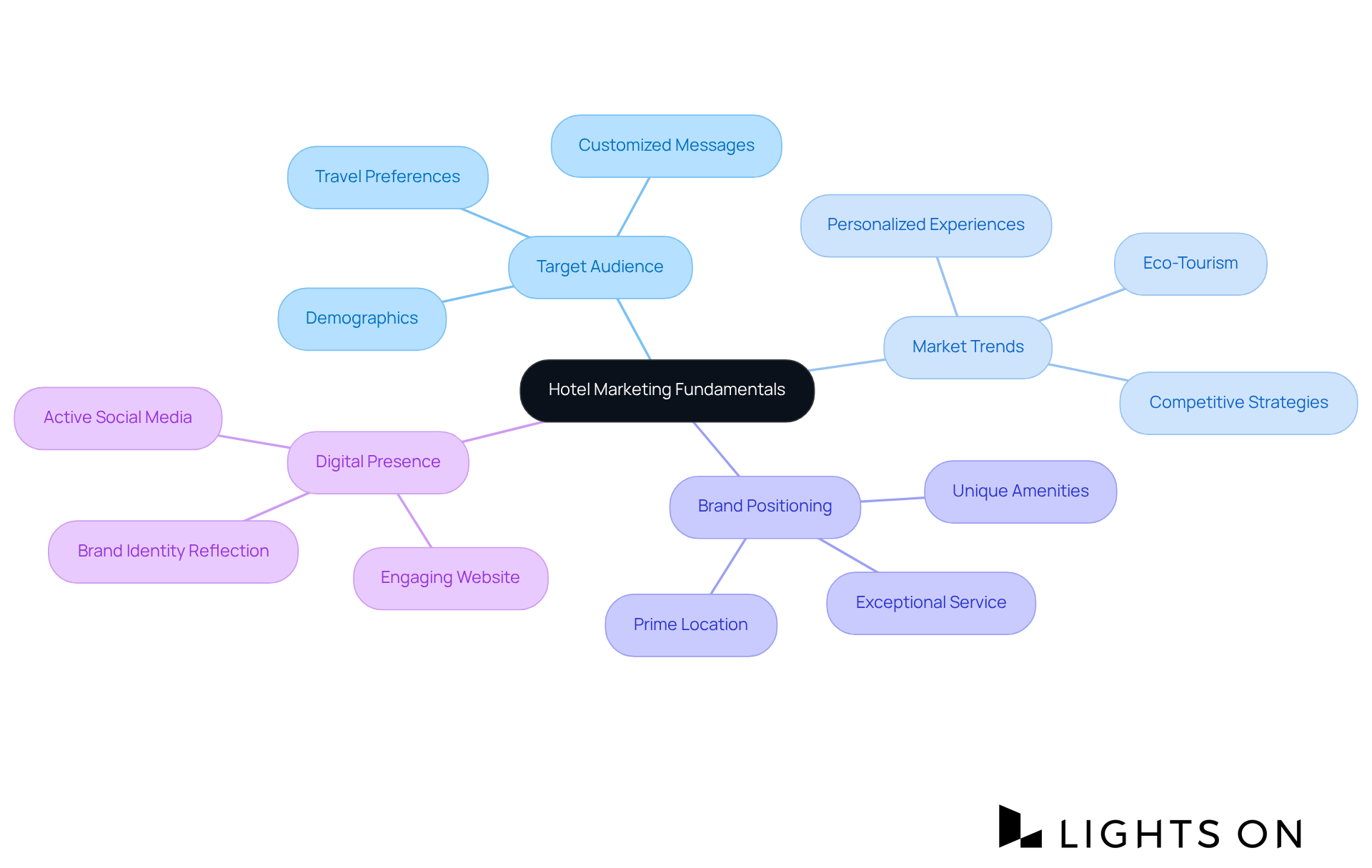
To master hotel marketing, it is essential to familiarize yourself with several key concepts that will serve as the foundation for your promotional strategy:
Target Audience: Begin by identifying your ideal guests. Consider demographics such as age, income, and travel preferences. Understanding your audience allows you to customize your promotional messages effectively, ensuring they resonate with potential customers.
Market Trends: Staying updated on industry trends is crucial. For instance, the rise of eco-tourism and the increasing demand for personalized experiences are shaping guest expectations. This knowledge will guide your promotional strategies and help you remain competitive in a rapidly evolving market.
Brand Positioning: Clearly define what distinguishes your establishment from competitors. Whether it’s unique amenities, exceptional service, or a prime location, a robust brand position will connect with your intended audience and enhance your promotional efforts.
Digital Presence: Recognize the significance of a strong online presence. Most travelers research accommodations online before making reservations, making it essential to have an engaging website and active social media profiles that reflect your brand’s identity.
By grasping these fundamental concepts, you will establish a strong base for your promotional plan, paving the way for effective marketing in the hotel industry, which will attract and retain guests.
To create a comprehensive hotel marketing strategy, it is essential to follow these pivotal steps:
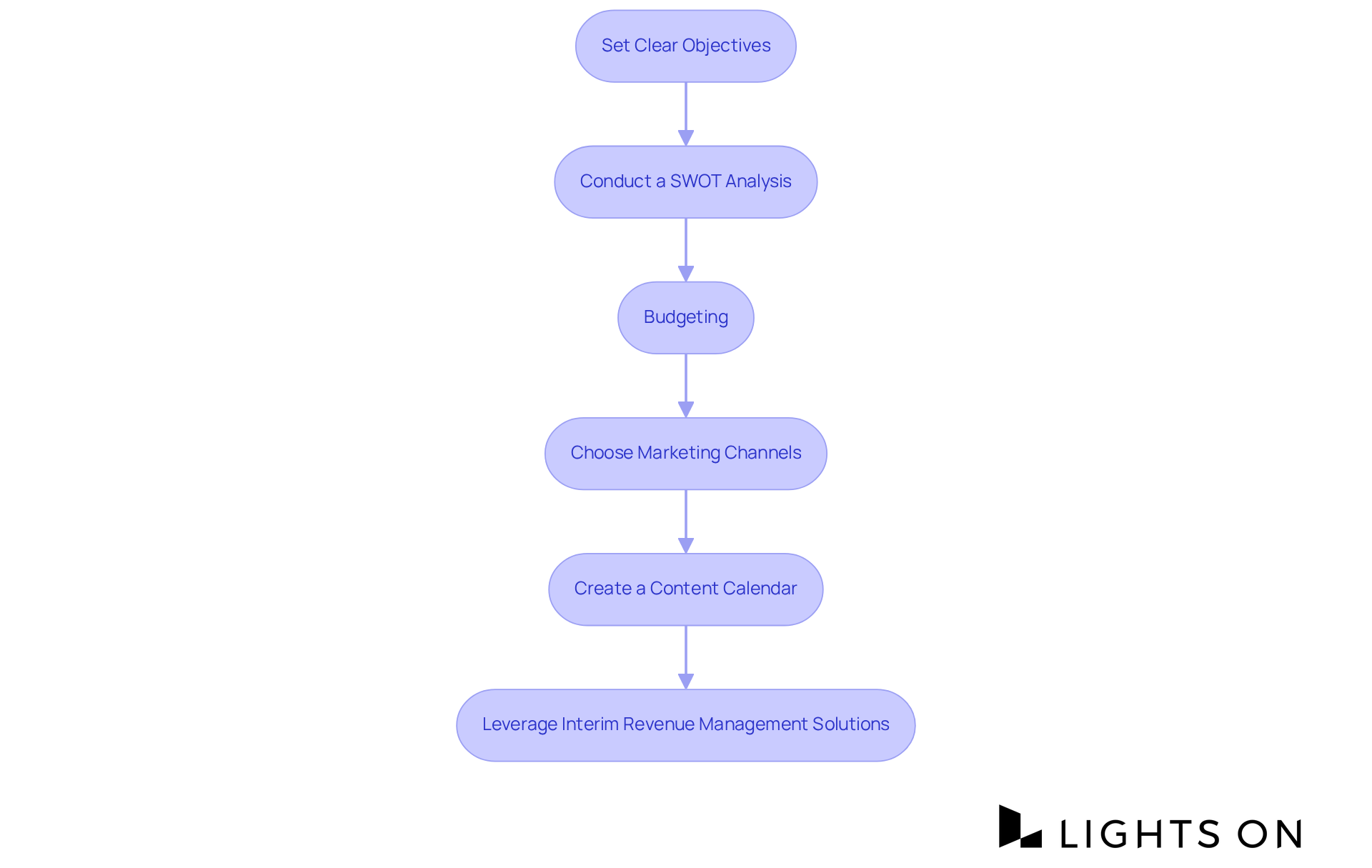
Set Clear Objectives: Define your marketing goals with precision. This could encompass increasing occupancy rates, enhancing brand awareness, or boosting direct bookings. Establishing clear objectives is the foundation of your strategy for marketing in the hotel industry.
Conduct a SWOT Analysis: Undertake a thorough analysis of your hotel’s Strengths, Weaknesses, Opportunities, and Threats. This critical assessment of marketing in the hotel industry will illuminate your current position and highlight areas ripe for improvement, enabling informed decision-making.
Budgeting: Allocate a strategic budget for your promotional activities. Account for costs associated with digital advertising, social media management, and website enhancements. Ensure that your budget is not only adequate but also aligns seamlessly with your objectives.
Choose Marketing Channels: Identify the most effective channels to reach your target audience. Consider options such as social media, email promotions, search engine optimization (SEO), and pay-per-click (PPC) advertising. Selecting the right channels is crucial for maximizing your reach and impact in marketing in the hotel industry.
Create a Content Calendar: Develop a content calendar to plan your promotional content in advance. This tool ensures consistent messaging and allows for alignment with seasonal trends or events, enhancing your marketing effectiveness.
Leverage Interim Revenue Management Solutions: In times of transition within your revenue management team, consider utilizing Lights On's interim revenue management services. This approach guarantees the ongoing enhancement of your pricing and inventory strategies, allowing you to maintain momentum in your promotional efforts while you seek a permanent solution. Furthermore, efficient temporary revenue management can enrich your promotional strategies by providing data-informed insights that guide advertising efforts and pricing modifications, ultimately resulting in increased occupancy and revenue.
By crafting a detailed plan, you establish a clear pathway to direct your marketing in the hotel industry activities. It is crucial to recognize that while the foundational context of accommodation promotion strategies is vital, the emphasis on incorporating temporary revenue management is essential for ensuring continuous success.
To enhance your hotel's visibility, consider the following marketing tactics:
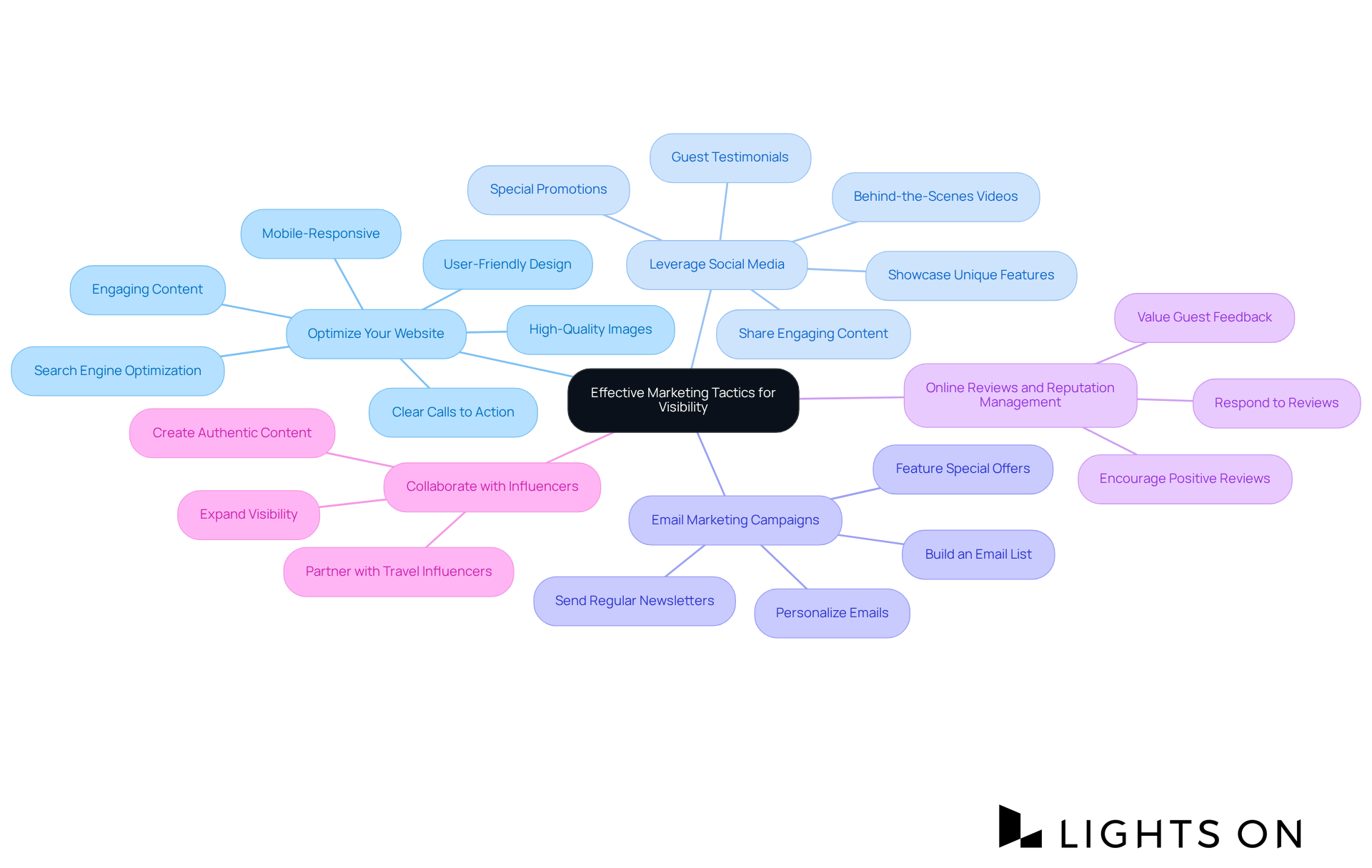
Optimize Your Website: Ensure your website is user-friendly, mobile-responsive, and optimized for search engines. High-quality images, engaging content, and clear calls to action are essential components that will attract and retain visitors.
Leverage Social Media: Utilize platforms like Instagram and Facebook to showcase your establishment’s unique features. Sharing engaging content, such as behind-the-scenes videos, guest testimonials, and special promotions, can significantly boost your online presence.
Email Marketing Campaigns: Build an email list and send regular newsletters featuring special offers, events, and updates. Personalizing your emails will enhance engagement and keep your audience informed about what your hotel has to offer.
Online Reviews and Reputation Management: Encourage satisfied guests to leave positive reviews on platforms like TripAdvisor and Google. Responding to reviews, both positive and negative, demonstrates that you value guest feedback and are committed to improving their experience.
Collaborate with Influencers: Partnering with travel influencers allows you to reach a broader audience. These influencers can create authentic content that highlights your establishment to their followers, expanding your visibility.
By implementing these tactics, you will significantly enhance your establishment's visibility and attract more guests through improved marketing in the hotel industry.
To effectively measure and optimize your marketing performance while enhancing bookings, follow these strategic steps:
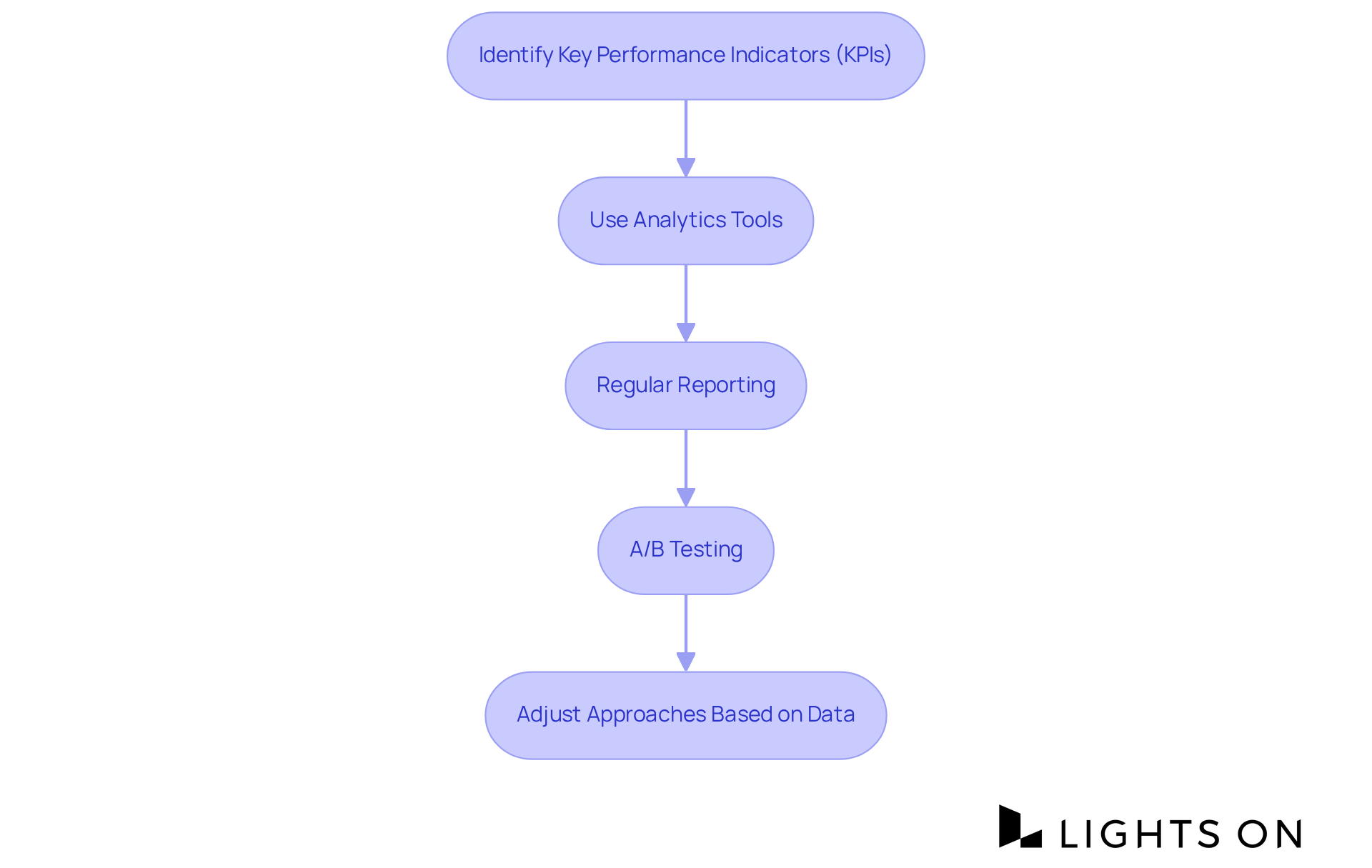
Identify Key Performance Indicators (KPIs): Begin by determining the metrics that align most closely with your objectives. Typical KPIs for marketing in the hotel industry include website traffic, conversion rates, and social media engagement. Focus specifically on the metrics that have a direct impact on reservations.
Use Analytics Tools: Implement tools like Google Analytics to meticulously track your website's performance. Observe traffic sources, user behavior, and conversion rates to glean insights into your promotional effectiveness. It is crucial to identify which channels are driving the most reservations.
Regular Reporting: Establish a routine for creating reports that analyze your promotional performance. This could be on a weekly, monthly, or quarterly basis, tailored to your needs. Utilize these reports to identify trends and pinpoint areas for enhancement, particularly in strategies that yield higher reservations.
A/B Testing: Engage in experimentation with various promotional tactics to ascertain what proves most effective. For example, test different email subject lines or social media ad formats to determine which options generate the highest engagement and conversion rates, ultimately leading to increased reservations.
Adjust Approaches Based on Data: Leverage the insights gained from your analysis to refine your promotional methods. If certain strategies fail to deliver results, consider reallocating resources toward more effective avenues that have shown an uptick in reservations.
By systematically measuring and optimizing your marketing performance, particularly in the hotel industry, with an emphasis on enhancing bookings, you will ensure that your strategies remain not only effective but also closely aligned with your overarching business goals.
Mastering marketing in the hotel industry is not merely beneficial; it is essential. A comprehensive understanding of fundamental concepts, strategic planning, and effective implementation of tactics is crucial for success. By focusing on the target audience, recognizing market trends, and establishing a strong digital presence, hotels can craft compelling promotional strategies that resonate with potential guests. This foundational knowledge acts as a springboard for developing a robust marketing strategy that not only attracts visitors but also fosters long-term loyalty.
Key elements such as:
are pivotal in enhancing visibility and driving bookings. Implementing effective tactics—including optimizing websites, engaging on social media, and managing online reviews—can significantly elevate a hotel's profile in a competitive landscape. Furthermore, measuring performance through KPIs and analytics is crucial for ongoing refinement and success in marketing efforts.
Ultimately, the significance of a well-crafted hotel marketing strategy cannot be overstated. As the industry evolves, staying informed about current trends and best practices empowers hotel operators to adapt and thrive. Embracing these strategies not only enhances visibility but also positions hotels to meet the ever-changing expectations of guests, ultimately leading to increased occupancy and revenue. Investing in a comprehensive marketing approach is essential for any hotel looking to succeed in today's dynamic environment.
What is the first step in hotel marketing?
The first step in hotel marketing is to identify your target audience by considering demographics such as age, income, and travel preferences.
Why is it important to stay updated on market trends in hotel marketing?
Staying updated on market trends is crucial because it helps you understand guest expectations, such as the rise of eco-tourism and the demand for personalized experiences, allowing you to adapt your promotional strategies accordingly.
How can a hotel distinguish itself from competitors?
A hotel can distinguish itself from competitors by clearly defining its brand positioning, which may include unique amenities, exceptional service, or a prime location.
What role does digital presence play in hotel marketing?
Digital presence is significant in hotel marketing as most travelers research accommodations online before making reservations. Having an engaging website and active social media profiles is essential to reflect your brand's identity.
How do these fundamental concepts contribute to hotel marketing?
Understanding these fundamental concepts establishes a strong base for your promotional plan, which is vital for effective marketing that attracts and retains guests in the hotel industry.
Transform your group booking strategies with Lights On and watch your occupancy soar.


.svg)

