Navigating the complex landscape of hotel pricing can feel overwhelming. As the industry evolves with advanced technology and shifting market dynamics, selecting the right hotel pricing software becomes a strategic decision. This choice is not just about convenience; it can significantly enhance revenue management and operational efficiency. With a plethora of options available, how can hoteliers ensure they choose a solution that aligns with their specific needs and maximizes profitability?
This guide delves into essential steps for optimizing hotel pricing software. By empowering hoteliers to make informed decisions, we aim to drive success in a competitive environment. Understanding the intricacies of pricing software is crucial for those looking to elevate their operations and boost their bottom line. Let’s explore how to navigate this vital aspect of hospitality management effectively.
When selecting hotel pricing software, it’s crucial to consider several key features that can significantly impact your hotel revenue management strategy.
Dynamic Pricing Capabilities: The software must automatically adjust room rates based on real-time market conditions, competitor pricing, and demand fluctuations. This capability is essential; in fact, 76% of hotel executives believe that AI is fundamentally changing the industry, enabling more effective revenue optimization. As Jordan M. Hollander, Co-Founder of HotelTechReport, emphasizes, 'Investing in hotel pricing software that includes dynamic pricing will help you strike the perfect balance between occupancy and rate optimization, ultimately driving up your RevPAR.'
User-Friendly Interface: A simple, intuitive dashboard is vital for ease of use, particularly for staff without extensive technical training. Statistics reveal that user-friendly interfaces greatly enhance adoption rates; indeed, 82% of customers believe that well-implemented technologies do not harm the human experience, underscoring the importance of ease of use for successful integration.
Integration with Other Systems: Ensure the hotel pricing software can seamlessly integrate with your existing property management system (PMS) and other tools to streamline operations. A well-integrated system reduces errors and improves efficiency, which is crucial in the fast-paced hospitality environment.
Data Analytics and Reporting: Look for robust analytics capabilities that provide insights into cost performance, occupancy rates, and revenue forecasts. Effective data analysis transforms raw data into actionable insights, empowering hotels to make informed financial decisions.
Competitor Rate Monitoring: The ability to monitor competitor costs in real-time is essential for making informed pricing decisions. This feature allows hotels to remain competitive and adaptable to market changes, ultimately enhancing income per available room (RevPAR).
Adjustable Cost Guidelines: The application should enable you to establish specific cost rules based on various factors like seasonality, events, and occupancy levels. This flexibility is crucial for maximizing profit opportunities and adapting to evolving market conditions.
By focusing on these aspects, you can ensure that the hotel pricing software you choose will effectively support your financial strategy and enhance your revenue management efforts.

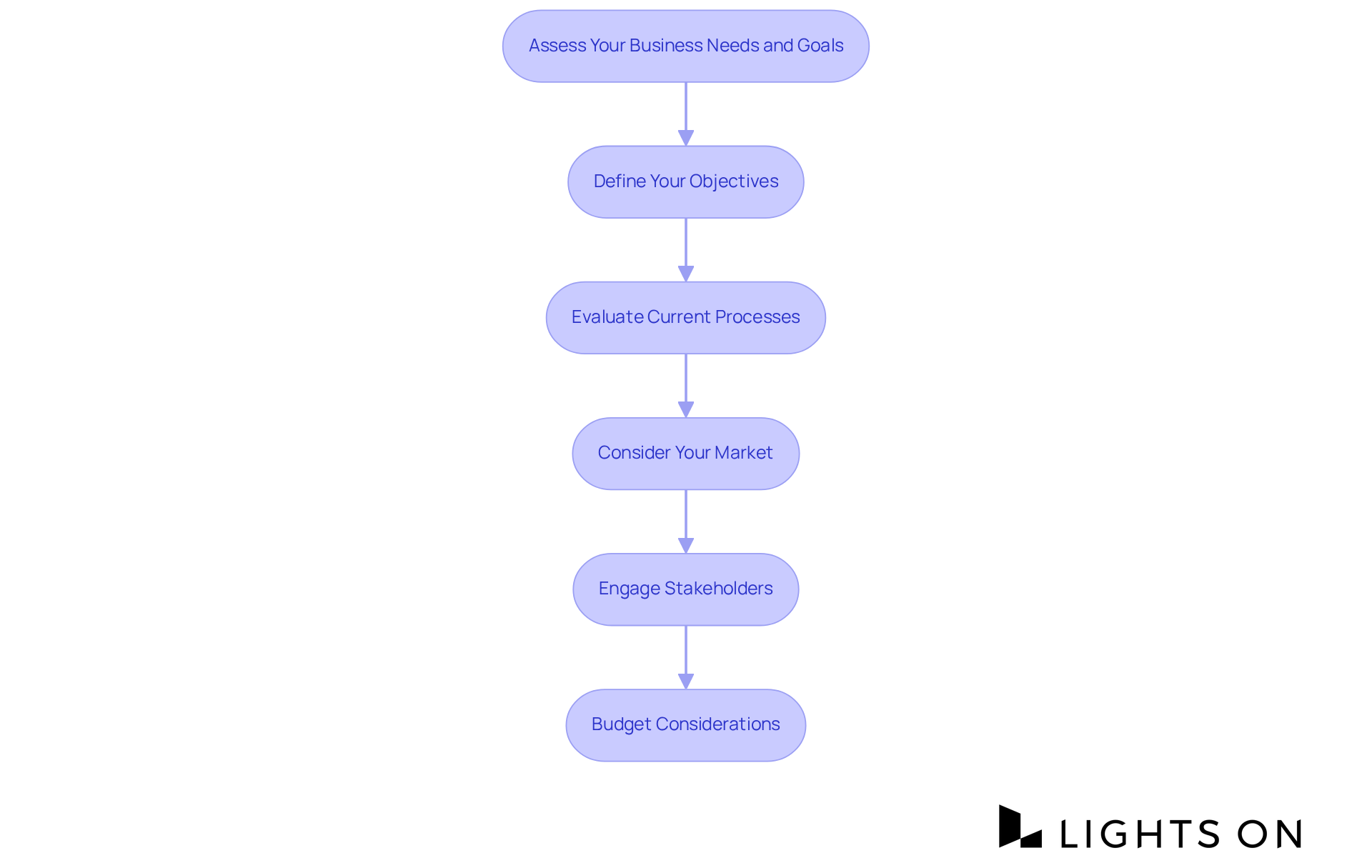
To effectively assess your business needs and goals in enhancing bookings and revenue management, follow these essential steps:
Define Your Objectives: Start by clearly identifying what you aim to achieve with the pricing application. Common objectives include increasing occupancy rates, maximizing income, and enhancing competitive positioning. By setting clear, quantifiable objectives, you’ll direct your program selection process and ensure alignment with your marketing strategies.
Evaluate Current Processes: Conduct a thorough analysis of your existing cost strategies and revenue management practices. Identify any gaps or inefficiencies that the new program could address, such as outdated pricing models or ineffective distribution channels. Consider how these processes can be improved through targeted marketing efforts.
Consider Your Market: Gain a comprehensive understanding of your local market dynamics, including seasonal trends, competitor behaviors, and customer preferences. This context is crucial for tailoring your software requirements to meet market demands effectively and for developing marketing strategies that resonate with your target audience.
Engage Stakeholders: Involve key team members, such as revenue managers and front desk staff, in the assessment process. Gathering diverse perspectives ensures that the chosen solution meets the needs of all departments and enhances overall operational efficiency. Encourage discussions on how marketing strategies can be integrated into the pricing assessment.
Budget Considerations: Determine your budget for software acquisition and ongoing costs. Ensure that the chosen solution not only aligns with your financial constraints but also offers a substantial return on investment by enhancing income oversight abilities and supporting your marketing efforts.
By thoroughly assessing these factors and integrating effective marketing strategies, you can make a more informed decision that aligns with your hotel's strategic vision and enhances your hotel pricing software as well as your revenue management efforts.
To effectively compare software options, follow these guidelines:
Create a Comparison Matrix: Start by listing potential application solutions alongside their key features. This visual representation allows you to easily spot differences and similarities, providing a clear overview of what each option offers. Such clarity facilitates informed decision-making.
Read Reviews and Testimonials: Dive into user experiences and feedback on platforms like G2 and Capterra. Did you know that a highly satisfied customer can generate 14 times more profit than a dissatisfied one? This statistic underscores the importance of gauging satisfaction levels and identifying common issues.
Request Demos: Arrange presentations with tool providers to see the applications in action. This hands-on experience not only allows you to observe usability but also gives you the chance to ask specific questions, ensuring the application meets your operational needs.
Evaluate Customer Support: Assess the level of customer support each vendor offers. Look for comprehensive training resources, technical assistance, and prompt response times. Remember, as Michael LeBoeuf stated, "A satisfied customer is the best business strategy of all." This highlights the critical role of customer satisfaction in your evaluation.
Consider Scalability: Ensure that the system can grow with your business. Scalability is vital for adapting to future requirements as your hotel expands or adjusts to market shifts, helping you avoid the hassle of frequent system updates.
Check for Integration Capabilities: Confirm that the application can seamlessly integrate with your existing systems, such as PMS and booking engines. This integration is crucial for maintaining operational efficiency and enhancing the guest experience.
By conducting a thorough analysis using these steps, you can confidently select hotel pricing software that meets your hotel's cost and income needs, ultimately boosting profitability and guest satisfaction.

To effectively implement and optimize your hotel pricing software, follow these essential steps:
Develop an Implementation Plan: Start by crafting a detailed timeline that outlines each phase of the implementation process. Assign specific responsibilities to team members to ensure accountability. Consider leveraging Lights On as your strategic partner to assist with outstanding revenue management projects, allowing you to focus on high-level strategy.
Train Your Team: Conduct comprehensive training sessions for all users to ensure they grasp the system's functionalities. Schedule ongoing training to accommodate updates and new features, enhancing staff proficiency. Did you know that effective training can boost application utilization by up to 30%? Lights On can also provide temporary management solutions during staffing changes to ensure ongoing optimization.
Establish Cost Regulations: Configure the application to align with your cost strategy. Incorporate dynamic value guidelines, seasonal modifications, and promotional rates to enhance profit potential. This is especially crucial with the upcoming U.S. 'drip pricing' law effective May 12, 2025, which mandates clear disclosure of all mandatory fees.
Monitor Performance: Regularly assess the program’s performance metrics, such as occupancy rates and revenue generated. This evaluation is vital for determining effectiveness and making informed adjustments.
Gather Feedback: Create an environment where team members can share their insights on the application's usability and functionality. This fosters continuous enhancement based on their experiences. Regular feedback sessions can significantly enhance user engagement and application effectiveness.
Stay Informed: Keep abreast of system upgrades and new functionalities that can further improve your cost strategy and overall income control. Engaging in training programs specifically designed for hotel cost management tool users can provide valuable insights into best practices and new features.
By diligently following these steps and considering Lights On as your partner in revenue management, you can ensure that your implementation of hotel pricing software is effective and continuously optimized for maximum impact.

Selecting and implementing the right hotel pricing software is crucial for enhancing revenue management and optimizing pricing strategies. By focusing on key features such as dynamic pricing capabilities, user-friendly interfaces, and robust data analytics, hotels can effectively respond to market changes and customer demands. A well-chosen software solution not only streamlines operations but also aligns with the hotel’s overarching business objectives.
In this article, we outlined essential steps for assessing business needs, comparing software options, and implementing chosen solutions. We emphasized the importance of defining clear objectives, engaging stakeholders, and ensuring seamless integration with existing systems. Furthermore, ongoing training and performance monitoring are vital to maximizing the software's impact on revenue generation.
Ultimately, investing in advanced hotel pricing software is not merely a technological upgrade; it is a strategic move that can significantly enhance profitability and guest satisfaction. By embracing these optimization strategies and staying informed about industry trends, hotel operators can ensure they remain competitive in an ever-evolving market landscape. Taking action now will pave the way for improved revenue management and a more resilient business model in the future.
What are the key features to consider when selecting hotel pricing software?
Key features include dynamic pricing capabilities, a user-friendly interface, integration with other systems, data analytics and reporting, competitor rate monitoring, and adjustable cost guidelines.
Why is dynamic pricing capability important in hotel pricing software?
Dynamic pricing capability allows the software to automatically adjust room rates based on real-time market conditions, competitor pricing, and demand fluctuations, which is essential for effective revenue optimization.
How does a user-friendly interface benefit hotel staff?
A user-friendly interface enhances ease of use, particularly for staff without extensive technical training, leading to higher adoption rates and successful integration of the software.
What is the significance of integration with other systems in hotel pricing software?
Integration with existing property management systems (PMS) and other tools streamlines operations, reduces errors, and improves efficiency in the fast-paced hospitality environment.
What role does data analytics and reporting play in hotel pricing software?
Robust analytics capabilities provide insights into cost performance, occupancy rates, and revenue forecasts, enabling hotels to make informed financial decisions based on actionable insights.
Why is competitor rate monitoring an essential feature?
Competitor rate monitoring allows hotels to track competitor costs in real-time, helping them make informed pricing decisions and remain competitive in the market.
What are adjustable cost guidelines, and why are they important?
Adjustable cost guidelines enable hotels to establish specific cost rules based on factors like seasonality, events, and occupancy levels, which is crucial for maximizing profit opportunities and adapting to market changes.
Transform your group booking strategies with Lights On and watch your occupancy soar.


.svg)

