The article examines how high-tech room innovations can significantly enhance guest satisfaction in hotels. It emphasizes that the implementation of advanced technologies, such as smart room systems and digital key solutions, not only elevates the visitor experience but also aligns with current market demands. Statistics reveal that a substantial percentage of travelers are willing to pay a premium for enhanced amenities, prioritizing accommodations that provide digital conveniences. This insight underscores the necessity for hotel owners to adapt to these evolving expectations in order to remain competitive.
Innovations in hotel room technology are reshaping the landscape of guest experiences, presenting a golden opportunity for accommodations to elevate satisfaction and drive revenue. As travelers increasingly seek personalized, efficient, and tech-savvy environments, hotels must adapt to meet these evolving expectations. However, hotel operators face significant challenges in implementing these high-tech solutions.
What strategies can they employ to not only enhance guest satisfaction but also optimize their operational strategies? This article explores these critical questions, offering insights and actionable recommendations for industry leaders.
Lights On leverages data-driven insights to align room innovations with . By examining and visitor preferences, hotels can implement that not only enhance visitor experiences but also optimize pricing strategies and occupancy rates.
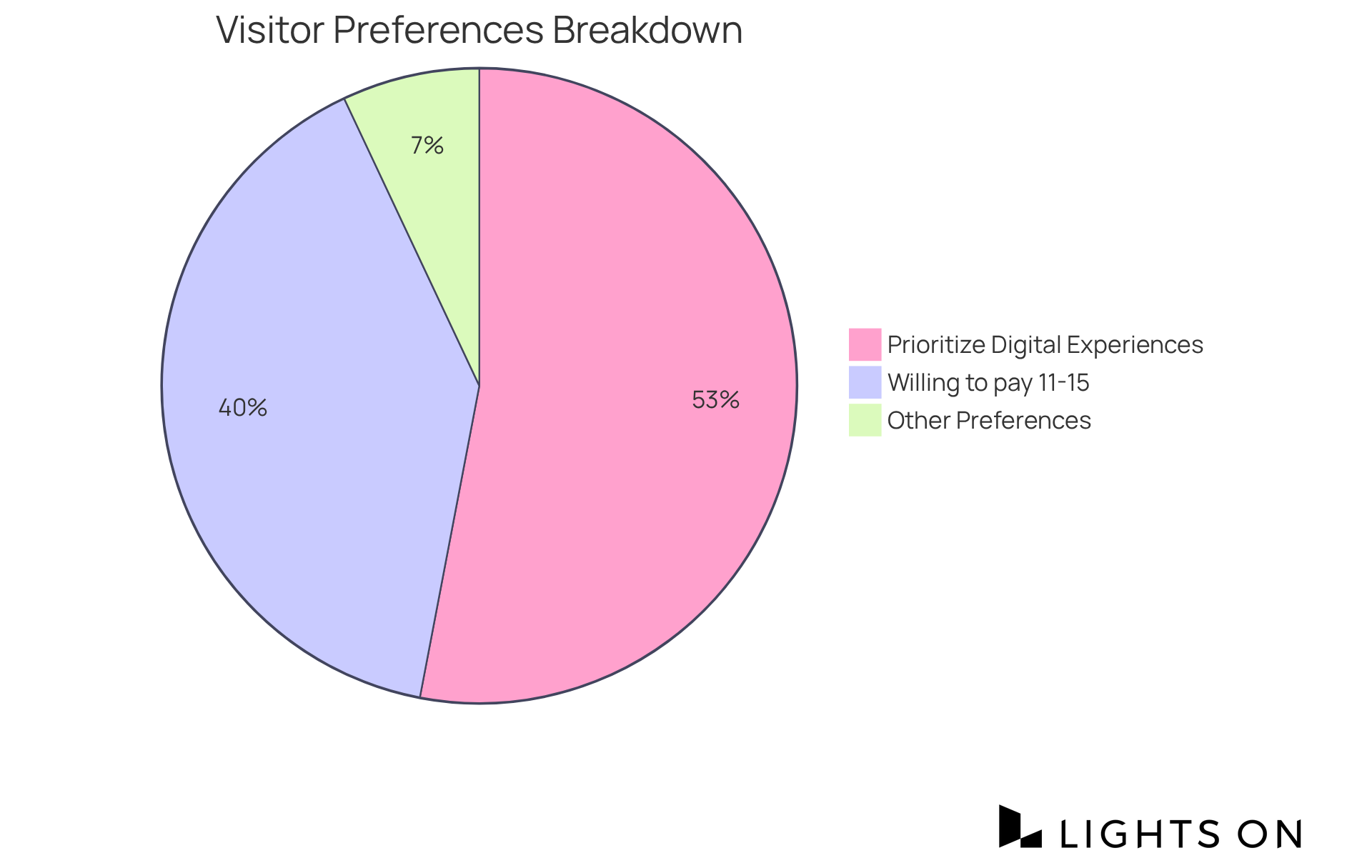
For example, the integration of has proven effective in attracting tech-savvy visitors, resulting in increased reservations and a notable rise in (RevPAR). Nearly 40% of visitors are willing to pay an additional 11% to 15% for enhancements that significantly elevate their experience, underscoring the .
Furthermore, 53% of travelers prioritize accommodations that provide , reflecting a robust market demand for advanced technological features. As hotels embrace these intelligent technologies in high tech rooms, they not only but also position themselves competitively in an evolving market.
Hotel owners should view these innovations as vital investments to meet guest expectations and stimulate revenue growth.
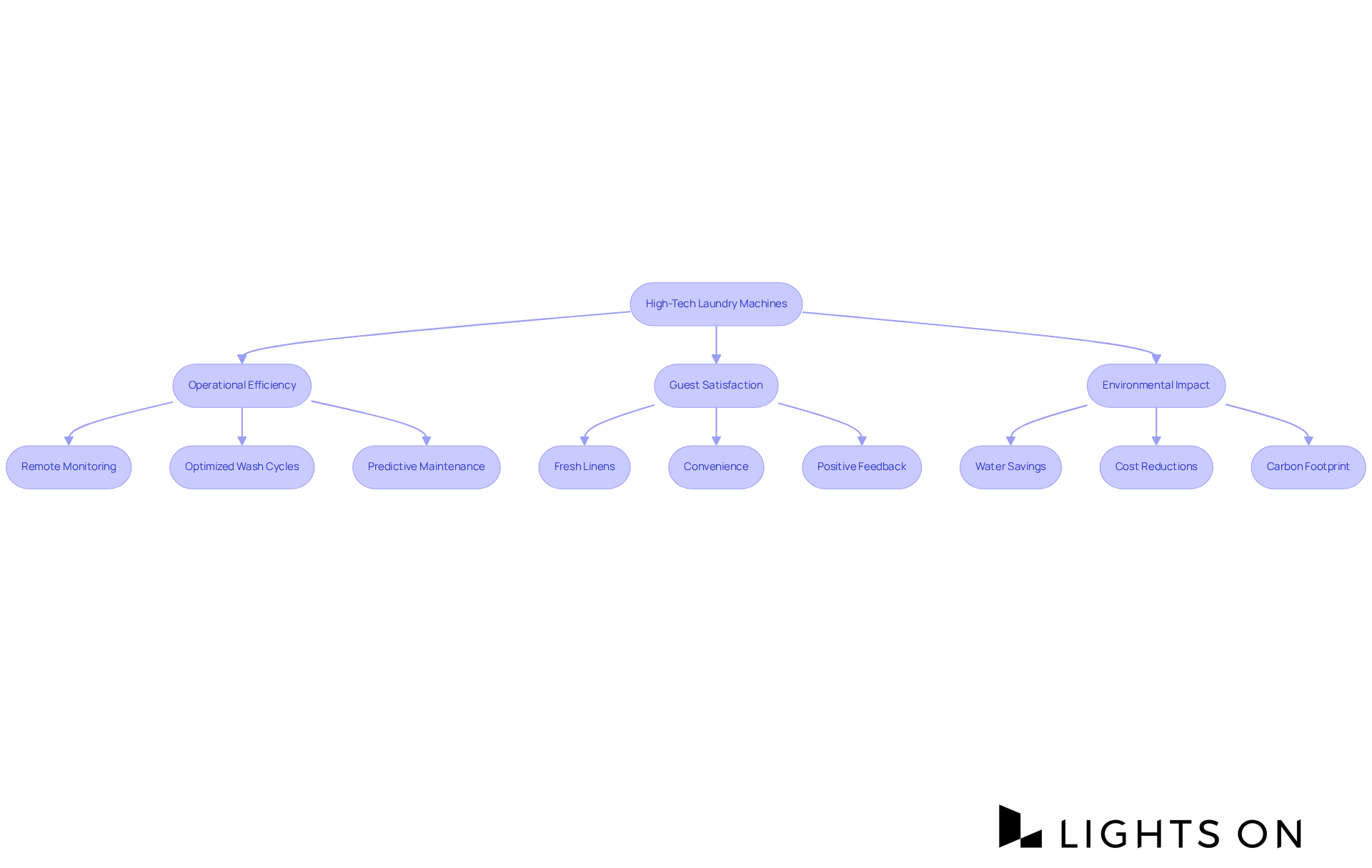
High-tech laundry machines equipped with IoT capabilities are revolutionizing operations by enabling remote monitoring and management of laundry processes. These advanced machines optimize wash cycles based on load size and fabric type, resulting in significant reductions in water and energy consumption. Revolutionary can decrease water usage by up to 80%, leading to substantial cost reductions and a smaller carbon footprint. For instance, a typical 100-room establishment can consume approximately 40,000 liters of water daily for laundry; however, with , this usage can be minimized.
By ensuring that linens are consistently fresh and readily accessible, accommodations can markedly enhance the . This improvement not only garners positive feedback but also encourages repeat business, as patrons highly value convenience and quality of service. In fact, 76% of travelers indicated a greater likelihood of reserving accommodations with green certifications, underscoring the significance of .
Experts in the hospitality industry emphasize that water-efficient laundry technology represents one of the most impactful sustainability investments available to accommodations today. Dr. Sarah Thompson, a sustainability consultant specializing in the hospitality sector, asserts that the combination of environmental benefits and that is hard to overlook. Furthermore, predictive maintenance enabled by IoT reduces machine downtimes, thereby enhancing operational efficiency. As hotels increasingly adopt these solutions in their , they not only improve operational efficiency but also align with the growing demand for eco-conscious practices among travelers. Moreover, integrating renewable energy sources and utilizing contactless payment systems in laundry services can enhance visitor experience and hygiene, further reinforcing the case for these innovations.
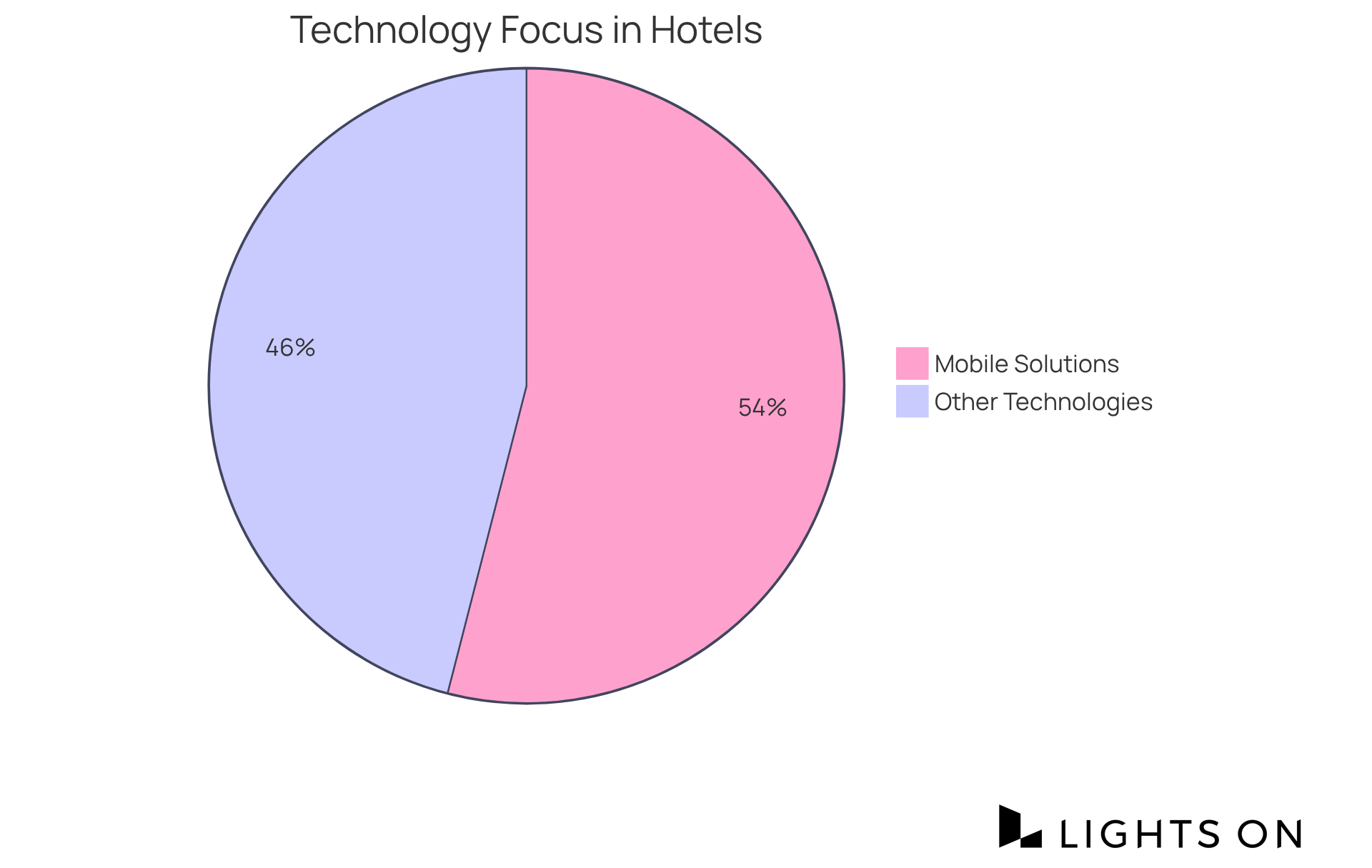
is revolutionizing the hospitality industry by enabling visitors to customize their environment through or voice-activated systems. This capability allows for modifications in lighting, temperature, and entertainment choices tailored to individual preferences, thereby promoting a more comfortable and enjoyable experience. Such customization significantly enhances visitor satisfaction.
In fact, a recent study found that:
As automation becomes more prevalent, industry experts emphasize its critical role in and improving service delivery. Jordan Hollander, CEO of HotelTechReport, states, ' with a high tech room that includes , IoT integration, and mobile device compatibility are gaining popularity among tech-savvy patrons.'
This highlights the importance of automation in enhancing the while enabling staff to focus on high-touch services, ultimately fostering loyalty and repeat visits. With the increasing adoption of , hotels are well-positioned to meet the evolving expectations of tech-savvy travelers, ensuring a competitive edge in the hospitality market.
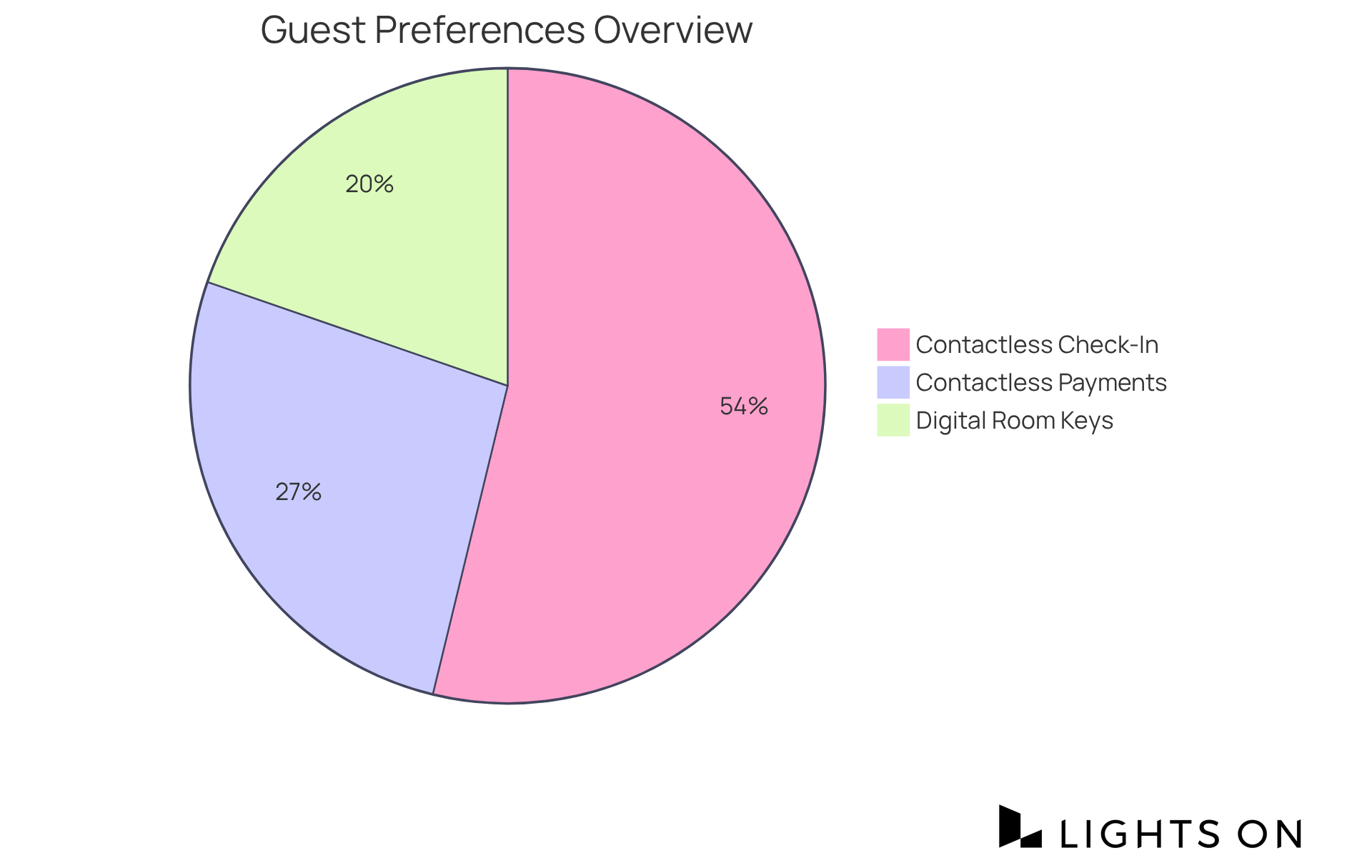
empower visitors to access their rooms via smartphones, eliminating the need for traditional key cards. This innovation significantly enhances security by mitigating the risk of lost keys and , allowing visitors to bypass the front desk entirely. In fact, studies reveal that:
The convenience of digital keys not only fosters a but also aligns with the industry's shift towards these advancements. As Rea Gierran highlights, establishments that adopt are better positioned to meet evolving guest expectations, ultimately enhancing satisfaction and operational efficiency. Gustaf Berman further emphasizes the importance of viewing innovations as a means to provide guests with choices, thereby enriching their overall experience. Additionally, the integration of digital keys bolsters accommodation security, ensuring that only authorized guests gain access to their rooms.
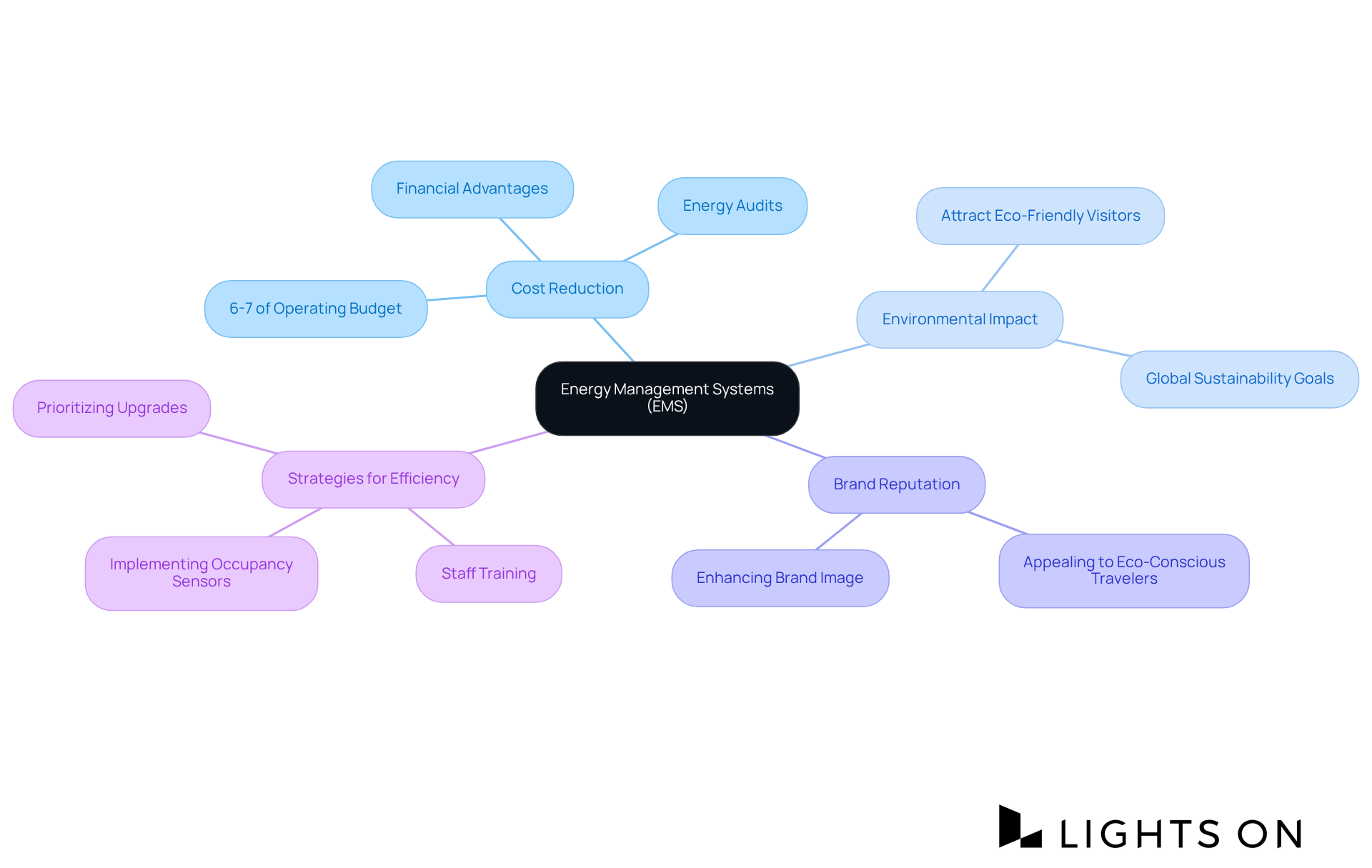
represent a pivotal advancement in effectively monitoring and controlling energy consumption across hospitality properties. By integrating occupancy sensors and smart thermostats, accommodations can significantly . This optimization leads not only to but also to a .
According to James Massey from the Facilities Management Community, energy costs can account for 6-7% of an accommodation's operating budget. This statistic underscores the potential for even small improvements to yield substantial financial advantages over time. Furthermore, as an increasing number of travelers prioritize , adopting EMS not only but also attracts environmentally conscious visitors.
In addition, and prioritizing upgrades, as highlighted in industry case studies, can further enhance energy efficiency. Staff training is equally essential; informed employees are more likely to support energy management efforts. This dual focus on cost efficiency and sustainability empowers accommodations to thrive in a competitive market while positively contributing to global sustainability goals.
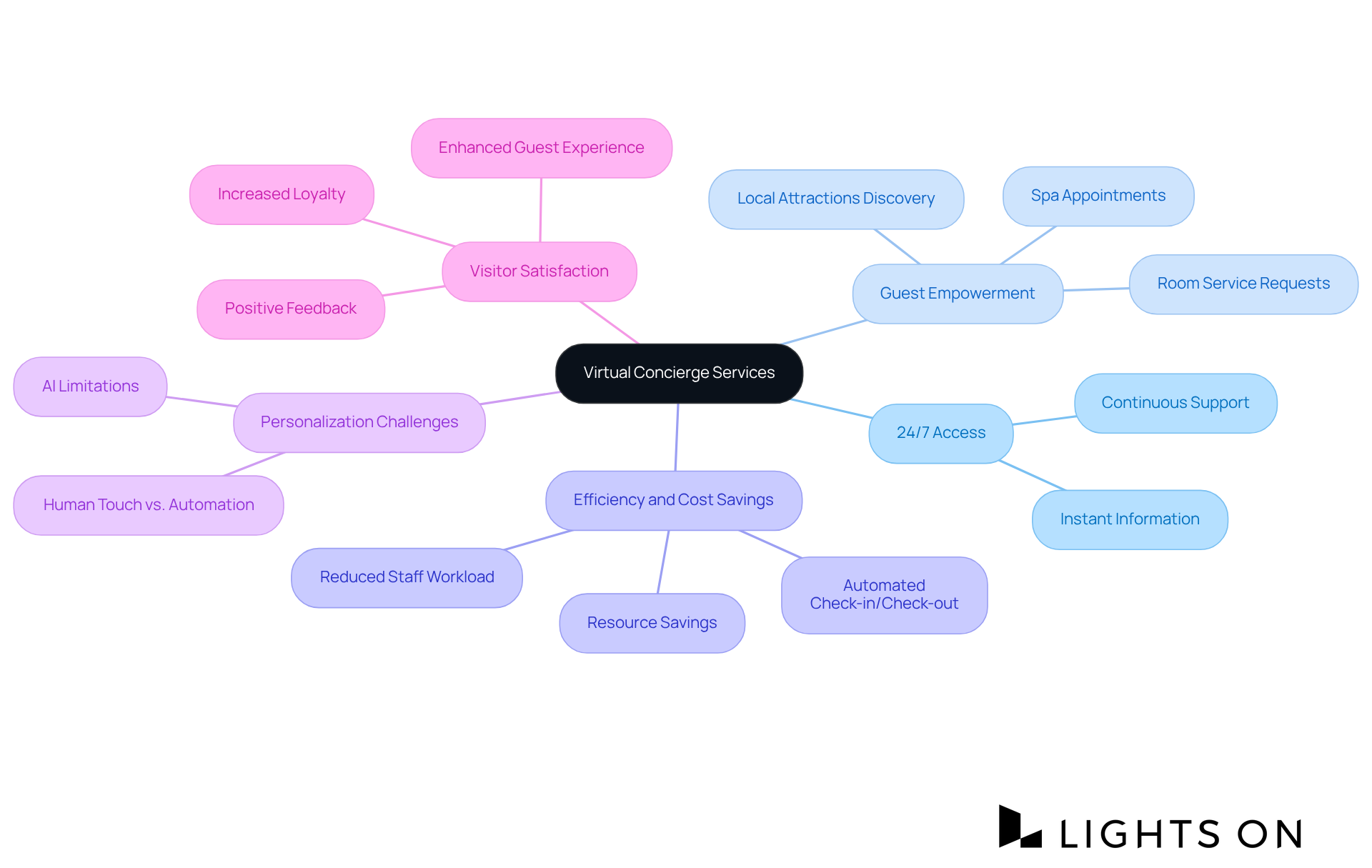
offer visitors immediate access to accommodation details and services through mobile applications or in-room devices, available 24/7. This innovative technology empowers guests to effortlessly request room service, schedule spa appointments, or discover local attractions without relying on staff intervention. Such convenience significantly , allowing staff to concentrate on more complex needs and elevate overall service quality. The automation of routine tasks not only boosts efficiency but also presents opportunities for by minimizing extensive staff involvement. can provide tailored suggestions based on visitor preferences, fostering a more . However, questions arise regarding whether these virtual services can match the level of personalization offered by human concierges. Nevertheless, numerous hotels report , increased loyalty, and positive feedback following the adoption of virtual concierge solutions. As one hospitality expert noted, 'Virtual concierge services are a game changer in the hospitality sector, enhancing the experience for visitors.
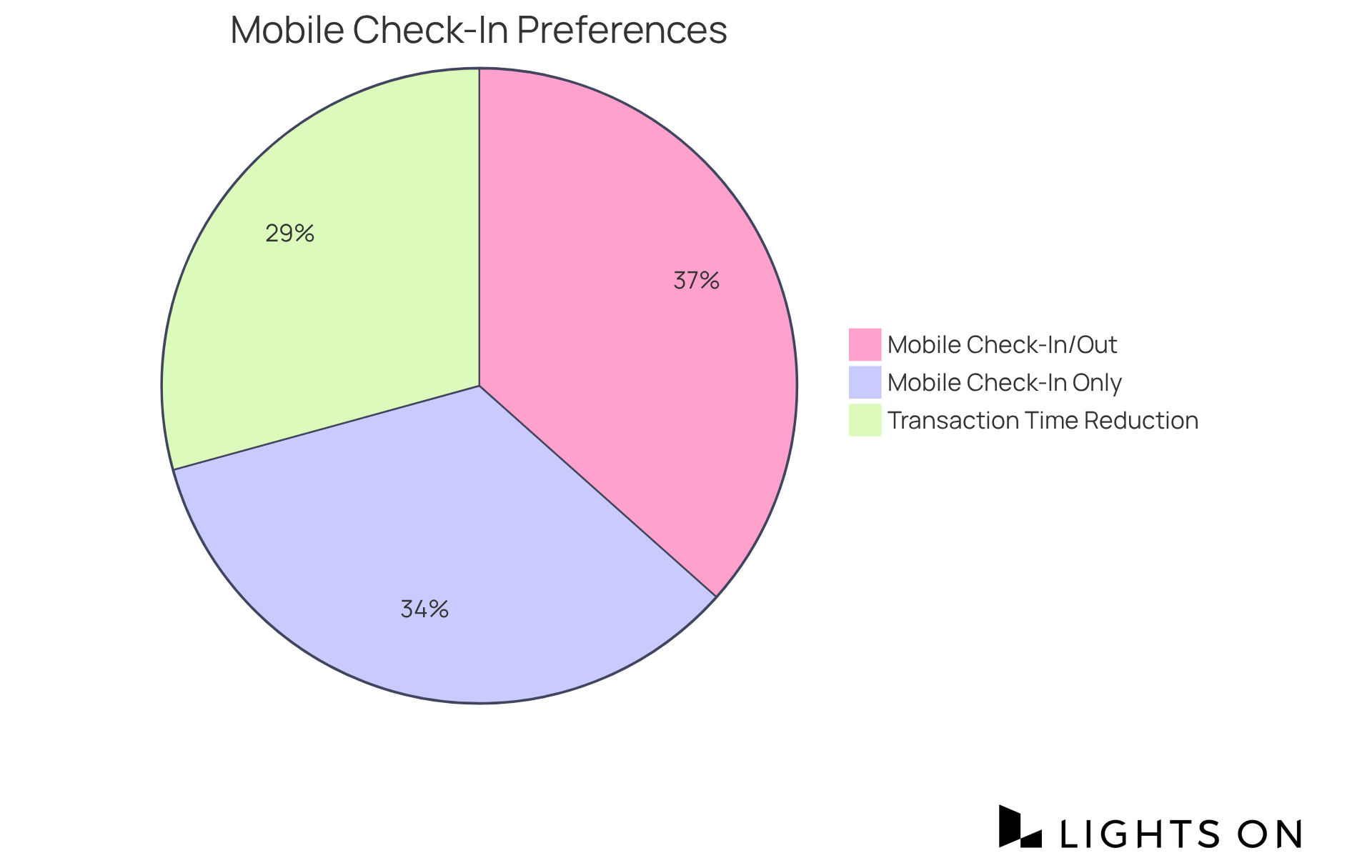
empower visitors to manage their arrivals and departures directly from their smartphones, drastically reducing wait times at the front desk. This technology not only enhances convenience but also significantly boosts for staff in the .
By streamlining these processes, establishments can create a more favorable first and last impression for visitors, which is crucial for fostering . In fact, 75% of travelers prefer mobile check-in and check-out features, reflecting a clear demand for smooth digital interactions. Furthermore, 70% of travelers favor for streamlined arrivals.
As industry leaders highlight, '75% of travelers favor accommodations providing mobile check-in and .' Incorporating such technologies can lead to and operational success, ultimately enhancing the overall quality of hospitality.
Moreover, mobile check-in reduces the workload for front desk staff, allowing them to focus on other services, and can lead to a 60% decrease in transaction times when utilizing . However, it is essential to balance these technological advancements with the human touch that defines .
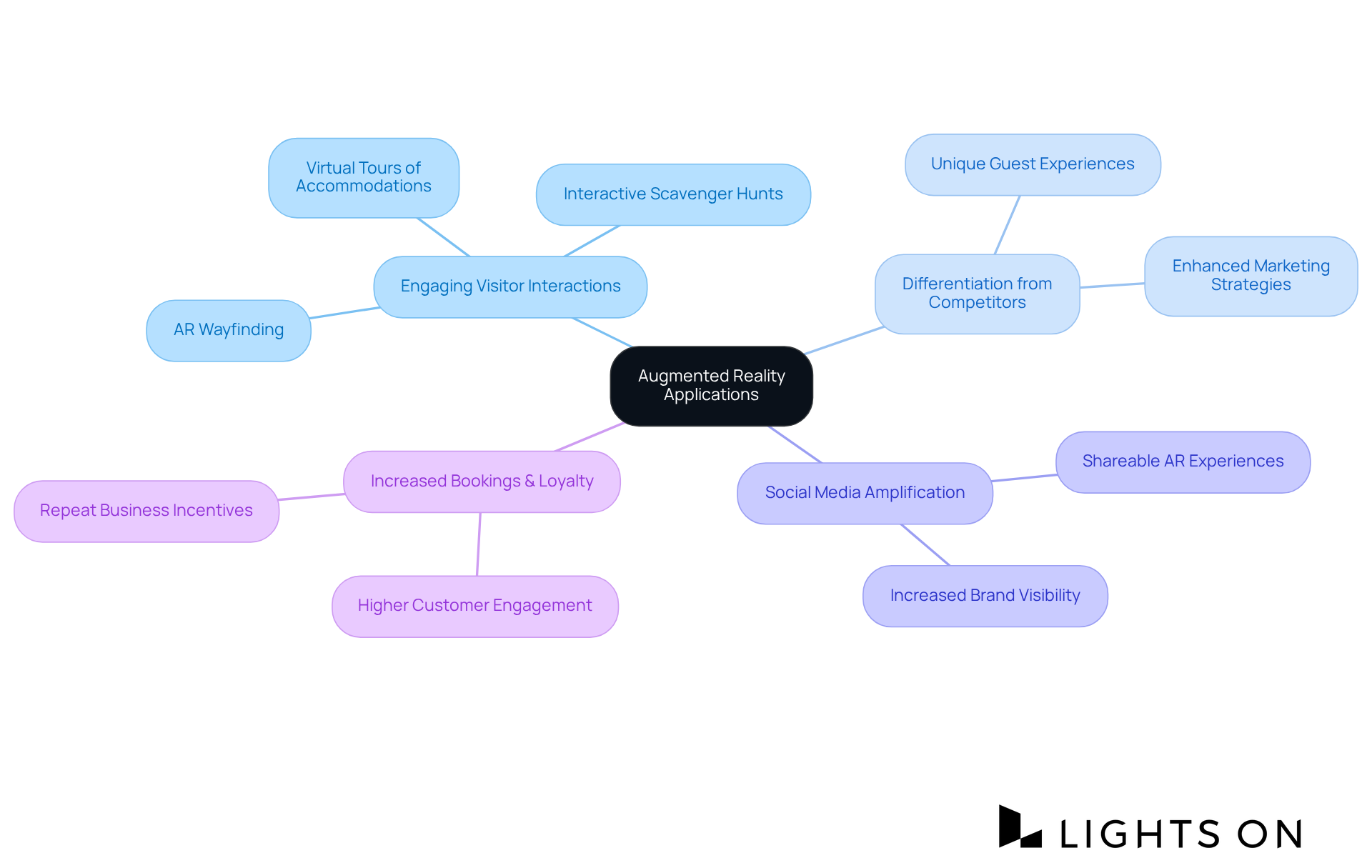
significantly enhance visitor interactions by providing , such as and nearby attractions. Imagine guests utilizing their smartphones to access AR content that enriches their stay, making it not only more engaging but also memorable. This innovative approach not only distinguishes accommodations from their competitors but also inspires visitors to share their experiences on social media, thereby amplifying . Furthermore, incorporating AR technology can drive , ultimately leading to .
Contactless payment systems empower patrons to settle their bills without physical interaction, significantly enhancing both safety and convenience. By integrating , accommodations can streamline transactions, reducing wait times at check-out and improving overall efficiency. This technology aligns with the rising expectation for ; 85% of visitors now anticipate features such as mobile key access and contactless check-in as standard offerings. Furthermore, 69% of visitors indicate that the their likelihood of returning to an accommodation, underscoring the importance of a .
Industry leaders assert that in a hyper-connected world, payment transcends being merely the final step; it is a pivotal moment that shapes and brand perception. Notably, contactless payments comprised approximately 25% of all card transactions in the U.S. in 2023, reflecting the increasing trend and acceptance among consumers. By embracing , hotels not only meet visitor demands but also enhance the overall experience, rendering stays more enjoyable and secure.

, such as automated ordering systems and delivery robots, significantly to patrons in a high tech room. These innovations not only reduce wait times but also guarantee order precision, directly leading to . Notably, studies reveal that 61% of customers report experiencing joy and fun when interacting with service robots, while only a small percentage express fear. This not only but also encourages guests to share their unique encounters, effectively promoting the brand. Furthermore, the integration of these technologies enables hotels to , allowing staff to concentrate on more complex customer interactions, thereby preserving the .
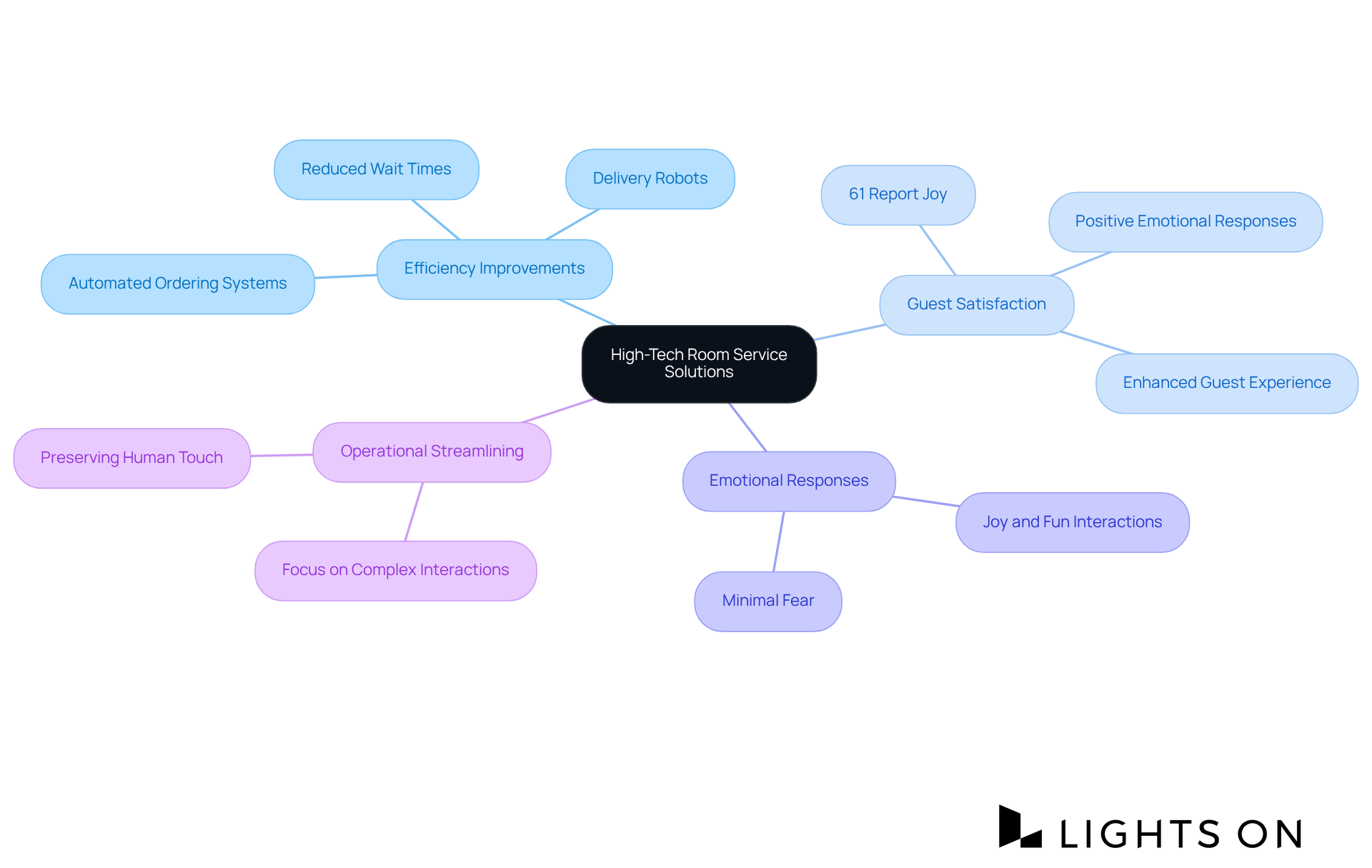
The integration of high-tech room innovations is revolutionizing the hospitality landscape, significantly enhancing guest satisfaction and driving revenue growth. By adopting advanced technologies, hotels can not only meet the evolving expectations of tech-savvy travelers but also create memorable experiences that foster loyalty and encourage repeat visits.
Key innovations such as:
are essential tools for improving guest experiences. These solutions streamline operations, promote sustainability, and cater to the growing demand for convenience and personalization in the hospitality sector. Evidence shows that guests are increasingly willing to pay for enhanced services, underscoring the economic benefits of investing in high-tech innovations.
Embracing these technological advancements is not merely a trend; it is a strategic imperative for hotels aiming to thrive in a competitive market. By prioritizing guest satisfaction through innovative solutions, accommodations can position themselves as leaders in the industry, attracting a loyal customer base while contributing positively to environmental goals. The future of hospitality lies in the seamless blend of technology and personalized service, making it essential for hotel owners to adapt and innovate continuously.
How does Lights On enhance room innovations in hotels?
Lights On leverages data-driven insights to align room innovations with revenue management strategies by examining market trends and visitor preferences, allowing hotels to implement high-tech room solutions that enhance visitor experiences and optimize pricing strategies and occupancy rates.
What impact do intelligent room systems have on hotel revenue?
The integration of intelligent room systems attracts tech-savvy visitors, leading to increased reservations and a notable rise in revenue per available room (RevPAR). Nearly 40% of visitors are willing to pay an additional 11% to 15% for enhancements that significantly elevate their experience.
What percentage of travelers prioritize accommodations with interactive digital experiences?
53% of travelers prioritize accommodations that provide interactive digital experiences, indicating a strong market demand for advanced technological features in hotels.
How do high-tech laundry machines improve hotel operations?
High-tech laundry machines equipped with IoT capabilities allow for remote monitoring and management, optimizing wash cycles based on load size and fabric type, leading to significant reductions in water and energy consumption.
What are the environmental benefits of using water-efficient laundry technology?
Revolutionary water-saving laundry methods can decrease water usage by up to 80%, resulting in substantial cost reductions and a smaller carbon footprint for hotels.
How does laundry technology affect guest satisfaction?
By ensuring linens are consistently fresh and readily accessible, high-tech laundry solutions enhance the visitor experience, garnering positive feedback and encouraging repeat business.
What is the significance of sustainability in guest satisfaction?
76% of travelers indicated a greater likelihood of reserving accommodations with green certifications, highlighting the importance of sustainability in enhancing guest satisfaction.
What role does predictive maintenance play in hotel operations?
Predictive maintenance enabled by IoT reduces machine downtimes, enhancing operational efficiency in hotel laundry operations.
How does smart room technology personalize guest experiences?
High-tech room technology allows visitors to customize their environment through mobile applications or voice-activated systems, enabling modifications in lighting, temperature, and entertainment choices tailored to individual preferences.
What trends are emerging in the adoption of mobile solutions for room customization?
A recent study found that 54% of accommodations are prioritizing mobile solutions, indicating a growing trend in the adoption of mobile apps for room customization.
What benefits does automation provide in the hospitality industry?
Automation streamlines operations, improves service delivery, enhances visitor involvement, and fosters loyalty and repeat visits by allowing staff to focus on high-touch services.
Transform your group booking strategies with Lights On and watch your occupancy soar.


.svg)

