In a fiercely competitive industry where travelers are becoming increasingly discerning, the art of hotel advertising has transformed into a dynamic fusion of creativity and strategy. This article presents 15 inspiring hotel advertisement examples that not only captivate potential guests but also highlight innovative marketing techniques tailored for 2025. Readers will discover how leading hotels harness unique experiences, digital solutions, and compelling storytelling to elevate their brand visibility and drive bookings.
What truly distinguishes these advertisements in a saturated market? How can other establishments replicate their success? Let's delve deeper into these questions.
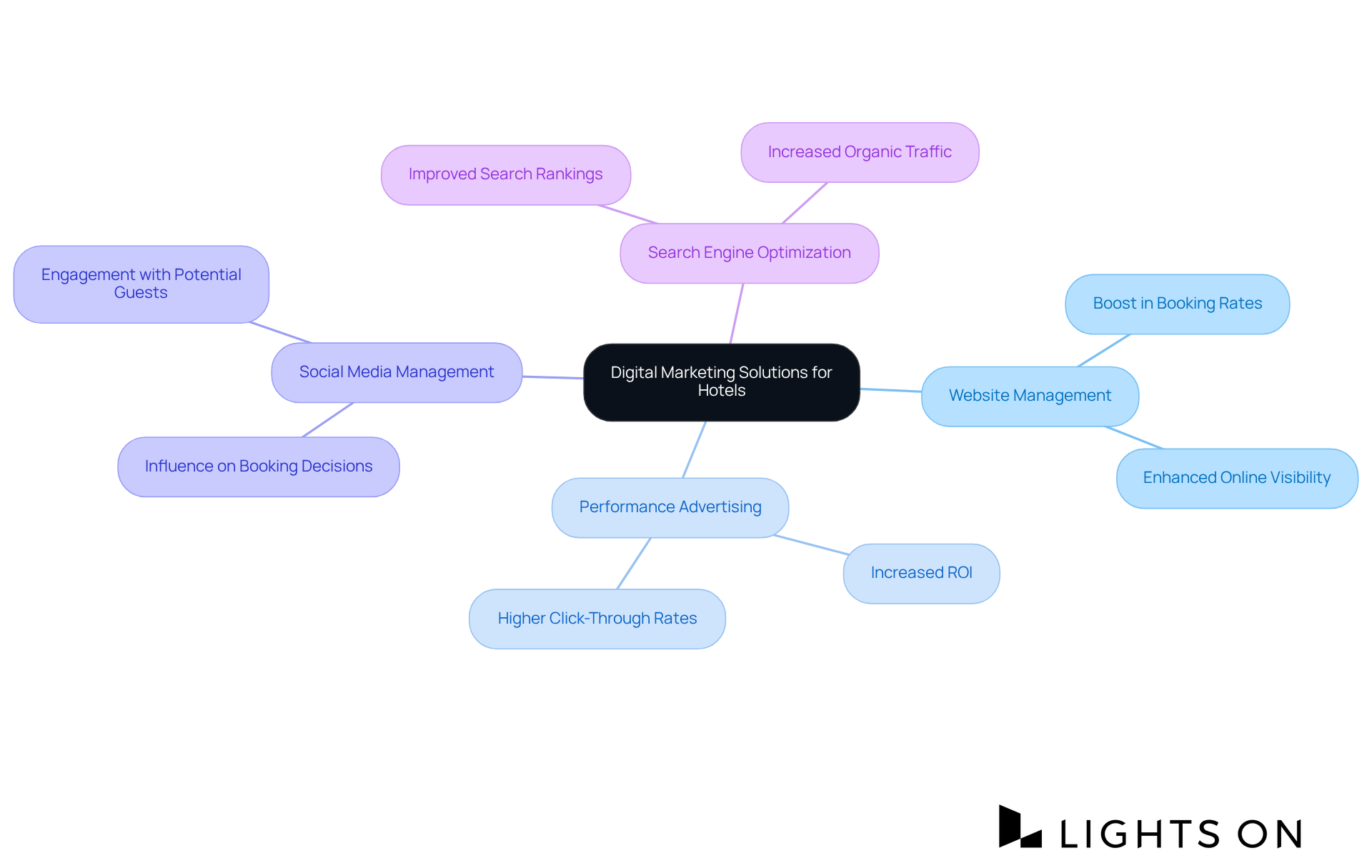
Lights On offers a comprehensive suite of digital promotion solutions tailored specifically for the hospitality sector. This includes website management, performance advertising, social media management, and search engine optimization. By leveraging data-driven strategies, Lights On enables accommodations to enhance their online visibility, optimize occupancy rates, and ultimately increase revenue.
In 2025, the impact of digital marketing on revenue management for accommodations is expected to be profound. Establishments are increasingly relying on effective website management to attract and retain visitors. Industry insights reveal that properties with strong recent scores can experience a 15-20% boost in booking-engine conversion rates. This statistic underscores the vital role of reputation management in driving bookings.
Moreover, a staggering 87% of travelers report that social media influences their accommodation booking decisions. This highlights the necessity for establishments to engage effectively across these platforms. By ensuring that each hotel can connect with potential clients at every stage of the customer journey - from initial awareness to conversion and retention - Lights On positions its clients for success in a competitive landscape.
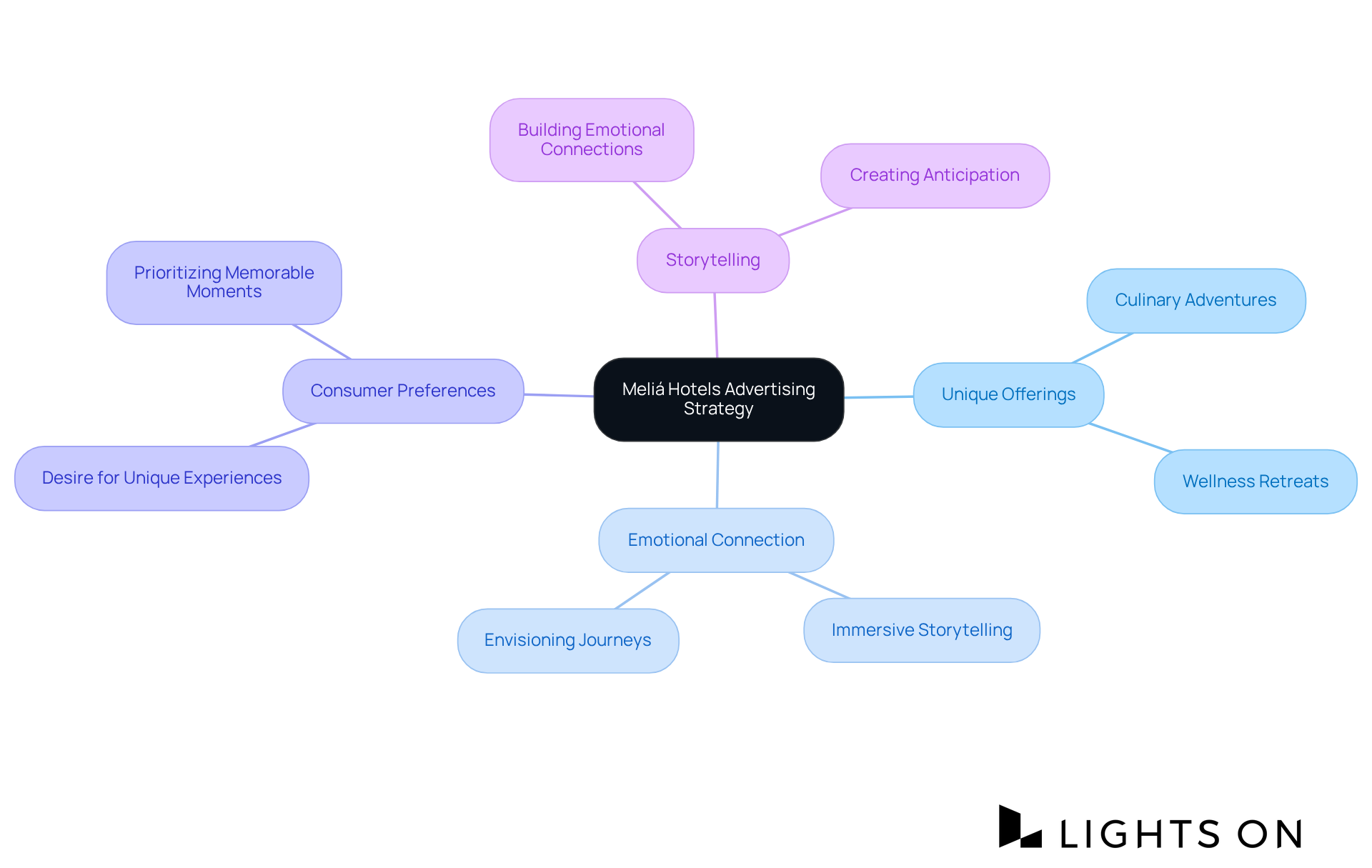
Meliá Hotels has strategically harnessed the power of distinctive moments in their hotel advertisement examples, effectively capturing the attention of potential guests. They showcase unique offerings, such as culinary adventures and wellness retreats, in their hotel advertisement examples by emphasizing local culture and personalized interactions. This approach not only builds interest but also generates desire among travelers seeking enriching experiences beyond mere accommodation, as seen in various hotel advertisement examples. Their hotel advertisement examples are characterized by immersive storytelling that cultivates an emotional connection with the destination, allowing prospective visitors to envision their journey long before they arrive.
Furthermore, this method resonates with consumer preferences, as travelers increasingly prioritize unforgettable moments that align with their personal interests and aspirations, a concept that can be illustrated through various hotel advertisement examples. Meliá's ability to create these connections positions them as a leader in the hospitality industry, inviting hotel and restaurant owners to reflect on their own marketing strategies. Are you ready to elevate your brand by embracing the power of storytelling and unique experiences?
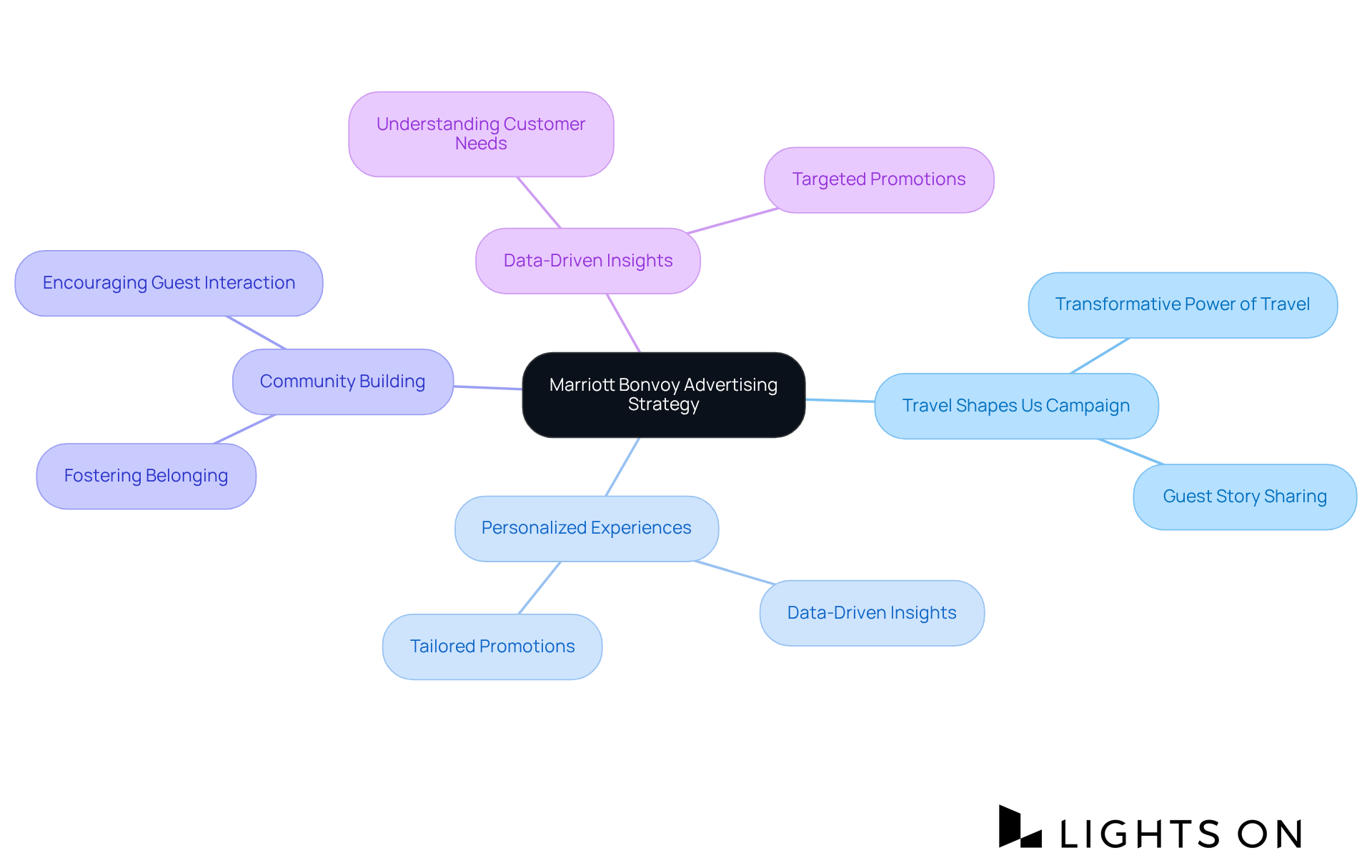
Marriott Bonvoy has strategically focused its advertising campaigns on building brand loyalty among its members. The 'Travel Shapes Us' campaign exemplifies this approach, showcasing the transformative power of travel and inviting guests to share their personal stories. By merging loyalty rewards with tailored promotions, Marriott effectively engages its audience, fostering a sense of belonging that encourages repeat bookings. This strategy not only enhances customer satisfaction but also drives long-term loyalty, positioning Marriott as a leader in the hospitality sector.
Furthermore, the integration of personalized experiences into their marketing efforts highlights the importance of understanding customer needs. By leveraging data-driven insights, Marriott can create targeted promotions that resonate with its members, ultimately leading to increased engagement and loyalty. This method serves as a compelling case study for hotel and restaurant owners seeking hotel advertisement examples to enhance their own marketing strategies.
In addition, Marriott's commitment to fostering a community among its members is evident in its campaigns. By encouraging guests to share their travel stories, the brand cultivates a narrative that resonates with potential customers, prompting them to consider their own travel experiences. This not only builds interest but also generates a desire for connection and belonging within the Marriott community.
Ultimately, Marriott Bonvoy's strategic advertising efforts serve as a powerful reminder of the impact that personalized marketing can have on customer loyalty. Hotel advertisement examples provide strategies that hotel and restaurant owners should take note of, as they offer actionable insights into enhancing guest engagement and satisfaction.
Skylodge Adventure Suites distinguishes itself in the hospitality industry with its innovative hotel advertisement examples, captivating adventure travelers by showcasing a truly unique accommodation high above the Sacred Valley in Peru. The hotel's promotion employs visually stunning visuals that highlight the thrill of staying in glass pods elevated 1,300 feet in the air. By emphasizing adventure and exclusivity, Skylodge effectively attracts travelers seeking exceptional experiences. This targeted promotional approach not only draws a niche audience but also significantly boosts bookings and enhances brand visibility.
Travel promotion specialists emphasize the importance of understanding and targeting specific demographics for success. Skylodge's strategy exemplifies how adventure-oriented promotion can resonate with consumers in search of distinctive accommodations. Case studies in adventure tourism promotion reveal that hotel advertisement examples, like Skylodge, can experience a substantial increase in bookings when their advertising aligns with the interests of adventure-seeking travelers. This underscores the profound impact of niche promotion in the hospitality industry, demonstrating that a focused approach can lead to remarkable results.

Canalta Lodge stands out in its ability to engage local communities through targeted advertising campaigns that highlight its dedication to local culture and events. By sponsoring community gatherings and promoting nearby attractions, Canalta builds robust relationships with both residents and travelers. This strategy not only enhances brand loyalty but also drives bookings from locals and visitors seeking authentic experiences.
Promoters assert that integrating local culture into hospitality strategies is essential for 2025, as it resonates with travelers looking for genuine connections. For instance, leveraging social media platforms to share stories about local events and partnerships can significantly boost engagement. Case studies reveal that hotel advertisement examples utilizing local sponsorships experience increased visibility and engagement, making them a vital component of successful promotional strategies. In fact, paid social ads targeted locally can lead to a 22% increase in room nights booked, showcasing the tangible benefits of these approaches.
Moreover, with 81% of travelers often reading reviews before making a booking, Canalta Lodge's emphasis on community engagement and a positive local reputation is crucial for driving bookings. By positioning itself as a community hub and actively participating in local events, Canalta Lodge effectively attracts visitors who value immersive and culturally rich experiences.

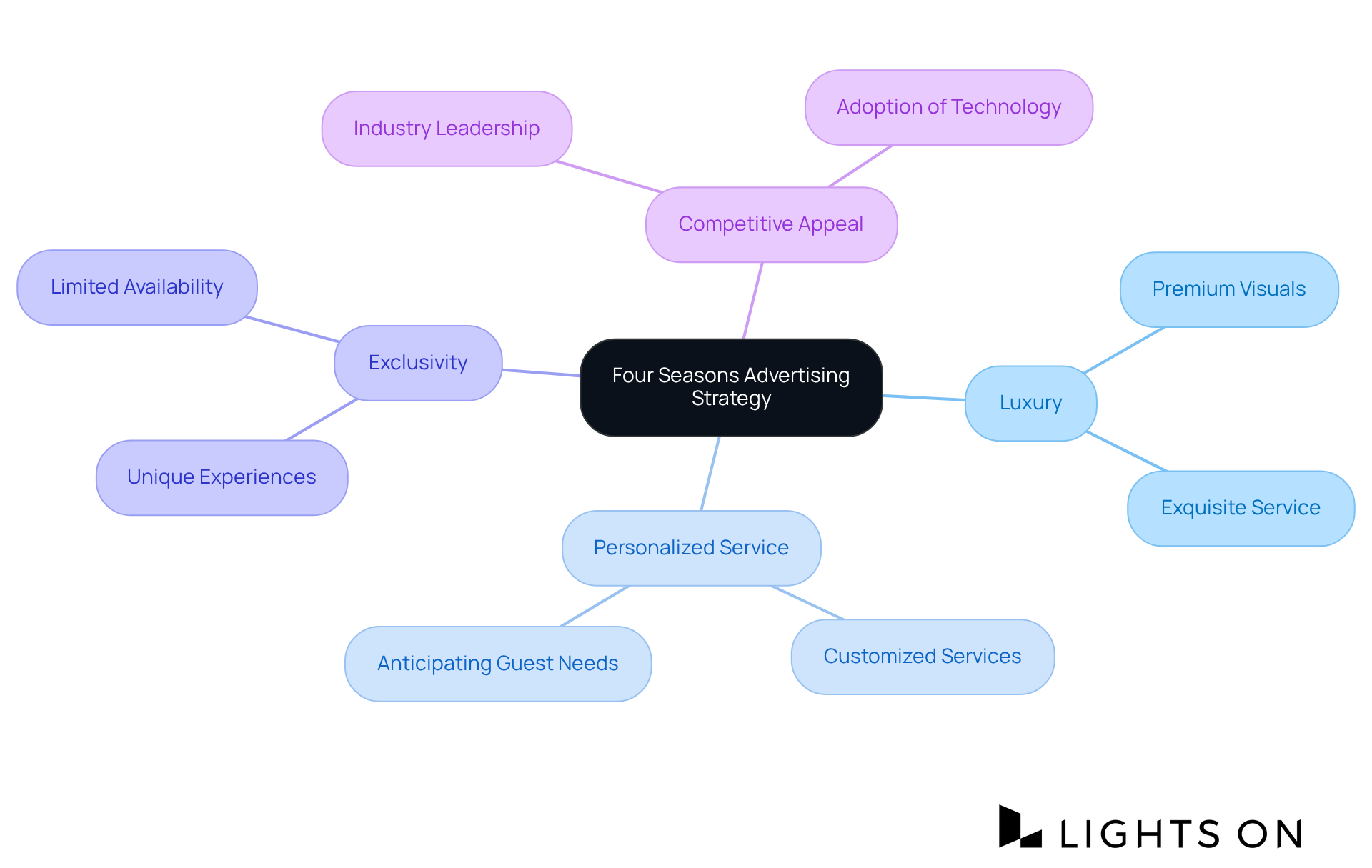
Four Seasons elevates its brand through exclusive hotel advertisement examples that highlight luxury and personalized service. This strategic approach not only captures attention but also builds interest among discerning travelers by utilizing effective hotel advertisement examples. Their marketing frequently highlights hotel advertisement examples that feature premium visuals and narratives showcasing distinctive opportunities available at their properties, effectively communicating the brand's commitment to luxury.
Four Seasons attracts wealthy travelers seeking extraordinary stays, as showcased in its hotel advertisement examples that emphasize a sense of exclusivity and customized services. This commitment enhances its appeal in the competitive hospitality market, prompting industry leaders to reflect on how they can adopt similar strategies.
The Tokyo Palace Hotel stands as a prime example of how integrating cultural elements into advertising can significantly enhance guest appeal. By showcasing Japan's rich heritage through authentic activities like traditional tea ceremonies and local culinary experiences, the hotel effectively attracts travelers who seek cultural immersion. This strategy not only distinguishes the Tokyo Palace from its competitors but also aligns with the growing consumer interest in genuine encounters during their stay.
As we look ahead to 2025, the emphasis on cultural immersion in accommodation promotion has never been more crucial. Visitors increasingly prioritize unique, local activities that resonate with their desire for authenticity. Recent studies reveal that 75% of travelers express a strong preference for accommodations offering immersive cultural experiences, such as cooking classes with local chefs and guided cultural tours.
Promoters of these strategies emphasize that authenticity in hospitality not only bolsters brand loyalty but also fosters deeper emotional connections with guests. This makes it an essential component of effective promotional approaches. In a competitive landscape, hotels must recognize the value of cultural integration as a means to not only attract but also retain discerning travelers.

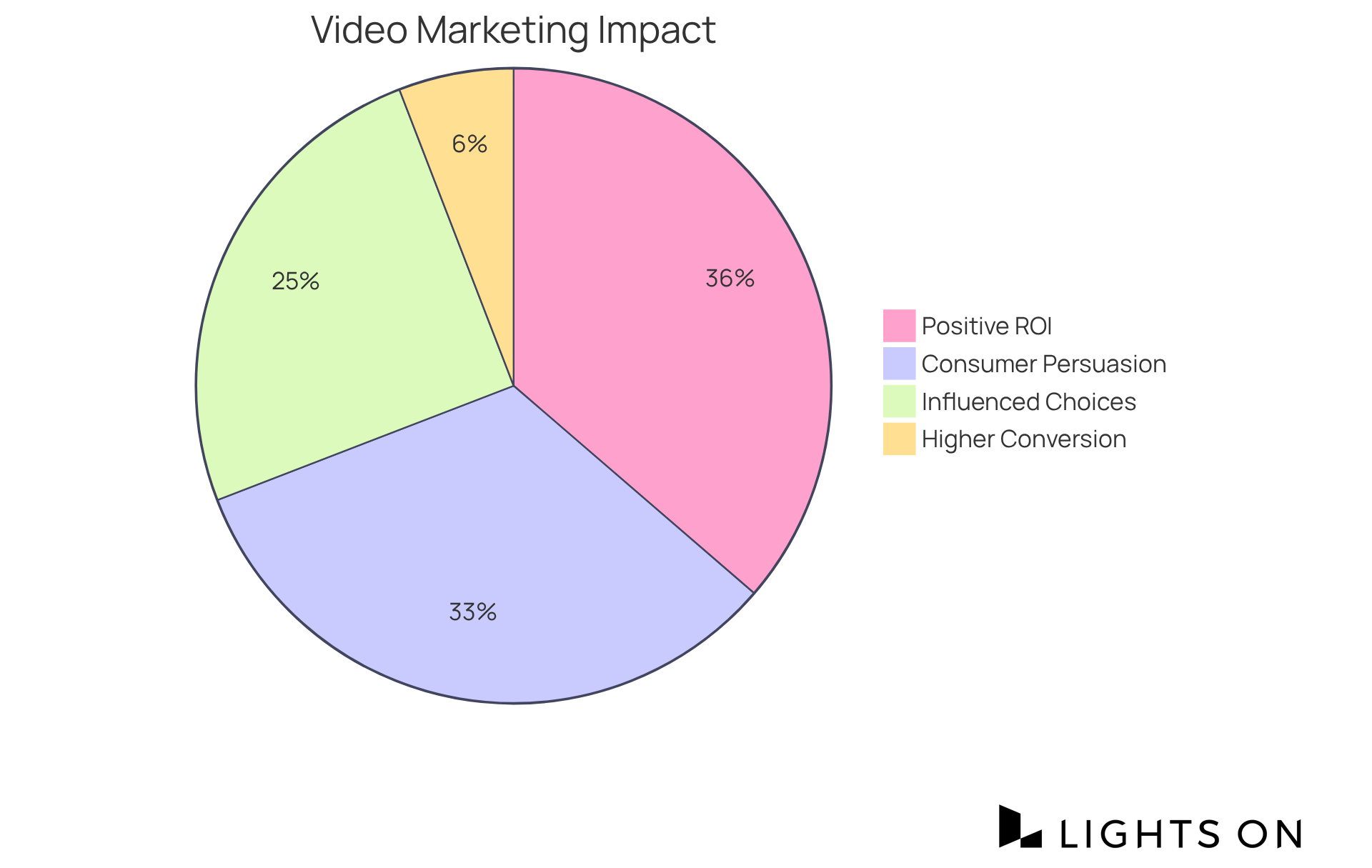
Video promotion has become an essential strategy in creating hotel advertisement examples, enabling establishments to vividly showcase their unique offerings. Engaging video content is among the hotel advertisement examples that not only highlights amenities and guest experiences but also emphasizes local attractions, effectively capturing the attention of potential guests. With platforms like YouTube and social media playing a pivotal role, 93% of marketers report a positive ROI from video campaigns. Remarkably, 84% of consumers have been persuaded to purchase a product or service after watching a brand's video.
Successful hotel advertisement examples in 2025 illustrate the significant impact of compelling visuals on bookings. For instance, accommodations that leverage high-quality images and engaging video content experience a 15% higher conversion rate. Furthermore, hotel advertisement examples that feature retargeted accommodation ads convert bookings 2-4 times more effectively than cold ads, underscoring the effectiveness of personalized video strategies.
As travelers increasingly rely on video content to inform their choices - 64% indicate that video influenced their lodging selections - hotels must prioritize hotel advertisement examples through video promotion to enhance brand visibility and drive engagement. By crafting stories that resonate emotionally with audiences, accommodations can profoundly influence booking patterns, establishing video as an indispensable resource in modern hospitality promotion.
Social media advertising presents a powerful opportunity for accommodations to broaden their reach and connect with potential guests in real-time. By crafting visually appealing and shareable content, accommodations can capture attention and drive traffic to their websites. Platforms such as Instagram, Facebook, and TikTok offer unique avenues for showcasing distinctive offerings and engaging with travelers. In fact, a striking 61% of travelers have booked a property after discovering it on Instagram, highlighting the platform's significant influence on booking decisions.
Effective social media strategies not only enhance brand visibility but also foster community engagement and loyalty among guests. Engaging content, including user-generated visuals and compelling storytelling, can dramatically boost interaction rates. Accommodations that showcase high-quality images experience a remarkable 15% increase in bookings compared to those relying on generic stock photos. As social media continues to shape travel decisions, it is imperative for accommodations to leverage these platforms to build genuine connections and drive bookings.

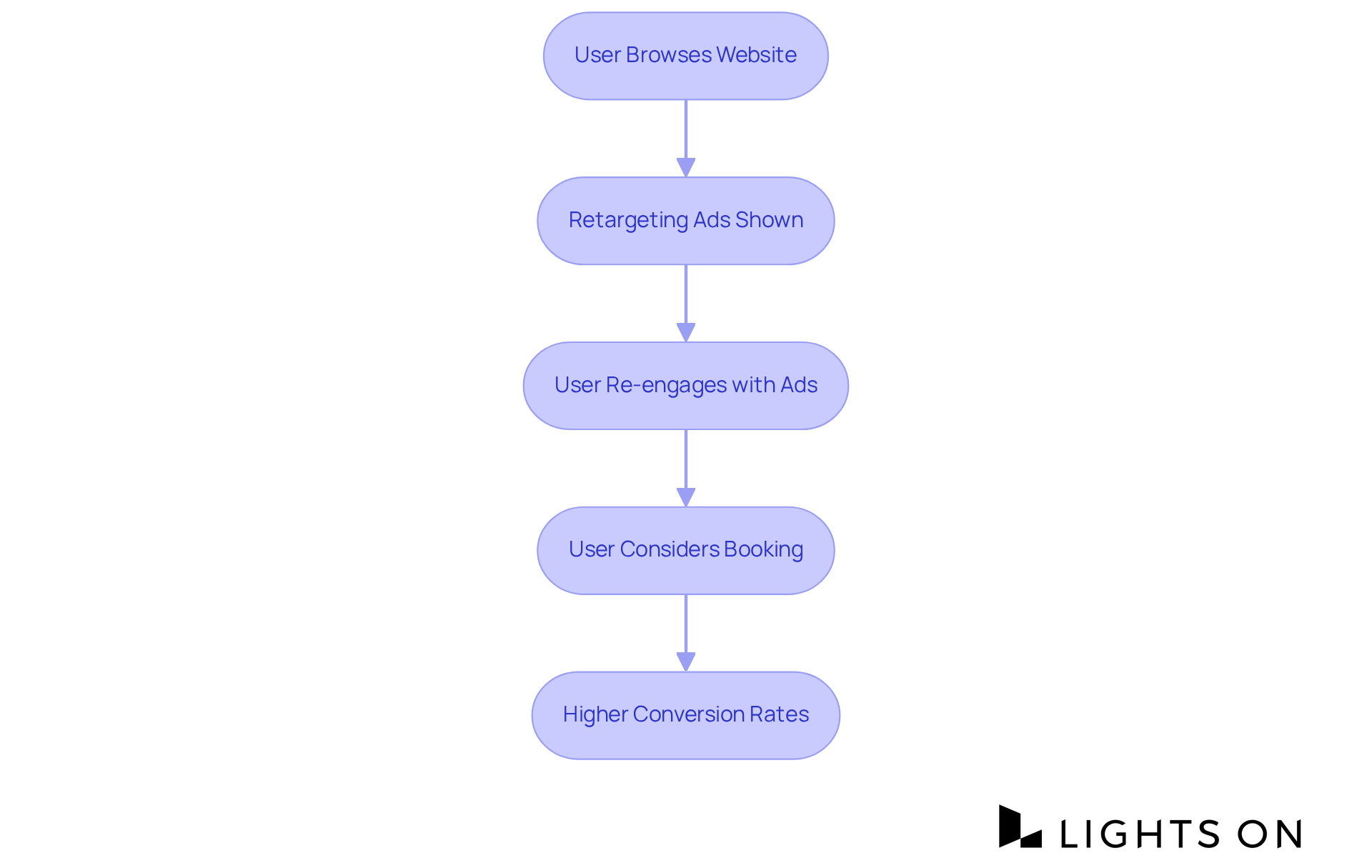
Retargeting advertisements serve as a powerful strategy for accommodations aiming to reconnect with potential visitors who browsed their website but did not finalize a reservation. By showcasing tailored ads that remind users of their previous interest, accommodations can significantly boost conversion rates and encourage direct bookings. This method not only reinforces brand recall but also prompts users to reconsider their choices, ultimately leading to higher occupancy rates.
In fact, retargeting can elevate conversion rates by up to 150%. Studies reveal that 70% of consumers are more likely to book after encountering retargeted ads. As the hospitality landscape evolves, leveraging such focused promotional strategies is crucial for maximizing revenue and enhancing visitor relationships.
Furthermore, consider how implementing retargeting can transform your marketing efforts. Are you ready to take action and harness the potential of this effective tactic?
User-generated content (UGC) plays a pivotal role in promoting accommodations, as it authentically showcases visitor experiences that resonate with potential clients. By encouraging guests to share their photos and feedback on social media, hotels and restaurants cultivate a sense of community and trust. This strategy not only bolsters credibility but also draws in new guests who value genuine experiences over traditional advertising methods.
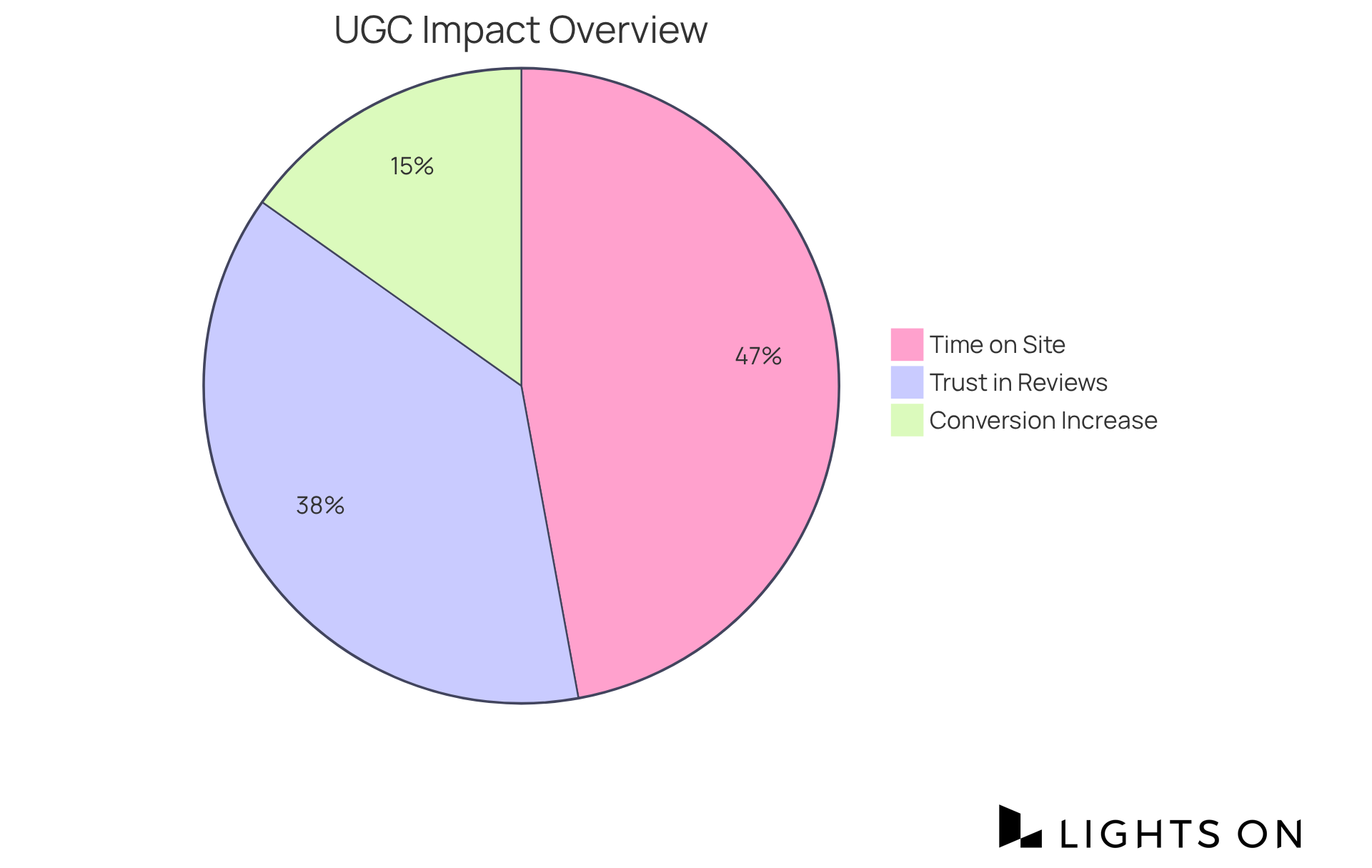
In fact, a striking 72% of consumers consider customer reviews and testimonials more trustworthy than brand communications. This statistic underscores the significant impact of UGC on influencing booking decisions. Furthermore, establishments that effectively incorporate UGC into their marketing strategies can witness a remarkable 29% increase in conversions and a 90% rise in time spent on their websites.
This approach not only nurtures brand loyalty but also contributes to a positive online reputation, making it an essential component of modern accommodation marketing. To capitalize on this trend, hotel and restaurant owners should actively engage with their guests, encouraging them to share their experiences and feedback. By doing so, they can harness the power of UGC to enhance their promotional efforts and drive business growth.
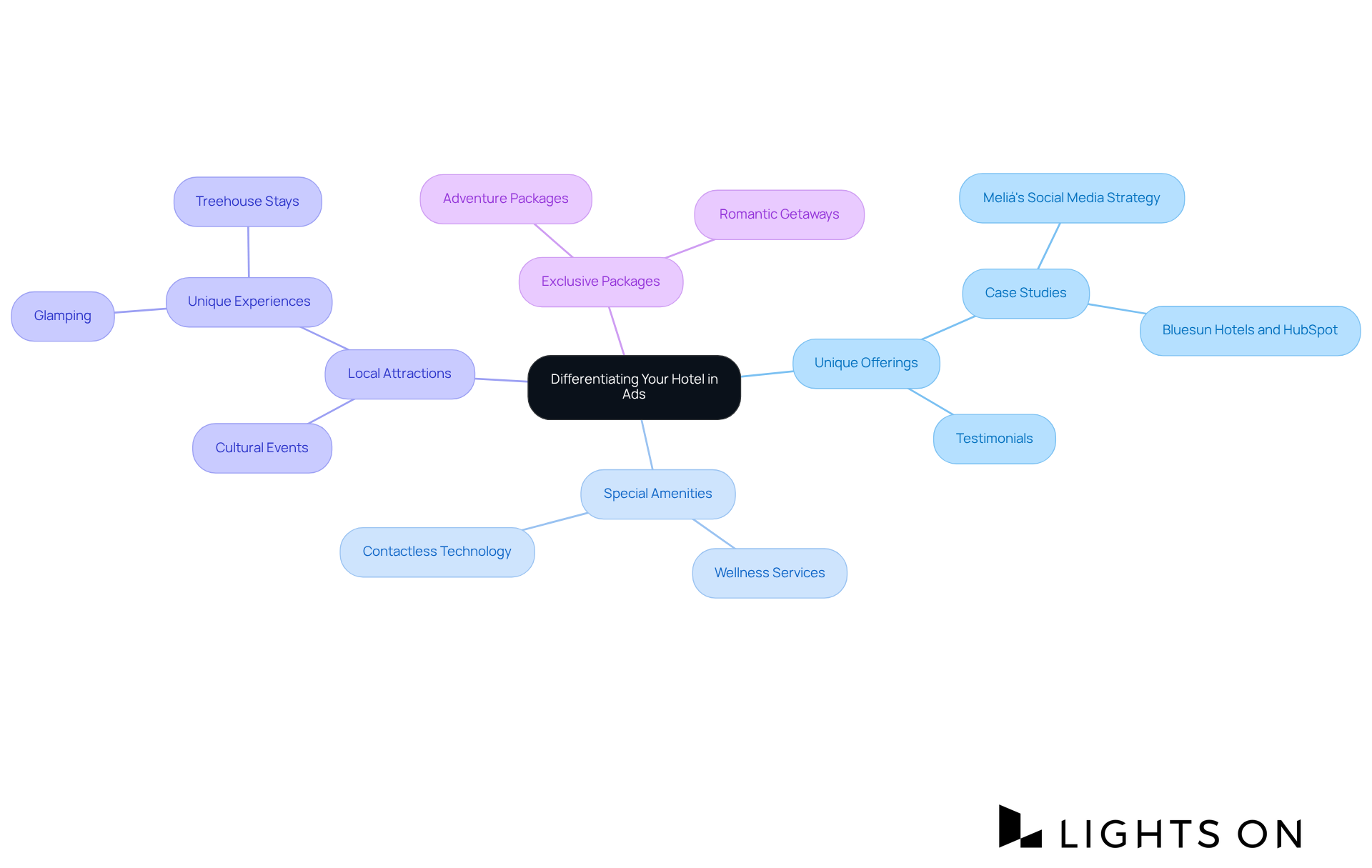
In a saturated market, utilizing hotel advertisement examples to highlight distinctive offerings in accommodation promotion is crucial for standing out. Hotels can effectively differentiate themselves by utilizing hotel advertisement examples that showcase special amenities, local attractions, and exclusive packages that competitors may overlook. By using effective hotel advertisement examples that focus on what makes their services unique, accommodations can attract visitors who are in search of unforgettable experiences. This strategy not only strengthens brand identity but also drives bookings, as illustrated by hotel advertisement examples that appeal to travelers' desires for authenticity and adventure.
Furthermore, consider the impact of case studies and testimonials that illustrate successful differentiation strategies. How can your establishment leverage its unique offerings to create memorable guest experiences? By addressing these questions, hotel and restaurant owners can better understand the importance of emphasizing their distinctive features in marketing efforts.
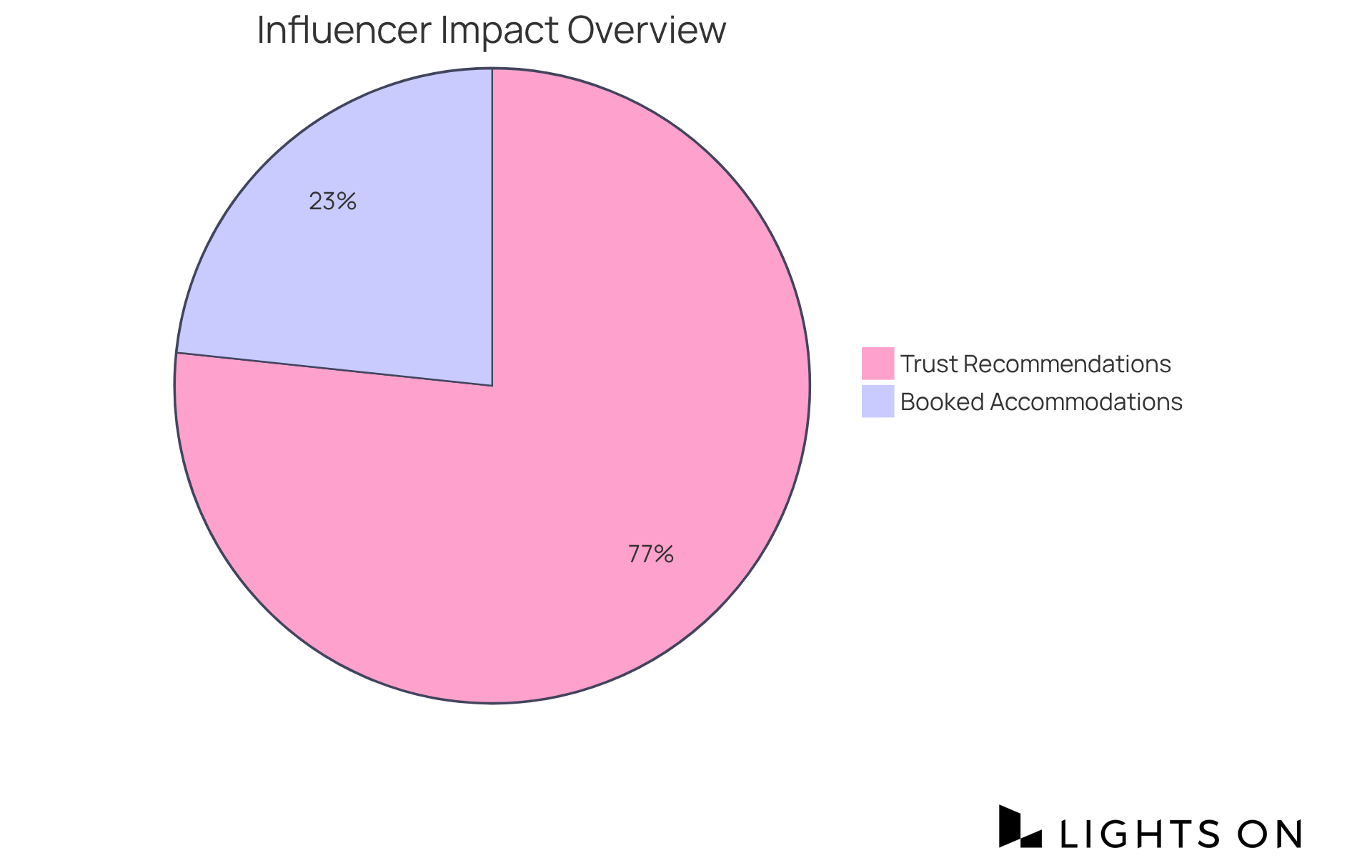
Influencer partnerships have emerged as a vital strategy for accommodations aiming to enhance brand visibility and connect with new audiences. By collaborating with travel influencers, these establishments can tap into their followers, creating authentic content that resonates with potential visitors. This strategy not only boosts brand awareness but also fosters consumer trust; in fact, 92% of consumers are more inclined to trust influencer recommendations that feel genuine.
The impact of these partnerships is significant. Research indicates that 28% of travelers have booked accommodations based on an influencer's recommendation. Successful collaborations, particularly with popular travel bloggers on platforms like Instagram and YouTube, have resulted in higher engagement rates and increased direct bookings. As the hospitality industry evolves, those establishments that prioritize authentic collaborations with influencers are likely to see measurable improvements in their marketing outcomes, including enhanced visitor engagement and reduced reliance on online travel agencies (OTAs).
This shift towards strategic influencer partnerships reflects a broader trend within the industry, where authenticity and meaningful connections are becoming essential for driving bookings and cultivating long-term customer loyalty. Are you ready to embrace this transformative approach and elevate your marketing strategy?
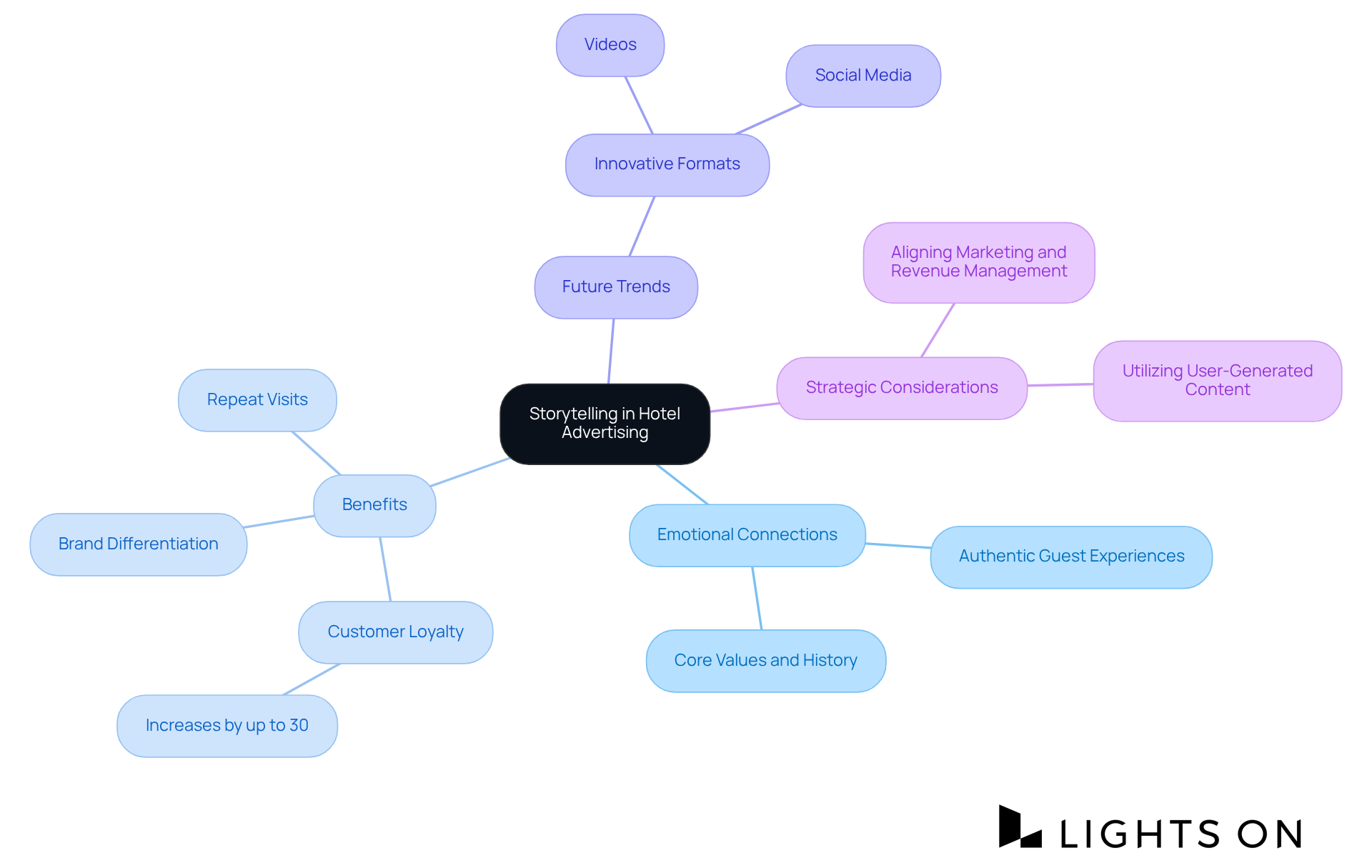
Narrative techniques in accommodation marketing serve as a powerful tool for forging emotional connections with potential visitors. By sharing authentic stories that highlight the establishment's history, core values, and memorable guest experiences, properties can resonate with audiences on a profound level. This strategy not only differentiates the brand in a crowded marketplace but also fosters loyalty and encourages repeat visits.
Studies indicate that compelling storytelling can enhance customer loyalty by up to 30%. This makes visitors feel integral to the establishment's narrative, significantly enriching their overall experience. Furthermore, industry experts emphasize that brands employing narrative-driven strategies are more likely to be remembered and recommended by guests. This underscores the critical role of emotional engagement in hospitality marketing.
Looking ahead to 2025, storytelling will continue to evolve, with accommodations leveraging innovative formats such as videos and social media posts to captivate travelers. This shift is poised to increase booking rates and cultivate lasting relationships with guests. As you consider your marketing approach, ask yourself: How can you harness the power of storytelling to elevate your brand and connect with your audience?
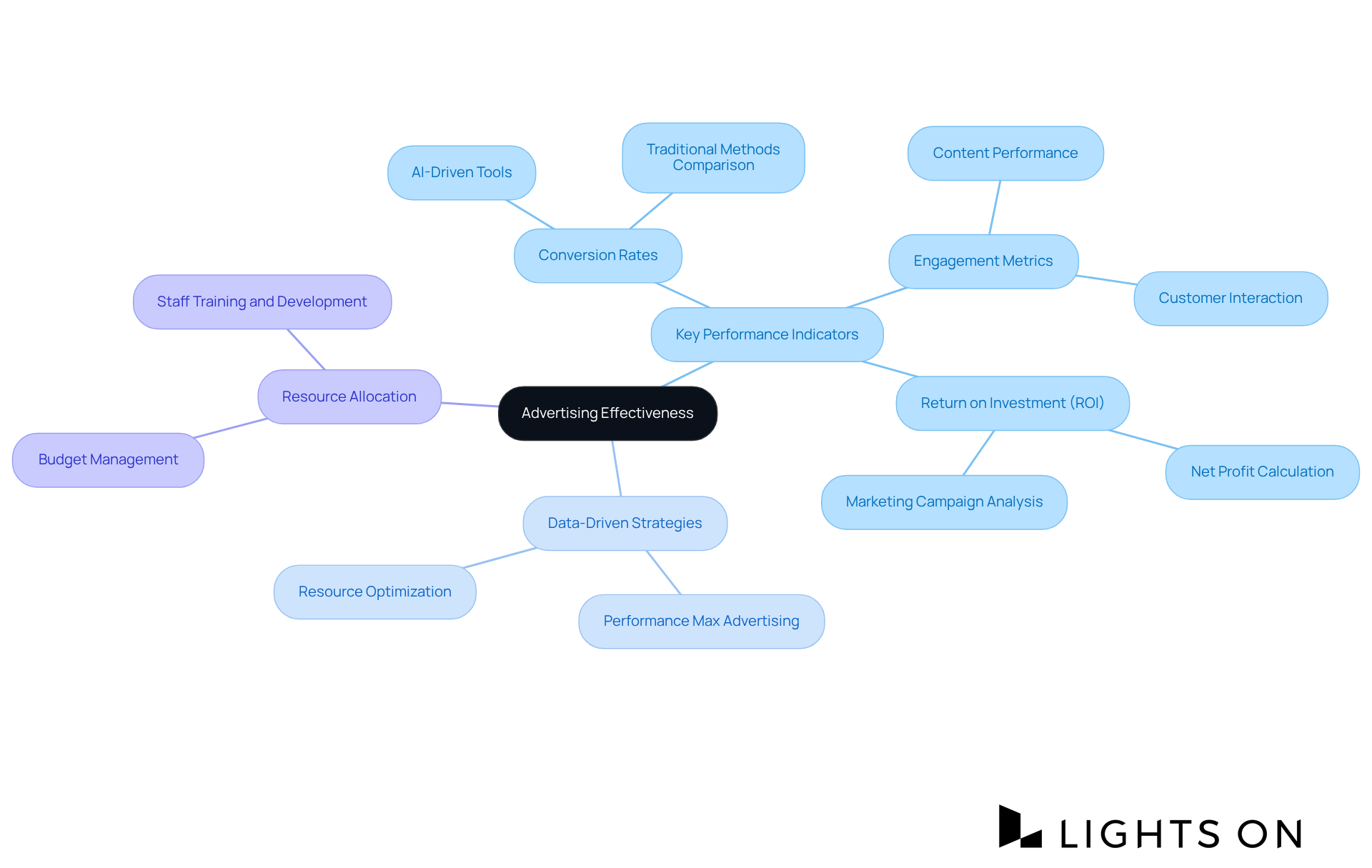
Assessing advertising effectiveness is crucial for accommodations aiming to enhance their marketing strategies continuously, particularly by analyzing hotel advertisement examples. By focusing on key performance indicators (KPIs) like conversion rates, engagement metrics, and return on investment (ROI), establishments can gain valuable insights into their campaign success and improve their hotel advertisement examples. For instance, accommodations leveraging Google's AI-driven Performance Max advertising tool have reported conversion rates over three times higher than traditional methods. This highlights the potential of data-driven strategies.
Furthermore, this analytical approach not only enables establishments to refine their hotel advertisement examples but also facilitates more efficient resource allocation, ultimately enhancing overall advertising performance. As we look ahead to 2025, the focus on KPIs will intensify, with accommodations adapting to shifting market dynamics and evolving consumer expectations. By prioritizing measurable outcomes, hotels can ensure their marketing initiatives deliver substantial returns, driving growth and profitability in an increasingly competitive landscape.
In the competitive landscape of hospitality, the importance of innovative hotel advertising strategies is paramount. Establishments are increasingly aware that effective marketing not only boosts visibility but also drives bookings and cultivates long-term loyalty among guests. By leveraging unique experiences, storytelling, and data-driven approaches, hotels can craft compelling narratives that resonate with potential visitors, ultimately distinguishing themselves in a crowded market.
Throughout this exploration of successful hotel advertisement examples, several key strategies have emerged:
Each case illustrates diverse approaches that yield impressive results. Furthermore, the rise of video marketing, social media engagement, and user-generated content underscores the evolving nature of hospitality promotion, where authenticity and emotional connections play pivotal roles in influencing traveler decisions.
As the hospitality industry continues to evolve, embracing these advertising strategies is crucial for hotels aiming to thrive. By prioritizing unique offerings, fostering genuine connections, and measuring advertising effectiveness, accommodations can enhance their marketing efforts and ensure sustained growth and profitability. The time to innovate and adapt is now-those who harness these insights will undoubtedly elevate their brand and capture the attention of discerning travelers in 2025 and beyond.
What digital marketing solutions does Lights On offer for hotels?
Lights On provides a comprehensive suite of digital promotion solutions tailored for the hospitality sector, including website management, performance advertising, social media management, and search engine optimization.
How does digital marketing impact revenue management for accommodations?
In 2025, digital marketing is expected to significantly impact revenue management by enhancing online visibility, optimizing occupancy rates, and increasing revenue for accommodations.
What is the importance of reputation management in hotel bookings?
Properties with strong recent scores can experience a 15-20% boost in booking-engine conversion rates, highlighting the vital role of reputation management in driving bookings.
How does social media influence travelers' booking decisions?
A staggering 87% of travelers report that social media influences their accommodation booking decisions, emphasizing the necessity for hotels to engage effectively across these platforms.
What advertising strategy does Meliá Hotels use to attract guests?
Meliá Hotels leverages distinctive moments in their advertisements, showcasing unique offerings like culinary adventures and wellness retreats, while emphasizing local culture and personalized interactions.
How does Meliá Hotels create emotional connections with potential guests?
Meliá Hotels uses immersive storytelling in their advertisements to cultivate an emotional connection with the destination, allowing prospective visitors to envision their journey before arrival.
What is Marriott Bonvoy's approach to building brand loyalty?
Marriott Bonvoy focuses on building brand loyalty through campaigns like 'Travel Shapes Us,' which showcase the transformative power of travel and invite guests to share their stories.
How does Marriott use data-driven insights in its marketing?
Marriott leverages data-driven insights to create targeted promotions that resonate with its members, enhancing engagement and fostering long-term loyalty.
What unique advertising strategy does Skylodge Adventure Suites employ?
Skylodge Adventure Suites captivates adventure travelers by showcasing its unique accommodation in glass pods elevated 1,300 feet above the Sacred Valley in Peru, using visually stunning visuals to highlight the thrill of the experience.
Why is targeting specific demographics important in hotel advertising?
Understanding and targeting specific demographics, as exemplified by Skylodge's strategy, can significantly boost bookings and enhance brand visibility by resonating with consumers seeking distinctive accommodations.
Transform your group booking strategies with Lights On and watch your occupancy soar.


.svg)

