Hotel dynamic pricing software significantly enhances revenue management by facilitating real-time price adjustments that respond to market demand, competitor pricing, and customer behavior analysis. This innovative approach addresses a critical challenge faced by hotel owners: maximizing revenue in a competitive landscape. By leveraging such software, accommodations can effectively optimize occupancy rates and improve revenue per available room (RevPAR).
Furthermore, the software empowers hotels to make informed, data-driven decisions that enhance overall financial performance. With targeted marketing strategies, properties can attract the right guests at the right time, ultimately leading to increased profitability. The ability to analyze customer behavior allows for tailored offerings that resonate with potential guests, driving both interest and bookings.
In addition, consider the success stories of hotels that have implemented dynamic pricing strategies. These case studies illustrate how real-time adjustments can lead to remarkable improvements in financial outcomes. Are you ready to explore how this technology can transform your revenue management approach? Embracing dynamic pricing software could be the key to unlocking your property's full potential.
In the fiercely competitive hospitality industry, adapting pricing strategies in real-time can mean the difference between a fully booked hotel and empty rooms. Hotel dynamic pricing software has emerged as a game-changer, equipping establishments with the tools to analyze market conditions, customer behavior, and competitor rates with remarkable accuracy. But how can hotels effectively leverage this technology to not only boost revenue but also enhance overall guest satisfaction? This article explores ten powerful ways that dynamic pricing software can transform revenue management practices, ensuring that accommodations not only survive but thrive in today's fast-paced market.
Lights On offers a state-of-the-art hotel dynamic pricing software specifically designed for the hospitality sector. This innovative tool leverages advanced algorithms to analyze market conditions, competitor pricing, and customer demand. As a result, establishments can refine their strategies effectively, ensuring they remain competitive in a rapidly evolving market.
By integrating this software into their operations, managers can significantly enhance their revenue management practices. Imagine having the capability to make informed decisions that directly impact your bottom line. With Lights On, you can achieve just that, positioning your establishment for success in an increasingly competitive landscape.
Furthermore, this software not only streamlines operations but also empowers managers to respond swiftly to market changes. By harnessing data-driven insights, you can stay ahead of the curve and adapt your strategies accordingly. Don't let your competitors outpace you; take action now to elevate your revenue management game.
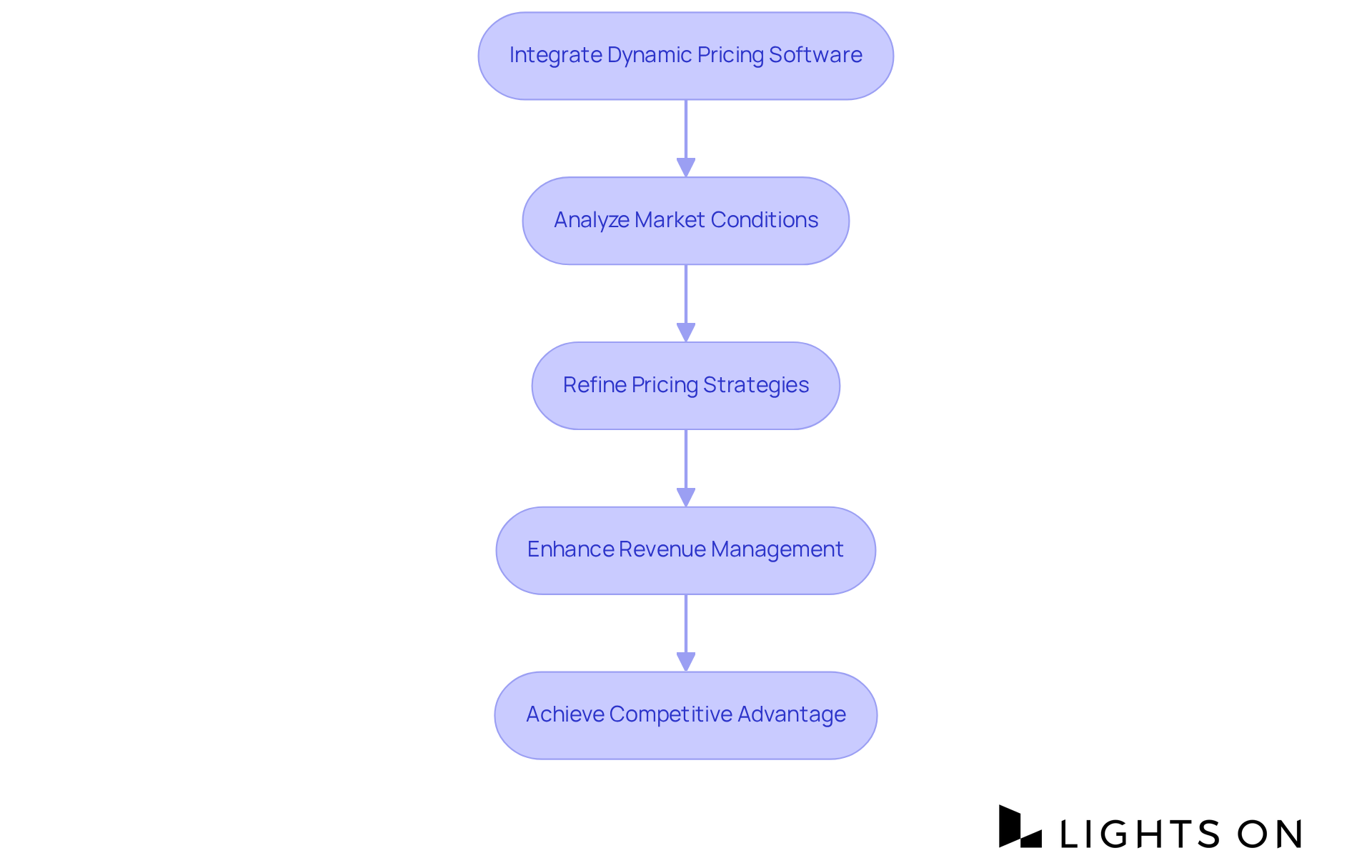
Hotel dynamic pricing software empowers accommodations to implement real-time price adjustments based on current market demand. This capability ensures that room rates accurately reflect the latest trends, including local events and seasonal fluctuations. By swiftly responding to demand changes, accommodations can capitalize on peak periods, ultimately boosting their revenue.
To enhance the effectiveness of flexible pricing strategies, accommodation providers should consider several approaches:
In conclusion, adopting hotel dynamic pricing software not only aligns room rates with market conditions but also positions accommodations to thrive in a competitive landscape. Are you ready to take your pricing strategy to the next level?

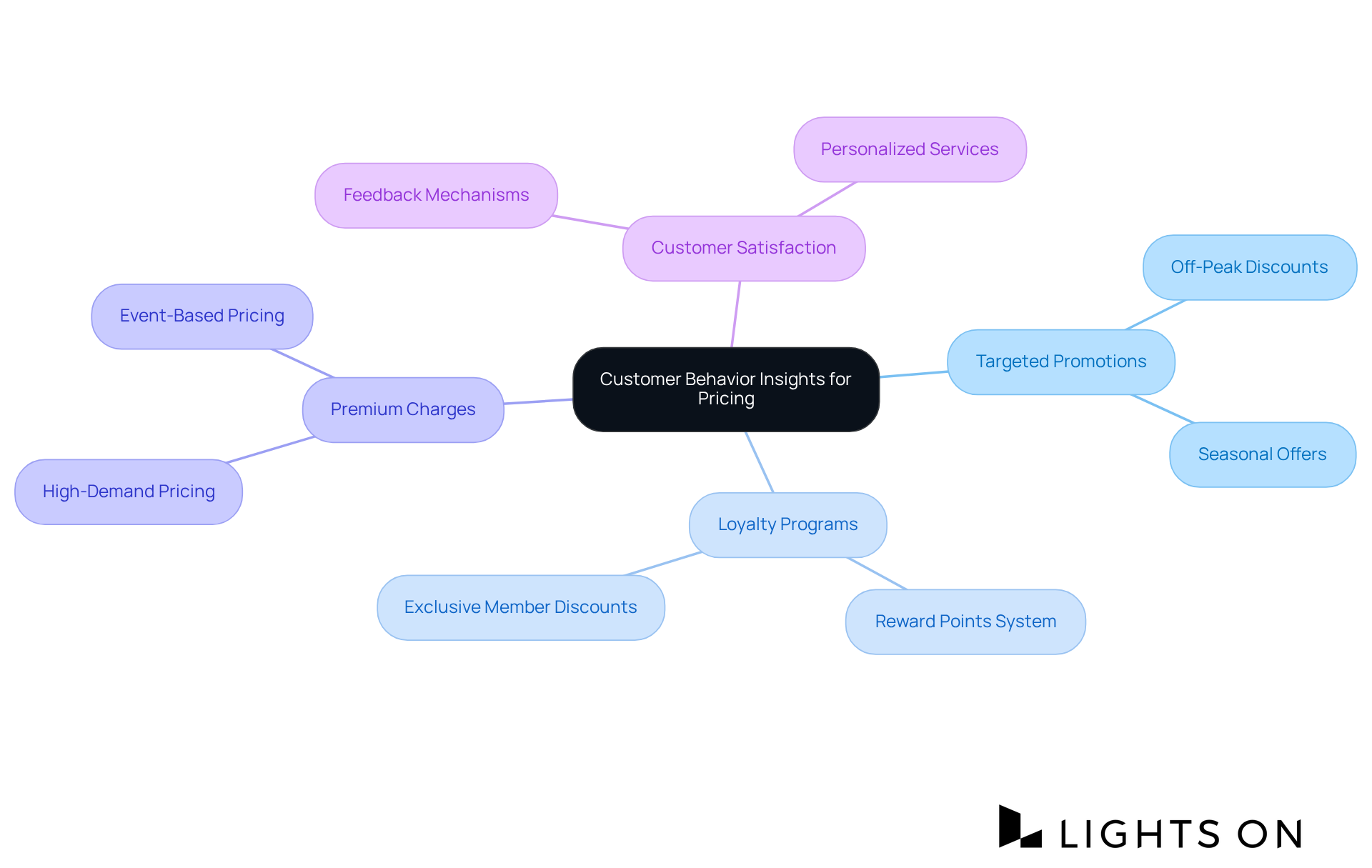
Hotel dynamic pricing software plays a crucial role in understanding customer behavior, providing valuable insights into booking trends and preferences. By analyzing how clients interact with pricing, accommodations can tailor their strategies to meet specific needs. For instance, hotels can implement targeted promotions during off-peak times to attract more guests or develop loyalty programs that reward returning customers. Furthermore, premium charges can be strategically applied during high-demand periods to optimize revenue. This focused approach not only enhances customer satisfaction but also increases reservations, making hotel dynamic pricing software an indispensable element of effective lodging marketing strategies.
Automated cost-setting methods not only reduce manual labor but also play a crucial role in enhancing accommodation marketing initiatives. Hotel proprietors can leverage hotel dynamic pricing software to implement targeted pricing strategies that respond to market demand and guest behavior. This automation allows staff to focus on creating personalized guest experiences while ensuring that prices are consistently optimized.
For instance, consider the impact of incorporating promotional offers during peak demand periods or adjusting rates based on competitor pricing. Such strategies can significantly boost bookings. By aligning pricing strategies with marketing efforts, accommodations can improve revenue management and effectively increase guest engagement.
Furthermore, the integration of automated systems not only streamlines operations but also empowers hotel owners to make data-driven decisions. This approach not only enhances operational efficiency but also fosters a more responsive and competitive environment. In addition, by utilizing these tools, hotels can better anticipate market trends and adjust their offerings accordingly, ensuring they remain ahead of the competition.
Ultimately, embracing hotel dynamic pricing software is not just about reducing workload; it’s about transforming how accommodations engage with their guests and optimize their revenue potential. Are you ready to elevate your pricing strategy and enhance your guest experience?

In a crowded hospitality market, establishing a competitive edge is essential. Hotel dynamic pricing software provides accommodations with the necessary tools to evaluate competitor costs and market trends, enabling them to adjust their pricing as needed. To effectively leverage this software, hotels can adopt several strategies:
By staying informed about rivals' strategies and implementing these practical tactics, establishments can enhance their positioning, drawing in visitors who might otherwise choose alternative lodgings.

Using hotel dynamic pricing software, dynamic revenue strategies are essential for optimizing occupancy rates by adjusting prices based on demand. Have you considered how your pricing strategy could impact your revenue? During high-demand periods, accommodations can raise prices to maximize earnings, while offering discounts during slower times can effectively promote bookings. To implement this strategy efficiently, accommodations should leverage hotel dynamic pricing software to predict demand trends and adjust rates accordingly.
Furthermore, successful establishments often share case studies that illustrate how hotel dynamic pricing software has led to increased occupancy and revenue. These real-world examples provide valuable insights for others in the sector, demonstrating the effectiveness of such strategies. By adopting a strategic approach to pricing, accommodations can maintain high occupancy levels, which is crucial for overall profitability.
In addition, consider how your establishment can benefit from these insights. Are you ready to explore dynamic pricing as a solution to your challenges? Embracing these strategies not only enhances your revenue potential but also positions your business for long-term success.

Revenue per available room (RevPAR) stands as a pivotal performance metric for accommodations. The challenge lies in optimizing room charges to maximize both occupancy and pricing. By employing hotel dynamic pricing software, accommodations can significantly enhance RevPAR. Furthermore, to elevate this metric even further, it's essential to integrate targeted marketing approaches. Consider:
This dual focus on filling rooms while achieving optimal pricing through hotel dynamic pricing software, coupled with robust marketing efforts, leads to improved financial performance and sustainability. Are you ready to take your revenue management to the next level? By implementing these strategies, you can not only boost your RevPAR but also ensure long-term success in the competitive hospitality landscape.

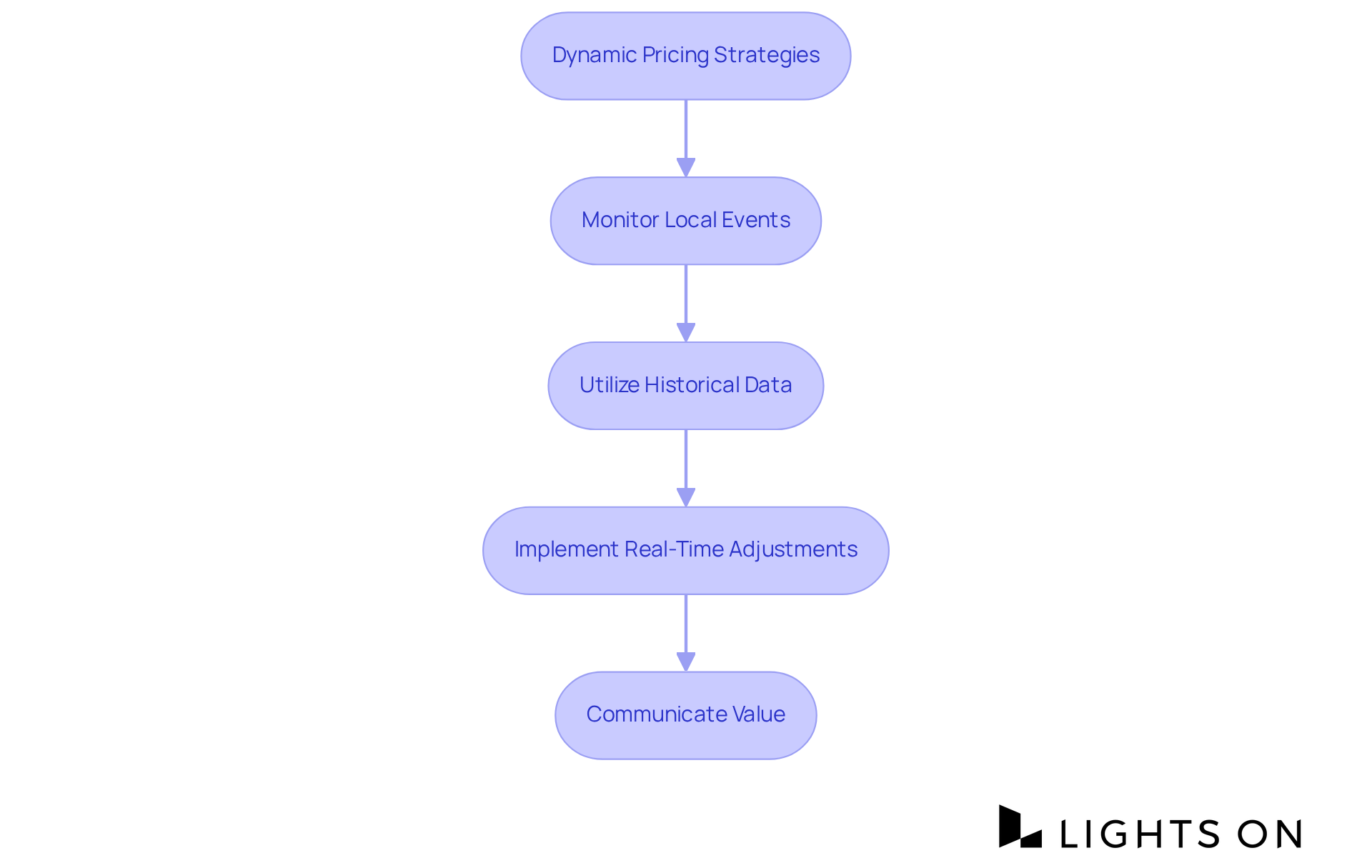
Hotel dynamic pricing software empowers accommodations to adjust their rates based on seasonal trends and local events. By analyzing historical data alongside current market conditions, properties can align their pricing with peak seasons or special occasions, ensuring they capitalize on maximum revenue opportunities during these critical periods.
To effectively harness dynamic pricing, hotel owners should consider these strategies:
By integrating these tactics, property owners can enhance their dynamic cost management strategies using hotel dynamic pricing software, ultimately boosting reservations and optimizing income.
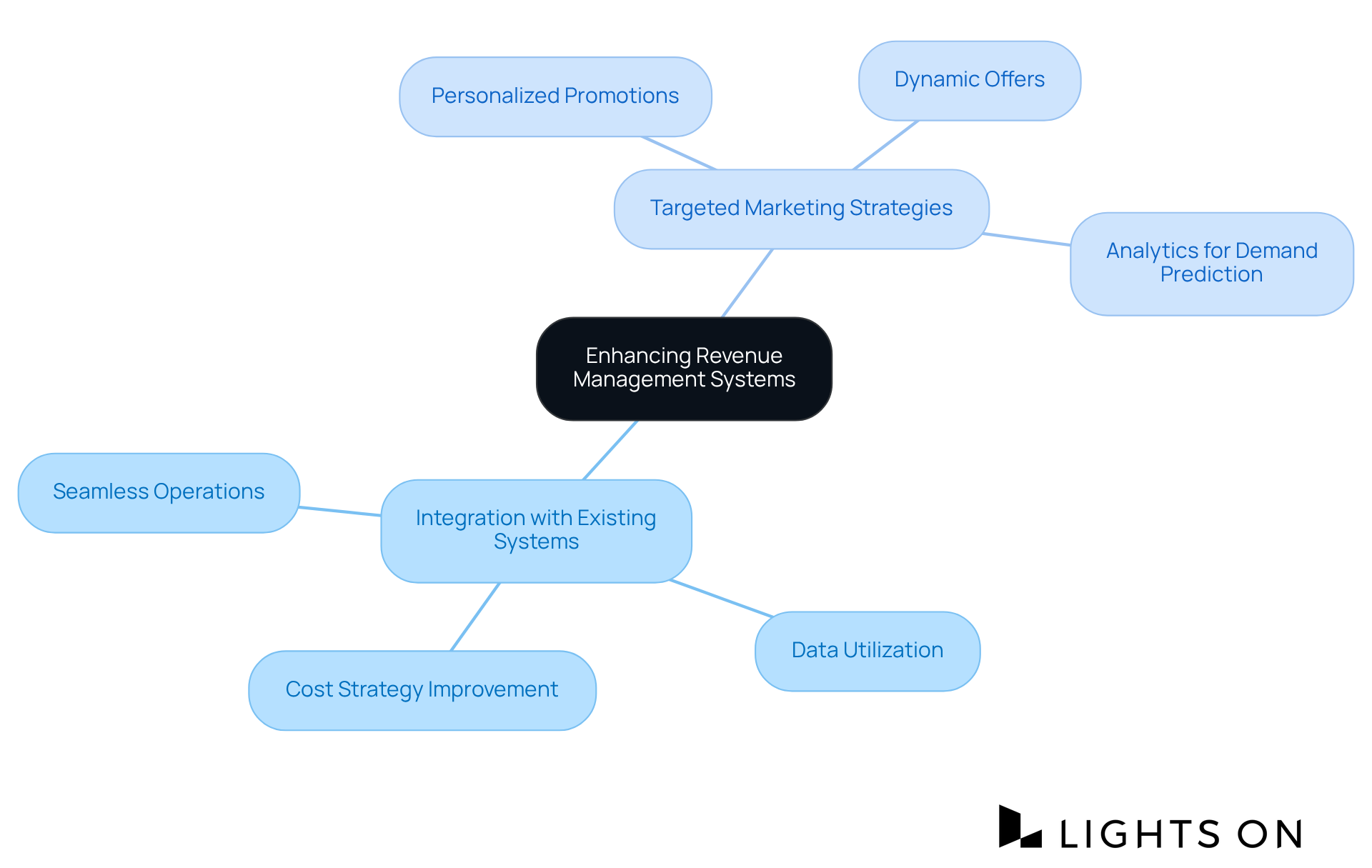
Hotel dynamic pricing software captures attention by seamlessly integrating with existing systems, enhancing operations without requiring a complete overhaul. This innovative approach allows accommodations to leverage available data and procedures, improving their cost strategies while ensuring operational consistency.
Furthermore, to maximize the benefits of this integration, property owners should consider implementing targeted marketing strategies. Some examples include:
These actionable insights not only lead to better cost decisions but also significantly boost bookings and enhance revenue management with hotel dynamic pricing software.
In addition, think about how these strategies can transform your property’s performance. Are you ready to take the next step in optimizing your revenue management? By embracing these techniques, you can position your accommodations for greater success in a competitive market.
Hotel dynamic pricing software empowers accommodations to make informed, data-driven decisions about their financial strategies. By leveraging comprehensive data sets that encompass market trends, customer behavior, and competitor costs, these establishments can use hotel dynamic pricing software to craft strategies that significantly enhance their revenue management practices. This analytical approach removes guesswork, ensuring that pricing decisions with hotel dynamic pricing software are firmly rooted in reliable data. As a result, businesses can swiftly adapt to market fluctuations using hotel dynamic pricing software, boost occupancy rates, and maximize revenue potential.
Notably, organizations that prioritize data-driven strategies are 19 times more likely to achieve profitability, highlighting the profound impact of analytics in the hospitality industry. Furthermore, hotel dynamic pricing software and advanced analytics can lead to substantial improvements in both revenue and occupancy rates, making it an indispensable element of contemporary hotel management. Are you ready to harness the power of data to transform your financial outcomes?

Implementing hotel dynamic pricing software represents a pivotal move for accommodations looking to elevate their revenue management practices. By harnessing advanced algorithms, this software empowers properties to make informed pricing decisions that resonate with market conditions and customer demand. Not only does this approach optimize room rates, but it also positions hotels to excel in a competitive landscape, ensuring they seize revenue opportunities as they emerge.
Throughout this article, we've delved into the myriad benefits of dynamic pricing software. From real-time rate adjustments that respond to market demand to automated pricing strategies that minimize manual effort, each point highlights the necessity of leveraging data-driven insights. Moreover, grasping customer behavior and tailoring pricing strategies accordingly can significantly enhance occupancy rates and revenue per available room (RevPAR). Integrating these tools into existing revenue management systems further boosts operational efficiency and effectiveness.
As the hospitality industry evolves, embracing dynamic pricing strategies is essential for staying ahead of the competition. Property owners should consider adopting these innovative solutions to not only refine their revenue management but also enrich guest experiences. By prioritizing data-driven decisions and adapting to market trends, hotels can secure long-term success and sustainability in a rapidly changing environment. The time to act is now—transform your pricing strategies and unlock the full revenue potential of your establishment.
What is Lights On dynamic pricing software?
Lights On is a hotel dynamic pricing software designed for the hospitality sector that uses advanced algorithms to analyze market conditions, competitor pricing, and customer demand, helping establishments refine their revenue management strategies.
How does Lights On enhance revenue management?
By integrating Lights On into their operations, managers can make informed decisions that directly impact their bottom line, streamlining operations and allowing for swift responses to market changes.
What are real-time rate adjustments in hotel dynamic pricing?
Real-time rate adjustments allow accommodations to change room rates based on current market demand, ensuring that prices reflect the latest trends such as local events and seasonal fluctuations.
How can accommodations capitalize on peak periods with dynamic pricing?
By responding quickly to demand changes and adjusting rates accordingly, accommodations can take advantage of peak periods to boost their revenue.
What strategies can enhance flexible pricing with dynamic pricing software?
Strategies include examining competitor rates for market insights, employing data analysis to predict demand, and adjusting rates based on consumer reservation trends to optimize occupancy and revenue.
How does hotel dynamic pricing software help understand customer behavior?
It provides insights into booking trends and preferences, allowing accommodations to tailor their pricing strategies, such as implementing targeted promotions during off-peak times or developing loyalty programs.
What benefits do targeted promotions and loyalty programs provide?
Targeted promotions can attract more guests during off-peak times, while loyalty programs can reward returning customers, enhancing satisfaction and increasing reservations.
Why is hotel dynamic pricing software important for marketing strategies?
It helps accommodations align room rates with market conditions and customer behavior, making it an essential tool for effective lodging marketing strategies.
Transform your group booking strategies with Lights On and watch your occupancy soar.


.svg)

