In today’s competitive landscape, a hotel’s success hinges on its ability to effectively manage digital content and engage with guests. This is not just a luxury; a comprehensive hotel Content Management System (CMS) is a vital tool that can transform operations and enhance the guest experience. By streamlining processes such as booking management and promotional strategies, a hotel CMS empowers establishments to increase visibility and drive direct bookings.
However, with numerous options available, how can hotels determine the most impactful features to implement for maximum benefit?
Furthermore, understanding the right tools can make all the difference in navigating this complex environment.
A comprehensive hotel CMS empowers establishments to manage digital content effortlessly, ensuring that all information remains current and engaging. This capability is crucial in a fiercely competitive market where visibility is paramount. By incorporating essential features like booking management and visitor communication, a hotel CMS significantly enhances a property's digital strategy.
In fact, accommodations that effectively utilize a hotel CMS can see a marked improvement in direct bookings. Did you know that 50% of travelers are likely to book directly if prices are comparable to those offered by Online Travel Agencies (OTAs)? This statistic underscores the importance of a well-implemented digital strategy. Furthermore, the integration of booking management within a hotel CMS allows for customized visitor experiences, which can double the chances of premium amenity purchases.
As industry leaders emphasize, success in today's hospitality landscape hinges on control over bookings and visibility. A holistic approach not only streamlines operational efficiency but also elevates brand visibility. Are you ready to take your digital strategy to the next level? Implementing a hotel CMS could be the key to unlocking your property's full potential.

A hotel CMS serves to address a critical challenge faced by hospitality businesses: managing content across multiple platforms. By enabling staff to oversee all content from a single platform, a CMS significantly reduces the likelihood of errors, ensuring that visitors receive consistent and accurate information. This streamlined approach not only saves valuable time but also enhances the visitor experience by delivering timely updates on services, promotions, and events.
For example, when a hotel updates its room availability, these changes are instantly reflected across all channels. This capability effectively prevents overbookings, ultimately boosting customer satisfaction. With 71% of hotel operators striving for enhanced personalization, a hotel CMS plays a vital role by enabling swift modifications to content that align with visitor preferences.
Furthermore, the efficient management of website content leads to improved operational efficiency. Staff can redirect their focus toward higher-value tasks rather than routine updates, maximizing productivity. This integration of technology not only meets the evolving demands of visitors but also empowers accommodations to thrive in a competitive landscape.
In conclusion, adopting a centralized hotel CMS is not merely a technological upgrade; it’s a strategic move that positions hospitality businesses for success. Are you ready to enhance your operational efficiency and elevate the visitor experience?

A robust CMS addresses the critical need for managing and optimizing property photos, enabling establishments to effectively showcase their unique attributes. By categorizing images and ensuring they are high-quality and relevant, accommodations can craft compelling visual narratives that attract potential guests.
For example, a hotel can emphasize its luxurious spa, breathtaking views, or distinctive dining experiences through captivating imagery. This approach not only enhances the guest experience but also integrates seamlessly into marketing campaigns across various platforms, driving engagement and bookings.
A hotel CMS is essential for boosting SEO initiatives. It empowers accommodations to efficiently update meta tags, descriptions, and keywords throughout their websites. By tailoring content to align with search engine algorithms, establishments can significantly enhance their visibility in search results, making it easier for potential guests to discover them.
For instance, concentrating on specific keywords that reflect local attractions and lodging amenities can drive substantial organic traffic, ultimately increasing the chances of direct bookings. Furthermore, implementing strategies such as:
can further elevate SEO performance.
As industry experts emphasize, effective SEO strategies are vital; websites that rank in the top five search results capture a staggering 90% of the traffic. This underscores the necessity for accommodations to adopt hotel CMS-driven SEO strategies to stay competitive and maximize their online presence. Are you ready to take your SEO efforts to the next level?

A hotel CMS that offers multilingual support is essential for establishments aiming to effectively engage a diverse clientele. This capability not only improves accessibility for international visitors but also enhances their overall experience, making it a vital component of successful hotel CMS accommodation marketing strategies. By presenting websites, booking forms, and promotional materials in multiple languages, accommodations ensure that every visitor feels welcomed and understood.
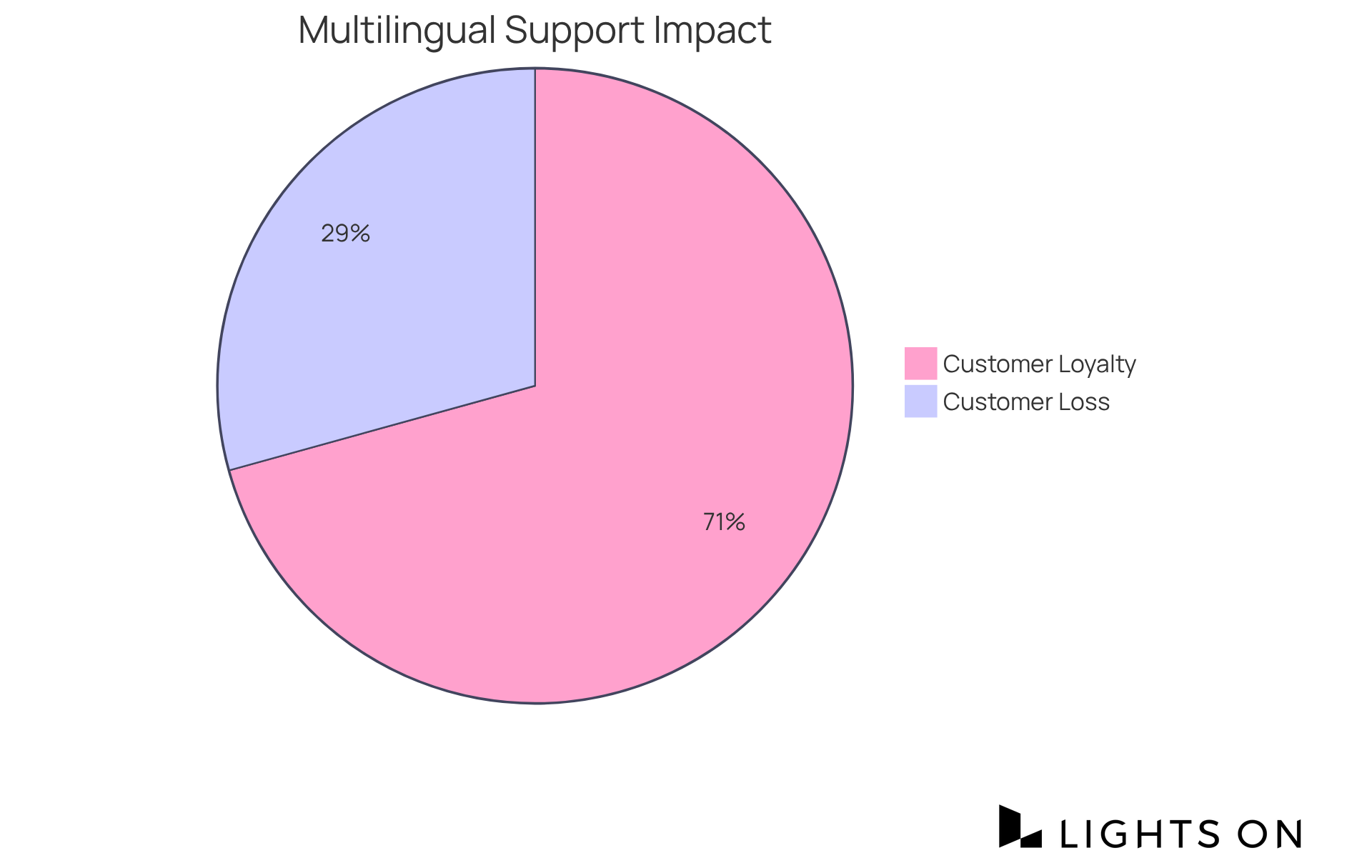
Consider this: 70% of end users express greater loyalty to companies that provide support in their native language. This statistic underscores the importance of a personalized approach, which can lead to increased satisfaction and loyalty among guests. Conversely, 29% of businesses have reported losing customers due to a lack of multilingual support, highlighting the economic ramifications of neglecting this service.
By prioritizing multilingual support through a hotel CMS, accommodations can transform visitor interactions and create lasting impressions that resonate well beyond the initial stay. This strategy not only enhances marketing effectiveness but also drives reservations. In a competitive landscape, investing in multilingual capabilities is not just an option; it’s a necessity for those looking to thrive in the hospitality industry.
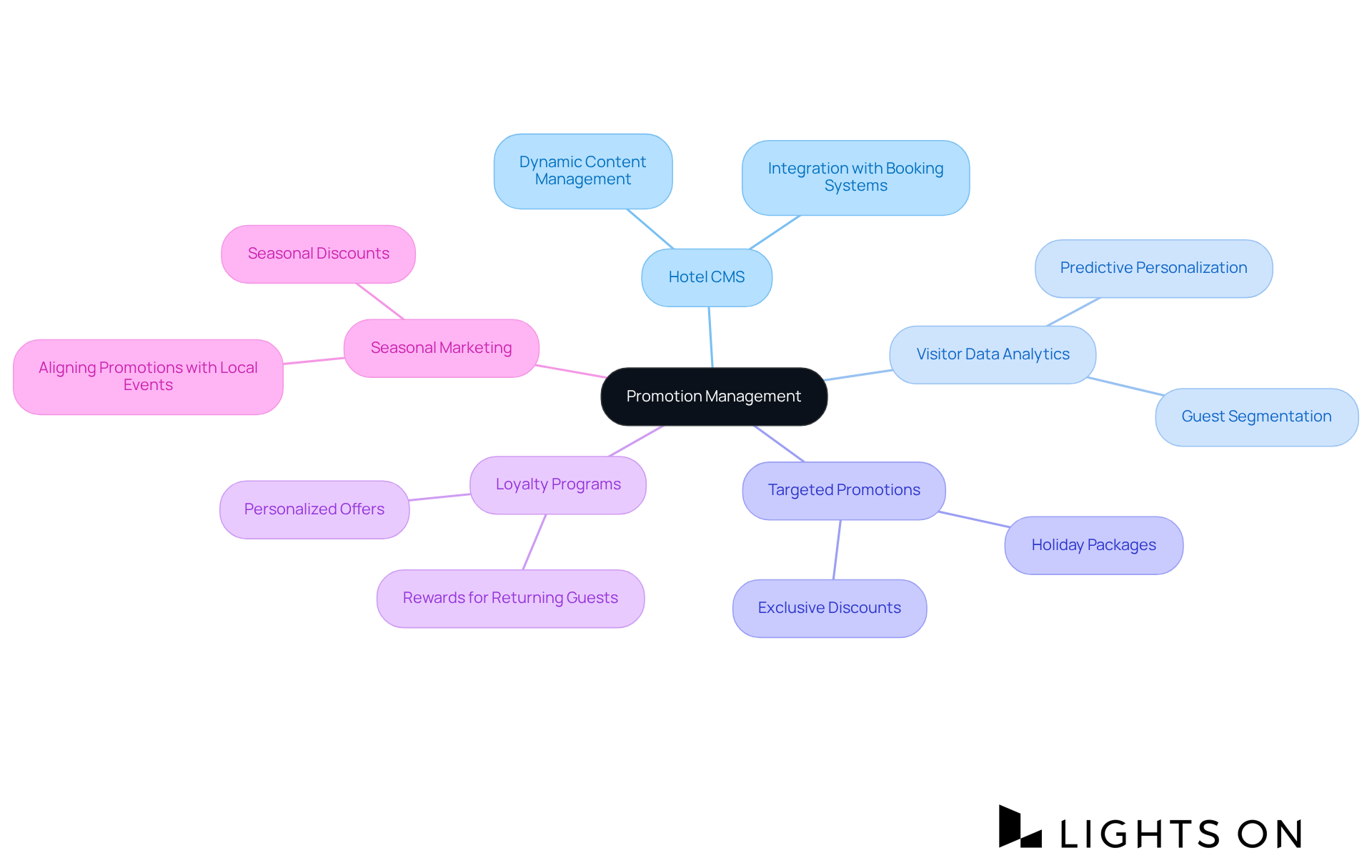
A robust hotel CMS is essential for establishments that aim to create, manage, and track promotional offers with ease. Hotels can leverage visitor data analytics to craft customized promotions tailored to specific segments, such as exclusive discounts for returning patrons or enticing holiday packages. This targeted marketing approach not only boosts direct bookings but also fosters customer loyalty, as travelers increasingly value personalized offers that resonate with their preferences.
For instance, implementing a loyalty program that rewards returning visitors can significantly enhance customer retention. Furthermore, aligning seasonal promotions with local events can attract new visitors while encouraging repeat stays. This strategy not only increases direct reservations but also nurtures lasting connections with guests, ultimately enhancing overall customer lifetime value.
As the hospitality landscape continues to evolve, utilizing a CMS for targeted marketing is no longer optional; it’s a necessity for driving direct bookings and cultivating enduring relationships with guests. Are you ready to transform your marketing strategy and elevate your guest experience?
A compliance management system (CMS) is crucial for establishments that strive to meet legal standards and accessibility requirements in their marketing efforts. By integrating tools that monitor regulatory changes, a CMS guarantees that all content complies with advertising laws and industry regulations. This proactive approach not only mitigates potential legal risks but also bolsters the establishment's reputation as a responsible and inclusive entity, attracting clients and investors alike.
Furthermore, a well-implemented CMS fosters accountability and transparency, allowing establishments to demonstrate their commitment to compliance and customer satisfaction. Automating compliance management processes can streamline operations and effectively enforce brand standards. Ongoing education and remediation are vital for maintaining compliance, as they help establishments stay ahead of evolving regulations. By optimizing compliance procedures, accommodations can focus on delivering exceptional visitor experiences while adhering to the highest standards of legal conformity.
As Paul Koziarz, President and General Manager of Regulatory Compliance at CSI, aptly states, "Without compliance, many organizations wouldn’t have security controls in place." Hotel owners should seriously consider implementing a hotel CMS that fulfills legal requirements while enhancing operational efficiency and customer satisfaction.

Integrating performance marketing tools with a hotel CMS allows establishments to monitor the effectiveness of their marketing campaigns in real-time. This capability is crucial for making informed decisions about budget distribution, ultimately optimizing impact. For example, campaigns that generate substantial traffic and bookings can receive increased investment, amplifying their success. This data-driven approach not only enhances marketing efficiency but also significantly boosts revenue potential. In fact, accommodations leveraging hotel CMS data insights can achieve an impressive return on investment, with email marketing alone generating $36 for every $1 spent.
Furthermore, understanding customer preferences through analytics enables accommodations to customize their marketing strategies. This customization leads to higher conversion rates and enhanced guest satisfaction. Significantly, 70% of travelers make their accommodation reservations online, underscoring the importance of a strong digital presence. As the competitive landscape evolves, utilizing data-driven insights becomes essential for accommodations aiming to enhance their marketing ROI and overall financial performance. Additionally, with 81% of travelers always or often reading hotel reviews before booking, the significance of customer feedback in shaping marketing strategies cannot be overstated.
Actionable Tips for Hotels:

A hotel CMS that facilitates real-time updates empowers hotel staff to make immediate changes to content, availability, and promotions. This functionality is crucial for ensuring accurate information across all platforms, particularly during peak booking periods. When a room opens up due to a cancellation, staff can quickly update the hotel CMS, enabling prospective visitors to see the latest information and reserve without delay. This immediacy not only enhances the booking experience but also significantly reduces the risk of overbooking or misinformation, which can lead to visitor dissatisfaction.
Furthermore, accommodations utilizing a hotel CMS for real-time updates can optimize workflows, enabling personnel to focus on providing outstanding visitor experiences rather than managing outdated information. Industry leaders have highlighted that integrating real-time analytics into lodging operations enhances decision-making across various departments, including front office and revenue management. This shift towards real-time information management not only boosts operational efficiency but also positions establishments to respond swiftly to market demands, ultimately driving higher occupancy rates and improved visitor satisfaction.

A hotel CMS focuses on addressing the unique needs of the hospitality sector, offering seamless integration with booking engines, comprehensive visitor management tools, and advanced marketing automation capabilities. Unlike generic CMS platforms that often lack these specialized features, a tailored solution for accommodations streamlines management processes, enhancing operational efficiency and significantly improving the visitor experience. This customized approach allows hotels to stand out in a competitive market, enabling them to respond swiftly to guest needs and preferences.
Furthermore, as Richard Brooks, a hospitality technology expert, emphasizes, embracing technology designed specifically for the industry is essential for maintaining a competitive edge. By leveraging a hotel CMS that understands the unique dynamics of hospitality, hotels can optimize their operations while fostering deeper connections with their guests. This ultimately drives loyalty and revenue growth, making it imperative for hotel owners to consider such tailored solutions.

Implementing a hotel-specific content management system (CMS) is a crucial step for hospitality establishments looking to enhance operational efficiency and elevate guest experiences. By centralizing content management, hotels can streamline their processes, boost visibility, and ultimately drive direct bookings. Managing everything from promotions to compliance not only helps hotels meet the evolving demands of their guests but also keeps them competitive in a crowded marketplace.
Throughout this article, we've highlighted key benefits of a hotel CMS, including:
The significance of multilingual support and targeted marketing through promotions further underscores the necessity of a tailored approach to hospitality management. Each of these elements contributes to a cohesive digital strategy that empowers hotels to engage with their guests more effectively and foster loyalty.
In a rapidly changing industry, leveraging the capabilities of a comprehensive hotel CMS is not just advantageous; it is essential. By adopting such technology, hospitality businesses can position themselves for success, ensuring they meet legal standards while providing exceptional guest experiences. As the landscape continues to evolve, now is the time for hotel operators to embrace these tools and strategies, elevating their operations and setting a new standard for customer satisfaction.
What is a hotel CMS and why is it important?
A hotel CMS (Content Management System) empowers hotels to manage digital content effortlessly, ensuring that all information is current and engaging. It is crucial for visibility in a competitive market and can enhance a property's digital strategy.
How can a hotel CMS improve direct bookings?
Hotels that effectively utilize a CMS can see a marked improvement in direct bookings, as 50% of travelers are likely to book directly if prices are comparable to those offered by Online Travel Agencies (OTAs).
What are some key features of a hotel CMS?
Essential features of a hotel CMS include booking management, visitor communication, and the ability to customize visitor experiences, which can increase the chances of premium amenity purchases.
How does a hotel CMS streamline operations?
A hotel CMS enables staff to manage content across multiple platforms from a single location, reducing errors and ensuring consistent information for visitors. This streamlining saves time and enhances the visitor experience.
What impact does a hotel CMS have on customer satisfaction?
By allowing real-time updates on room availability and services, a hotel CMS helps prevent overbookings, which boosts customer satisfaction.
How does a hotel CMS support personalized experiences for guests?
A hotel CMS allows for quick modifications to content based on visitor preferences, which is essential as 71% of hotel operators aim for enhanced personalization.
What role does photo management play in a hotel CMS?
A robust CMS enables effective management and optimization of property photos, allowing hotels to showcase unique features and create compelling visual narratives that attract guests.
How does a hotel CMS benefit marketing efforts?
High-quality, well-categorized images managed through a hotel CMS can enhance marketing campaigns across various platforms, driving engagement and bookings.
Transform your group booking strategies with Lights On and watch your occupancy soar.


.svg)

