The hospitality industry stands at the threshold of a technological renaissance, as high-tech hotel rooms begin to redefine guest experiences. Advanced revenue management systems and the integration of artificial intelligence are not just enhancing comfort and convenience; they are also driving operational efficiency and profitability. However, as hotels embrace these cutting-edge technologies, they encounter a critical challenge: balancing guest personalization with security and data protection. What does the future hold for accommodations striving to stay ahead in this rapidly evolving landscape?
Lights On presents innovative revenue management solutions that harness the power of data analytics to optimize pricing for smart accommodations. In a competitive landscape, accommodations face the challenge of setting prices that reflect market trends and visitor behavior. By implementing dynamic pricing strategies that adjust rates in real-time, they can not only ensure competitiveness but also maximize revenue. This data-driven approach not only boosts profitability but also enhances customer satisfaction by aligning pricing with perceived value.
As we look towards 2025, the hospitality industry is undergoing significant evolution, making the integration of advanced revenue management systems (RMS) increasingly vital. Hotels are transitioning from instinct-based pricing to data-driven models, with a projected growth rate of 12.5% in the global hospitality revenue management and pricing analytics market from 2025 to 2033. Furthermore, the rise of hybrid revenue management strategies, which blend artificial intelligence with human expertise, allows for more precise demand forecasting and pricing optimization.
In addition, the trend towards omnichannel distribution is reshaping how accommodations engage with visitors. This shift underscores the importance of direct reservations and customized pricing models. By leveraging these innovations, Lights On empowers accommodations to navigate the complexities of modern pricing strategies, ensuring they remain at the forefront of the industry. Are you ready to embrace these advancements and elevate your revenue management approach?

Artificial Intelligence (AI) is fundamentally transforming the hospitality sector, enabling accommodations to deliver highly personalized visitor experiences. By examining visitor preferences and behaviors, AI systems can customize services, adjusting room settings and offering tailored suggestions for local attractions. For instance, AI-driven chatbots efficiently manage inquiries and bookings, significantly enhancing operational efficiency. This allows staff to focus on more intricate client needs, nurturing stronger relationships and boosting overall satisfaction.
The impact of AI on visitor personalization is profound. A recent survey revealed that 80% of hotels are either using or planning to implement AI for creating personalized offers, which has become essential for client acquisition and loyalty. Furthermore, AI agents can remember visitor preferences, ensuring a seamless experience from check-in to check-out. With the AI in hospitality market projected to grow from $15.69 billion in 2024 to $58.29 billion in 2029, integrating these technologies is increasingly vital for maintaining competitiveness.
To leverage AI for effective hotel marketing strategies, hotels can:
Successful implementations of AI in hospitality are already evident. For example, 79% of hoteliers report a positive business impact from AI investments, with many noting that AI is fundamentally changing the industry. As Jordan Hollander, CEO of a leading hospitality tech firm, stated, 'AI is no longer optional - it's inevitable.' This sentiment reflects a growing consensus among industry leaders about the necessity of embracing AI to enhance visitor experiences and operational efficiency.

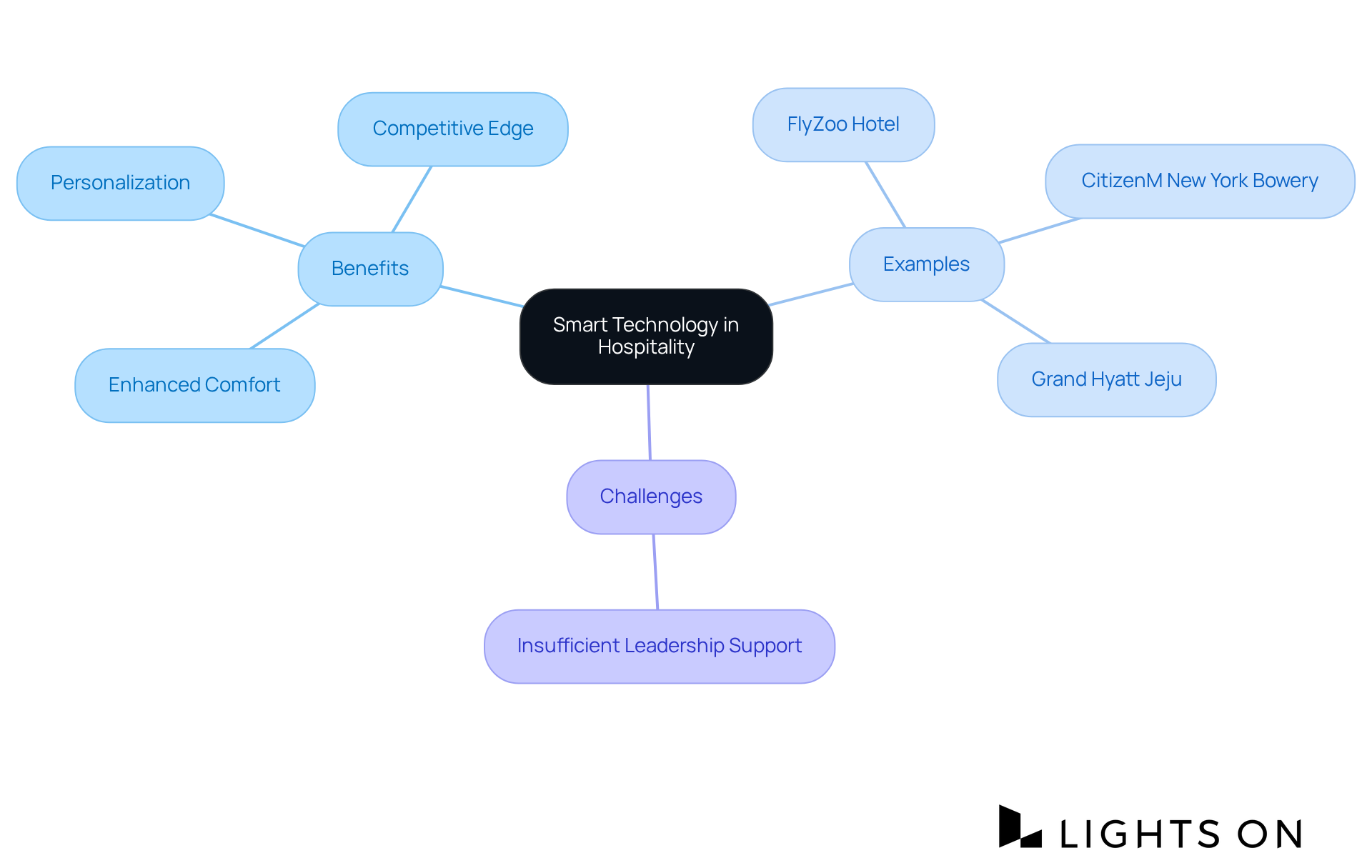
High tech hotel rooms are revolutionizing the hospitality industry with smart technology, featuring automated lighting, climate control, and entertainment systems that are all controllable via smartphones or voice commands. This automation significantly enhances visitor comfort, allowing for personalized adjustments that cater to individual preferences. As a result, guests now expect a more customized and pleasant experience, which is becoming a standard in the sector. In fact, by 2025, 76% of accommodations are anticipated to implement AI, reflecting a broader trend towards automation that not only enhances guest experiences but also helps establishments stand out in a competitive market.
Consider notable examples like:
These innovations streamline operations and foster a sense of luxury and convenience that modern travelers seek in high tech hotel rooms. However, accommodations face challenges in adopting these technologies, with 45% of participants citing insufficient leadership support as a barrier to implementation.
To effectively embrace these advancements, property owners should invest in training and resources, ensuring that staff are equipped to leverage these technologies. By doing so, they can enhance guest satisfaction and maintain a competitive edge in the evolving hospitality landscape.
As intelligent accommodation rooms become increasingly common, the need to safeguard visitor information from cyber threats intensifies. Implementing robust cybersecurity measures is not just advisable; it’s essential. Encryption and secure Wi-Fi networks serve as foundational elements that protect sensitive data. Did you know that 65% of visitors are unlikely to return to an accommodation after experiencing a cyber-attack? This statistic underscores the critical need for establishments to prioritize data security to maintain trust and loyalty among guests.
Furthermore, regular staff training on data protection protocols is vital, as human error continues to be a leading cause of breaches. By fostering a culture of security awareness, accommodations can significantly reduce risks and enhance the overall guest experience. Successful strategies include:
These actions collectively contribute to a resilient cybersecurity posture in the hospitality sector, empowering owners to protect their businesses and their guests.

Energy-efficient technologies are revolutionizing energy management in lodging establishments, particularly through the use of intelligent thermostats and occupancy sensors. These innovative devices automatically adjust heating and cooling based on room occupancy, resulting in significant reductions in utility bills. For instance, hotel managers utilizing the Verdant energy management system can achieve energy savings of up to 20% by reducing HVAC runtime by an average of 45%. Some operators even recoup their initial investment in as little as 12 months. This not only lowers operational expenses but also aligns with sustainability goals, appealing to eco-conscious travelers and enhancing the establishment's brand image as a responsible business.
Furthermore, intelligent thermostats continuously monitor system performance, alerting maintenance crews to any anomalies. This proactive approach allows establishments to address maintenance issues before they escalate, minimizing disruptions for guests. By optimizing HVAC systems, these technologies effectively reduce energy consumption during peak occupancy periods, when energy use can surge. The integration of such systems not only contributes to a smaller carbon footprint but also supports accommodations in achieving their environmental, social, and governance (ESG) objectives, thereby increasing their attractiveness to both visitors and investors.
Successful implementations of smart thermostats have demonstrated their effectiveness in boosting energy efficiency and enhancing occupant comfort. Establishments that have adopted these innovations report fewer complaints and improved visitor satisfaction, leading to greater loyalty and repeat reservations. As the hospitality industry evolves, embracing smart energy management solutions will be essential for maintaining competitiveness and ensuring long-term operational success.

Virtual reality technology is revolutionizing the hospitality landscape by offering immersive experiences that enable establishments to showcase their rooms and amenities through virtual tours. This innovative approach not only allows potential guests to visualize their stay but also enhances the booking process, generating excitement and confidence.
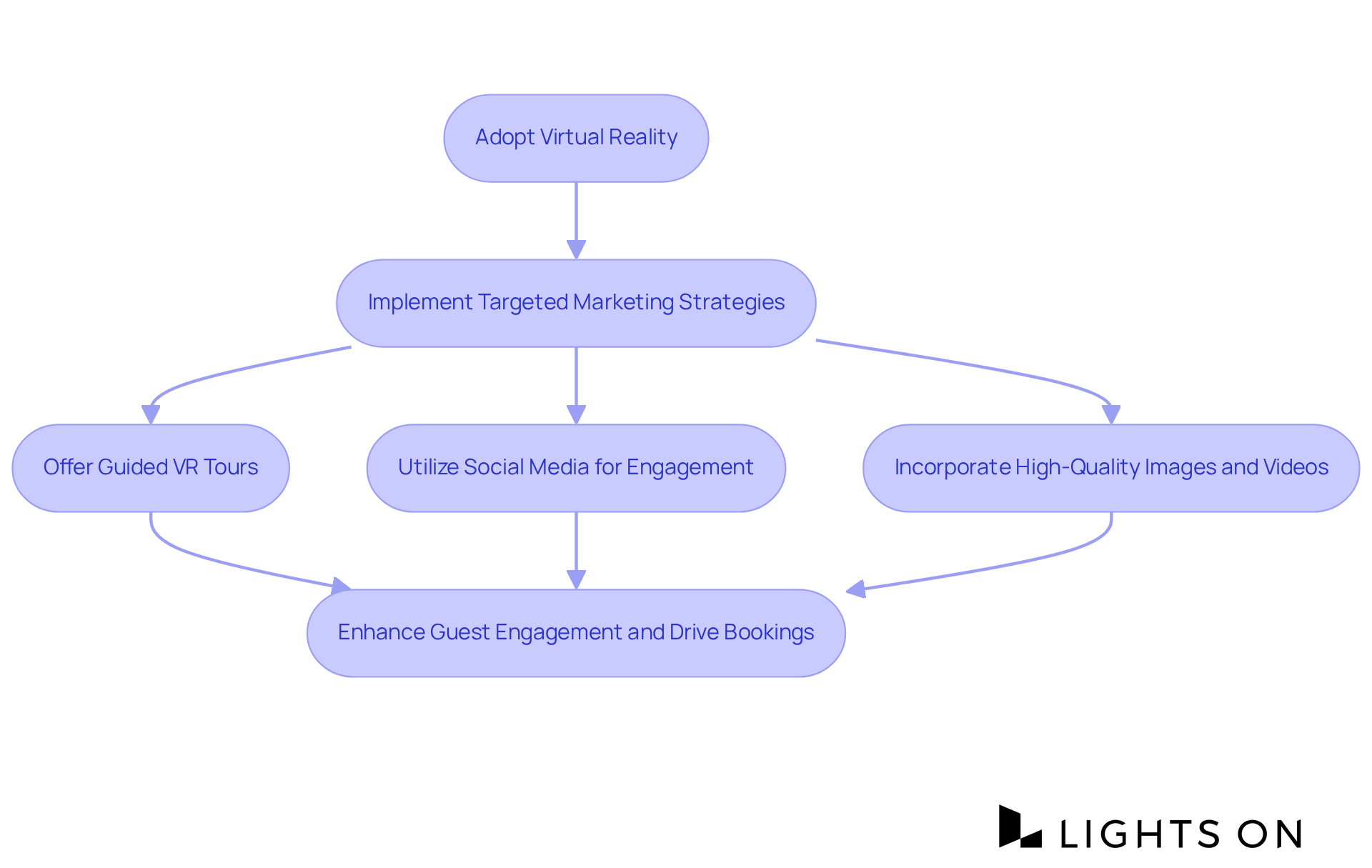
To leverage VR effectively, accommodations should implement targeted marketing strategies. For instance, offering guided VR tours on their websites and utilizing social media platforms to share engaging VR content can significantly boost visibility. Hotels that have embraced VR technology report a remarkable 135% increase in online reservations compared to those relying on traditional marketing methods.
By adopting VR, accommodations can set themselves apart in a competitive market, appealing to tech-savvy travelers seeking unique opportunities. As the demand for immersive interactions grows, incorporating high-quality images and videos into VR marketing strategies becomes essential for attracting and retaining visitors.
In conclusion, the integration of virtual reality in hospitality marketing not only enhances guest engagement but also drives bookings. Are you ready to transform your marketing strategy and embrace the future of hospitality?
Mobile technology has revolutionized how visitors interact with accommodations, significantly enhancing both the booking process and overall experience. With mobile applications, guests can effortlessly manage reservations, check in and out, and request services directly from their devices. This convenience not only boosts visitor satisfaction but also alleviates staff workload, enabling them to focus on delivering exceptional service. In fact, a striking 73% of travelers prefer to book and check in via their smartphones, underscoring the growing demand for mobile solutions in the hospitality sector.
Current trends indicate that accommodations are increasingly embracing mobile applications to elevate visitor interactions. Features like digital room keys and personalized service requests are becoming standard, allowing guests to enjoy a seamless experience. Successful implementations of mobile solutions have shown that accommodations can significantly reduce check-in times - by as much as 80% - and enhance operational efficiency, which is crucial during peak periods such as conventions.
To effectively harness mobile technology, hotel owners should consider implementing targeted marketing strategies. For instance, utilizing push notifications through mobile applications can keep visitors informed about special offers or events, thereby encouraging bookings. Additionally, integrating loyalty programs into mobile platforms can incentivize repeat visits by rewarding patrons for their engagement.
Moreover, the integration of mobile applications into accommodation operations fosters a more personalized visitor experience. Guests can receive tailored recommendations and offers based on their preferences, which not only builds loyalty but also encourages repeat visits. Furthermore, 89% of accommodation managers report saving 2-10+ hours each week with their property management systems (PMS), further illustrating the operational benefits of mobile solutions. However, as accommodations adopt these advancements, they must also address potential concerns related to privacy and consumer comfort with mobile devices. As the hospitality sector continues to evolve, the strategic application of mobile tools will be essential for accommodations aiming to meet the demands of modern travelers.

Facial recognition technology is revolutionizing lodging operations by significantly enhancing security and streamlining check-in processes. By enabling visitors to check in using their facial features, establishments can drastically reduce wait times, allowing individuals to complete the check-in process in mere seconds. This innovation not only expedites the check-in experience but also minimizes reliance on traditional physical keys, thereby reducing the risk of unauthorized access and identity theft.
Furthermore, integrating facial recognition with loyalty programs empowers hotels to offer personalized services tailored to individual customer preferences. For instance, upon arrival, visitors can receive automatic upgrades or dining credits based on their loyalty status, creating a seamless and personalized atmosphere that fosters satisfaction and loyalty. As Vito Fabbrizio, Vice President of Product Management and Innovation, notes, "This smooth interaction not only saves time but also makes visitors feel appreciated from the outset, deepening their connection to the brand."
Successful applications of facial recognition systems have been reported across various lodging chains, with notable increases in favorable visitor feedback. For example, an establishment in Singapore experienced a 30% rise in positive reviews after implementing biometric check-ins, underscoring the system's efficiency in enhancing the overall visitor experience. However, it is crucial for accommodations to address privacy risks associated with biometric data collection to maintain visitor trust. As accommodations continue to adopt this technology, they not only enhance operational efficiency but also position themselves as leaders in providing secure and personalized hospitality services.

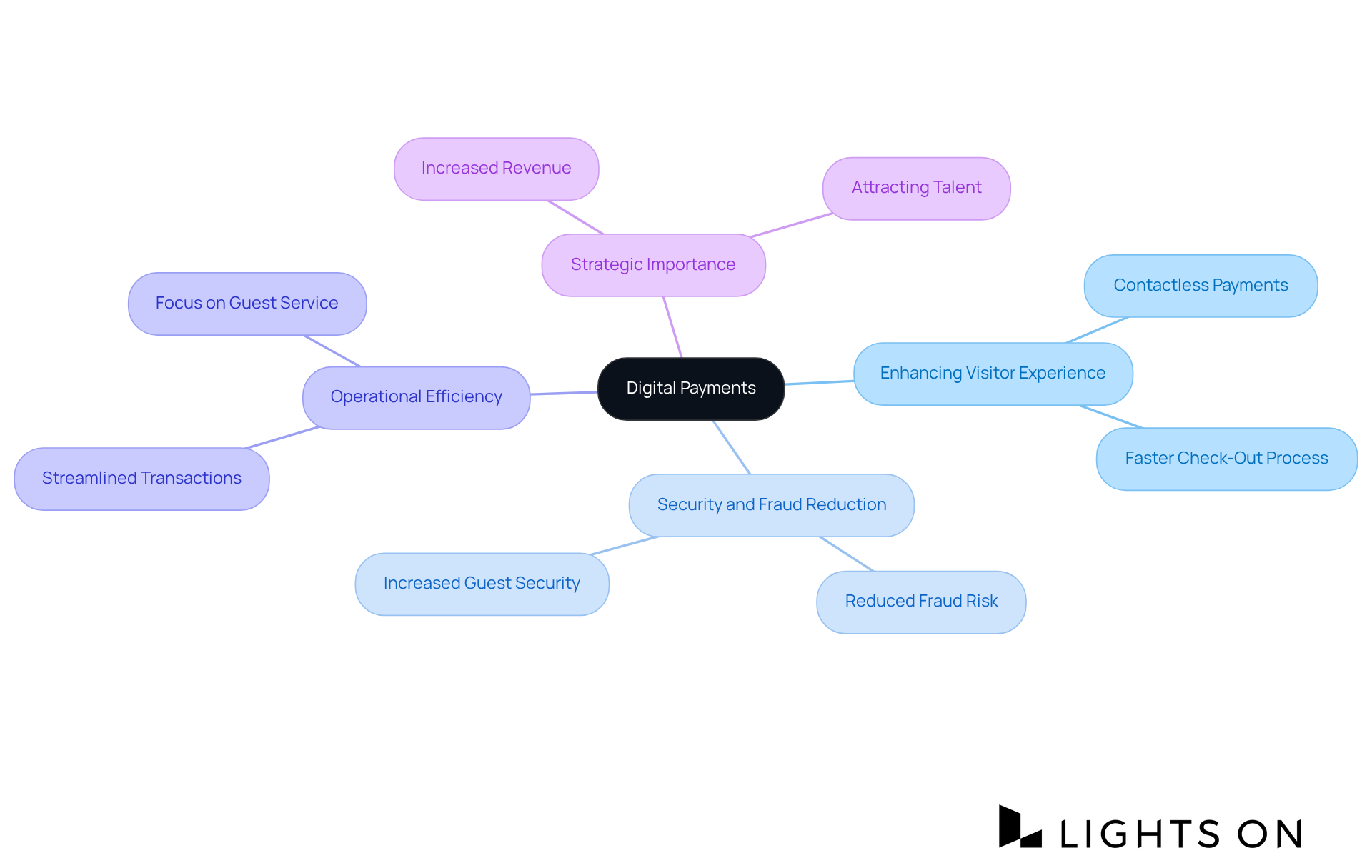
Digital payment systems are revolutionizing the way visitors settle their invoices in accommodations. By offering contactless payment methods, hotels and restaurants can facilitate seamless transactions that significantly enhance the visitor experience. This innovation not only speeds up the check-out process but also reduces the risk of fraud, instilling a sense of security in guests during their stay.
Furthermore, as the hospitality industry evolves, embracing these technologies is no longer optional; it’s essential. Consider the growing demand for convenience and safety among travelers. By adopting digital payment solutions, accommodations can position themselves as forward-thinking establishments that prioritize guest satisfaction.
In addition, the implementation of these systems can lead to increased operational efficiency, allowing staff to focus on delivering exceptional service rather than managing cash transactions. Ultimately, the shift towards digital payments is a strategic move that can drive revenue and foster loyalty among guests.
Predictive analytics harnesses the power of data to anticipate visitor preferences and behaviors, enabling accommodations to tailor their services effectively and enhance marketing strategies. By analyzing booking trends and past behaviors, accommodations can predict specific needs, such as preferred room types or special requests. This proactive approach not only boosts visitor satisfaction but also cultivates loyalty, encouraging repeat visits and ultimately driving bookings.
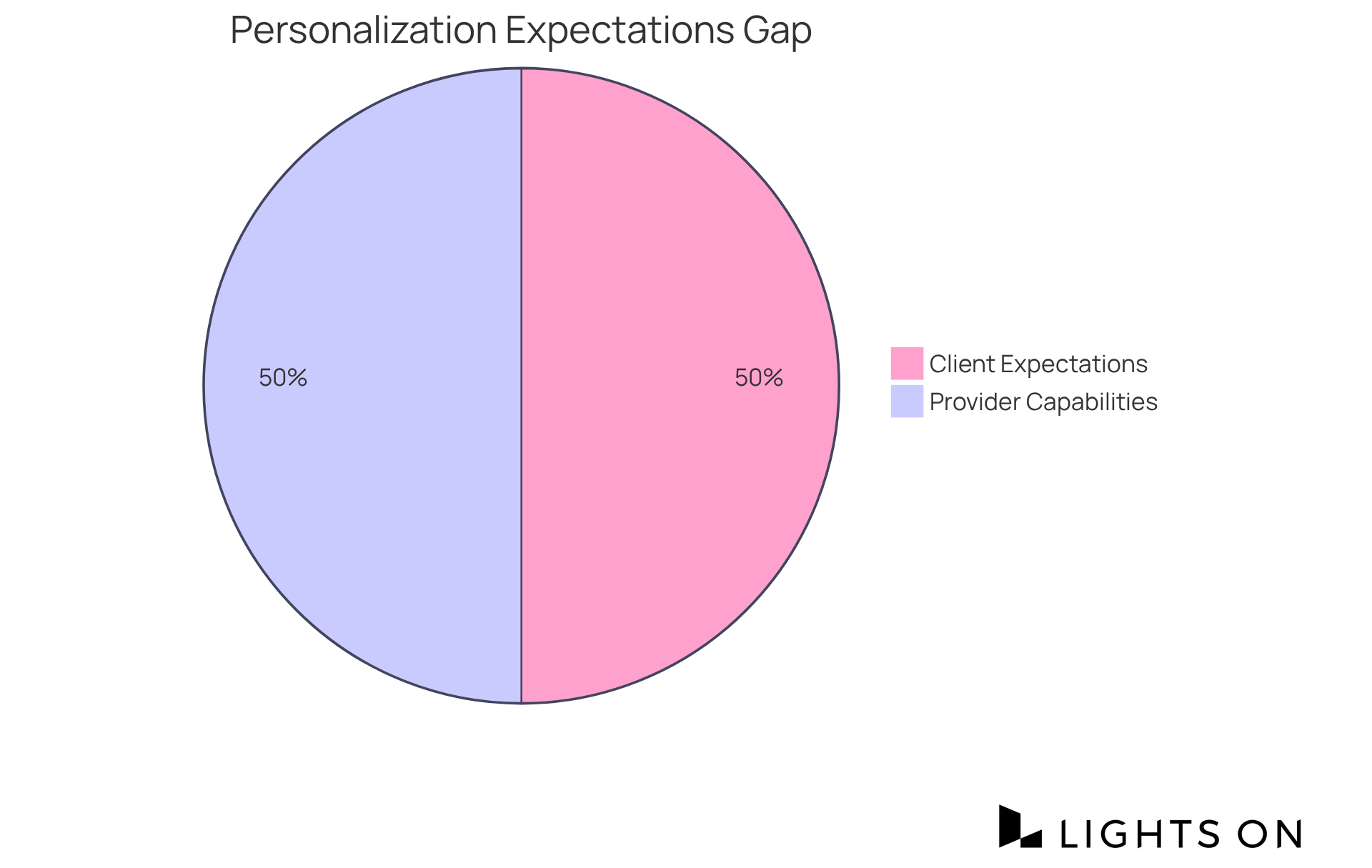
In fact, 71% of clients expect personalized interactions, while 71% of accommodation providers aim to deliver enhanced personalization. This statistic highlights the gap between visitor expectations and lodging capabilities. As the hospitality sector evolves, leveraging predictive analytics is becoming essential for elevating visitor satisfaction and fostering business success.
However, accurately forecasting hotel visitor experiences poses challenges, necessitating ongoing adaptation to shifting preferences. As César Ritz famously advised, hoteliers should never refuse a guest's request, underscoring the critical need to understand and anticipate guest needs. By embracing predictive analytics, accommodations can bridge the gap between expectations and reality, ensuring a more satisfying experience for every visitor.
The evolution of high-tech hotel rooms is fundamentally reshaping the hospitality landscape, driving innovations that significantly enhance guest experiences and operational efficiency. As accommodations increasingly adopt advanced technologies, the integration of smart systems, AI, and data analytics becomes essential to meet the expectations of modern travelers. These innovations not only elevate the guest experience but also empower hotels to optimize their revenue management strategies, ensuring they remain competitive in a rapidly changing market.
Key innovations include:
These innovations illustrate the transformative power of technology in the hospitality sector. The impact of mobile technology, digital payments, and predictive analytics further underscores how each advancement contributes to a more seamless, secure, and personalized stay for guests, ultimately driving satisfaction and loyalty.
As the hospitality industry continues to embrace these innovations, it is crucial for hotel operators to stay informed and proactive in their approach. By investing in technology and training, accommodations can enhance their operational efficiency while creating memorable experiences that resonate with guests. The future of hospitality lies in the ability to adapt and innovate, ensuring that every visitor enjoys a unique and enriching stay. Embracing these advancements is not merely an option; it is a necessity for success in the evolving landscape of high-tech hotel rooms.
What are advanced revenue management solutions in the context of smart hotel rooms?
Advanced revenue management solutions utilize data analytics to optimize pricing for smart accommodations, implementing dynamic pricing strategies that adjust rates in real-time based on market trends and visitor behavior.
How does dynamic pricing benefit accommodations?
Dynamic pricing ensures competitiveness and maximizes revenue by aligning pricing with perceived value, ultimately boosting profitability and enhancing customer satisfaction.
What is the projected growth rate for the global hospitality revenue management and pricing analytics market?
The market is projected to grow at a rate of 12.5% from 2025 to 2033.
What role does artificial intelligence (AI) play in enhancing personalization in hotel services?
AI analyzes visitor preferences and behaviors to customize services, adjust room settings, and provide tailored suggestions, significantly improving operational efficiency and guest satisfaction.
How prevalent is the use of AI in hotels?
A recent survey found that 80% of hotels are either using or planning to implement AI for creating personalized offers, which is essential for client acquisition and loyalty.
What are some strategies hotels can use to leverage AI for marketing?
Hotels can utilize AI analytics to identify guest trends, implement personalized email marketing, and use AI-driven chatbots for inquiries and upselling services during the booking process.
What impact has AI had on the hospitality industry according to hoteliers?
79% of hoteliers report a positive business impact from AI investments, indicating that AI is fundamentally changing the industry.
What is the significance of smart technology in hotel rooms?
Smart technology automates features like lighting, climate control, and entertainment systems, enhancing visitor comfort and allowing for personalized adjustments via smartphones or voice commands.
What is the expected trend for accommodations regarding AI implementation by 2025?
It is anticipated that 76% of accommodations will implement AI, reflecting a broader trend towards automation in the hospitality sector.
What challenges do accommodations face in adopting smart technologies?
45% of participants cite insufficient leadership support as a barrier to the implementation of smart technologies in hotel operations.
How can property owners effectively embrace smart technology advancements?
Property owners should invest in training and resources to ensure staff are equipped to leverage these technologies, enhancing guest satisfaction and maintaining a competitive edge.
Transform your group booking strategies with Lights On and watch your occupancy soar.


.svg)

