The hospitality industry is experiencing a technological renaissance, with innovations fundamentally reshaping how hotels connect with their guests. From artificial intelligence to the Internet of Things, these advancements not only promise to enhance guest experiences but also streamline operations and foster loyalty.
However, as establishments race to adopt these high-tech solutions, a critical question emerges: how can hotels effectively integrate these technologies while ensuring they resonate with the evolving expectations of modern travelers?
This challenge presents an opportunity for hotel and restaurant owners to rethink their strategies and embrace solutions that truly meet the needs of today’s discerning guests.
Lights On employs a data-driven approach to marketing, leveraging analytics to design campaigns that truly resonate with specific target audiences. By analyzing visitor behavior and preferences, accommodations can create personalized interactions that significantly enhance client satisfaction and foster loyalty. For instance, targeted email campaigns based on previous stays have demonstrated a marked increase in engagement and conversion rates, ultimately boosting occupancy and revenue. Notably, Ritz-Carlton experienced a remarkable 30% increase in bookings by aligning their marketing strategies with actual customer behavior, showcasing the tangible benefits of utilizing data analytics.
As the hospitality sector evolves, integrating advanced analytics into marketing strategies becomes essential for establishments striving to deliver unforgettable visitor experiences and maintain a competitive edge. Furthermore, the ability to tailor marketing efforts based on real-time data not only meets customer expectations but also drives repeat business. In addition, by embracing these innovative strategies, hotel and restaurant owners can position themselves as leaders in a rapidly changing market.

Artificial Intelligence (AI) is fundamentally transforming visitor interactions in the hospitality sector, allowing hotel high tech to deliver highly personalized services. The challenge many establishments face is the need for efficient communication and tailored experiences. AI-driven chatbots are accessible 24/7, providing prompt replies to visitor inquiries and significantly enhancing communication efficiency.
Furthermore, AI systems analyze visitor data to offer personalized suggestions, such as room upgrades or local attractions, which elevate the overall experience. For instance, establishments utilizing predictive analytics can foresee visitor requirements, allowing for proactive service provision that boosts satisfaction. This method not only streamlines processes but also fosters a stronger bond between visitors and the establishment, ultimately resulting in enhanced loyalty and positive feedback.
In addition, by employing AI in marketing strategies, accommodations can target prospective visitors more effectively, refining their promotional initiatives and increasing reservations. The integration of AI not only addresses current challenges but also positions hotel high tech to succeed in a competitive landscape. Are you ready to embrace AI and transform your guest interactions?

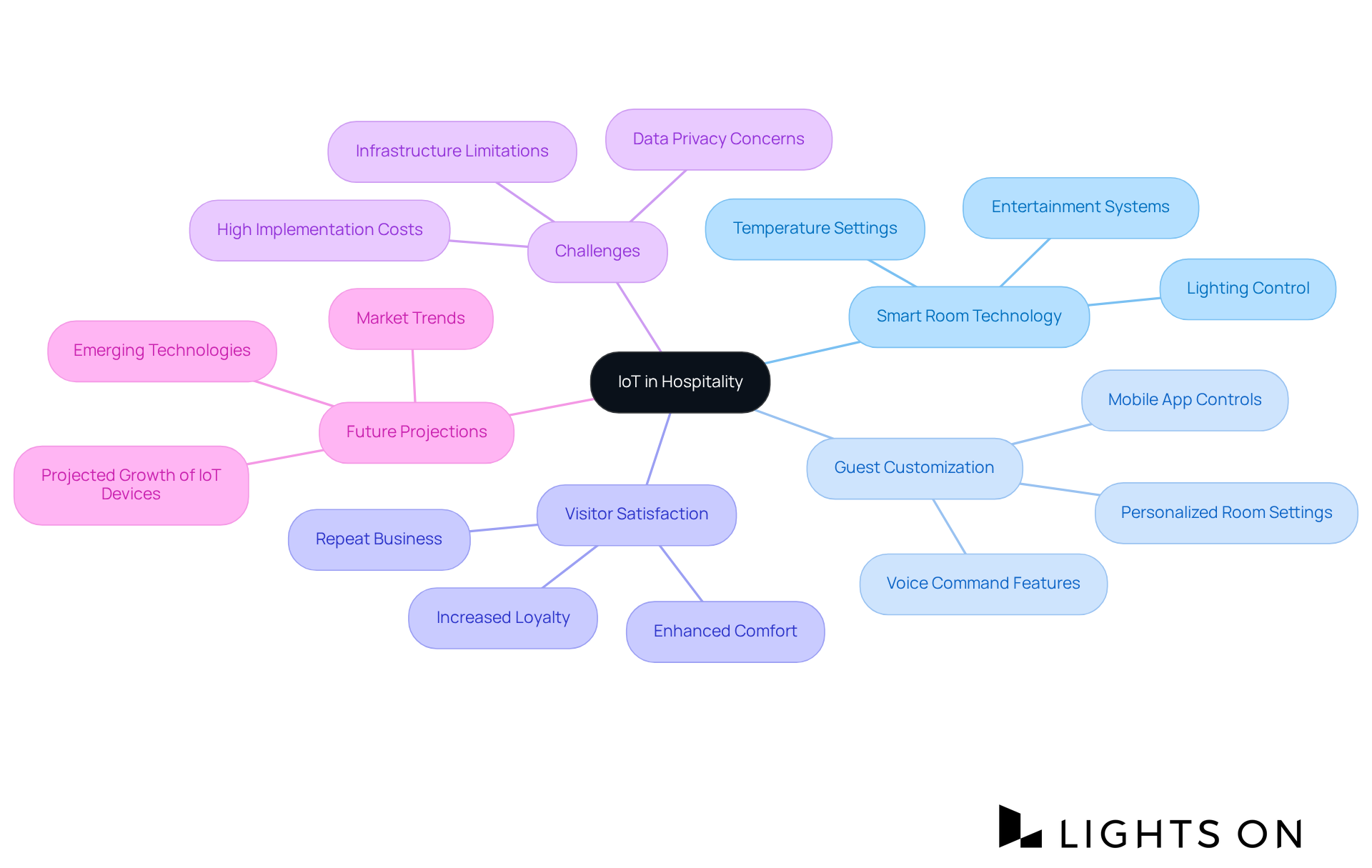
The Internet of Things (IoT) is revolutionizing the hospitality sector, enabling hotel high tech establishments to create intelligent rooms that greatly enhance guest comfort and convenience. Imagine guests in a hotel high tech setting effortlessly controlling room settings, like lighting, temperature, and entertainment systems, using just their smartphones or voice commands. This level of customization not only boosts visitor satisfaction in a hotel high tech but also allows accommodations to gather valuable insights on preferences, which can be leveraged to further personalize services. For example, hotels can adjust room settings based on previous visits, ensuring a familiar and inviting atmosphere that resonates with guests.
Furthermore, the integration of smart room technology in hotel high tech has been shown to elevate visitor satisfaction, aligning perfectly with the growing consumer demand for personalized and convenient experiences. As hotels integrate hotel high tech innovations, they position themselves to not only meet but exceed the expectations of modern travelers, ultimately fostering loyalty and encouraging repeat business. However, it’s crucial to address challenges such as high implementation costs and data privacy concerns to fully harness the benefits of IoT technology.
According to industry experts, the number of connected IoT devices is projected to surge by 13%, reaching a staggering 18.8 billion globally by 2024. This statistic underscores the critical role of IoT technology in the hospitality sector. Are you ready to embrace this transformation and elevate your guest experience?
Contactless technology has emerged as a pivotal solution for enhancing visitor safety and convenience in the hospitality sector. Hotel high tech establishments are increasingly adopting mobile check-in and check-out systems, enabling guests to bypass the front desk entirely. This innovation not only streamlines the arrival process but also minimizes physical contact, addressing health concerns effectively.
Moreover, in a hotel high tech setting, digital keys empower guests to access their rooms using their smartphones, further reducing the need for physical interactions. In addition, contactless payment methods simplify transactions, making the overall experience smoother and more efficient. This technology not only adheres to current health standards but also meets the growing demand for convenience among travelers.
As hotel and restaurant owners navigate these challenges, embracing hotel high tech contactless solutions is essential for staying competitive in today's market.

Data analytics is essential for personalizing visitor experiences in the hospitality industry. By examining booking patterns, feedback, and preferences, accommodations can uncover valuable trends and adjust their offerings accordingly. For example, if data reveals that guests frequently request extended check-outs, properties can implement flexible check-out policies to enhance satisfaction.
Furthermore, analytics can inform targeted marketing strategies, allowing accommodations to reach specific demographics with tailored promotions. This approach not only drives bookings but also boosts revenue. Are you ready to leverage data analytics to transform your guest experiences and increase your bottom line?

Sustainability technology is increasingly shaping guest choices in the hospitality sector. Hotels are adopting eco-friendly practices, such as:
By effectively showcasing these sustainable efforts, accommodations can significantly boost their appeal to environmentally conscious travelers. For instance, implementing a robust recycling program or utilizing renewable energy sources not only demonstrates a commitment to sustainability but also aligns with the preferences of 83% of travelers who prioritize eco-friendly accommodations.
To leverage sustainability in marketing, accommodations should:
This strategic focus on sustainability can lead to higher bookings, as establishments that adopt such practices have reported an average revenue growth of 12% compared to their conventional counterparts, according to the Global Sustainable Tourism Report 2023.
However, it’s crucial to acknowledge the challenges accommodations may face in adopting these sustainable practices, such as substantial initial investments and the need to balance profitability with environmental obligations. As consumer demand for responsible travel choices continues to rise, incorporating sustainability into accommodation operations is not just beneficial for the environment; it’s essential for attracting and retaining visitors.

Mobile integration is revolutionizing how visitors interact with hotel high tech, offering unparalleled convenience and engagement. With mobile applications, guests can easily access a range of services - from room service to spa reservations and concierge support - right from their smartphones. In a hotel high tech, features like mobile check-in and digital room keys allow guests to bypass traditional check-in procedures, significantly boosting their overall satisfaction.
Furthermore, hotels can leverage mobile platforms to deliver personalized promotions and timely updates, keeping guests engaged throughout their stay. This seamless access not only elevates guest satisfaction but also enhances operational efficiency, enabling establishments to respond swiftly to guest needs and preferences. As 91% of hotel executives affirm, mobile technologies are crucial for enhancing guest experiences in a hotel high tech setting and fostering loyalty.
In addition, the rise of contactless options and the adoption of mobile technology directly address ongoing staff shortages in the hospitality sector, underscoring the operational benefits of these innovations. Moreover, 70% of guests find chatbots useful for handling simple inquiries, illustrating how mobile apps can enhance interactions and streamline communication.

The integration of robotics and automation in hotel high tech operations is revolutionizing service delivery, significantly enhancing visitor experiences. Robotic concierges streamline check-in processes, while automated room delivery ensures prompt and effective assistance. For instance, hotels employing robots for cleaning not only uphold rigorous hygiene standards but also allow staff to focus more on meaningful guest interactions. This dual strategy boosts operational efficiency and enriches the overall visitor experience by providing consistent and timely support.
As the hospitality sector increasingly embraces hotel high tech, with 60% of hotels and 70% of travel firms planning to implement AI in the near future, the emphasis remains on crafting memorable interactions that prioritize guest satisfaction. Matthew Casella aptly notes, "Automation is not about replacing humans in the assistance sector. It’s about providing a portfolio of robotics that allow businesses to deliver the value we humans crave." Furthermore, in light of ongoing labor shortages, adopting these technologies is becoming essential for maintaining high service standards.

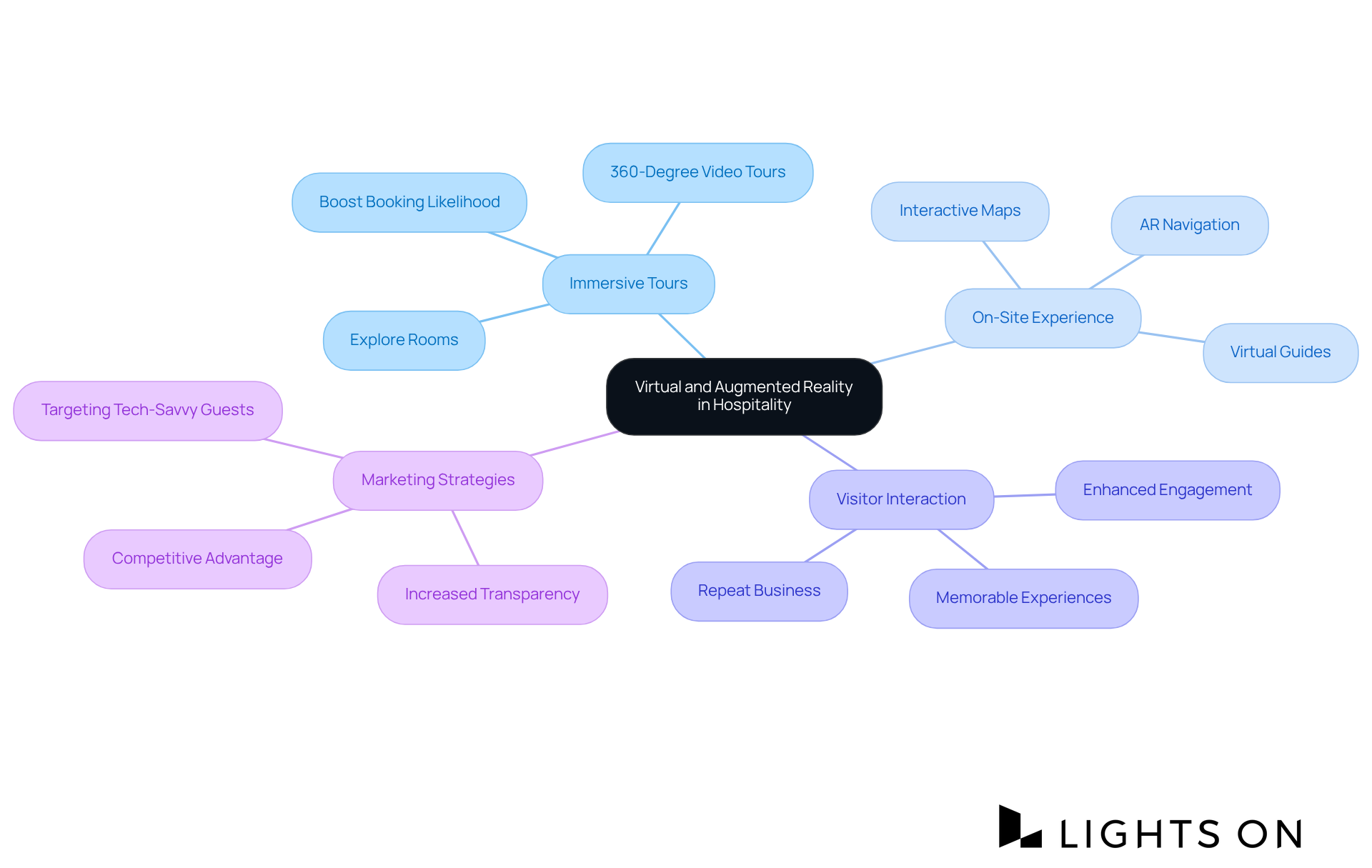
Virtual and augmented reality (VR and AR) are revolutionizing the way accommodations engage with their visitors. Imagine being able to take an immersive tour of a hotel or resort from the comfort of your home. VR technology allows potential guests to explore rooms and amenities before making a reservation, significantly enhancing their decision-making process.
Furthermore, AR applications elevate the on-site experience by offering interactive maps and detailed information about accommodation services. For instance, guests can use AR to navigate expansive properties or access additional insights about local attractions. This not only enriches the visitor experience but also empowers establishments to stand out in a competitive market.
In addition, these technologies foster deeper visitor interaction, creating a memorable experience that encourages repeat business. By integrating VR and AR into their marketing strategies, accommodations can effectively address the challenges of attracting and retaining guests.
Ultimately, embracing these innovative solutions positions establishments as leaders in the hospitality industry, ready to meet the evolving expectations of modern travelers.
In the current digital landscape, cybersecurity stands as a critical priority for accommodations. With the frequency of data breaches and cyber threats on the rise, protecting guest information is essential - not just for maintaining trust but also for ensuring compliance with ever-evolving regulations. Did you know that the average cost of a hospitality breach has soared to $3.82 million? This staggering figure highlights the financial repercussions of inadequate cybersecurity measures.
To effectively safeguard sensitive data, accommodations must adopt a multi-faceted approach. This includes implementing robust security measures such as:
Furthermore, training staff on cybersecurity best practices is equally vital. Employees often serve as the first line of defense against potential breaches. Alarmingly, 70% of accommodation personnel have access to sensitive systems without consistent cybersecurity training, and nearly half of establishments admit their staff can’t confidently detect AI-powered threats. By enhancing awareness and skills, accommodations can significantly reduce the risk of human error leading to security incidents.
By prioritizing these cybersecurity initiatives - such as regular software updates to prevent exploitation of vulnerabilities - hotels can not only protect guest data but also bolster their reputation as secure and trustworthy establishments. Ultimately, this commitment enhances the overall guest experience, inviting guests to feel safe and valued during their stay.

The integration of high-tech innovations in the hospitality industry is fundamentally reshaping how hotels enhance guest experiences. By leveraging advanced technologies such as AI, IoT, and data analytics, establishments can create personalized interactions, streamline operations, and elevate overall guest satisfaction. These innovations not only meet the evolving expectations of travelers but also position hotels as leaders in a competitive market.
Key insights from the discussion underscore the importance of data-driven marketing strategies, which have proven to significantly boost engagement and bookings. The use of AI for personalized service delivery and the implementation of IoT for smart room experiences further illustrate how technology can create a seamless and enjoyable stay. Furthermore, contactless solutions and robust cybersecurity measures are essential for ensuring guest safety and trust in the digital age.
As the hospitality sector continues to evolve, embracing these technological advancements is not merely an option but a necessity for success. Hotels that prioritize innovation and adaptability will not only attract and retain guests but also set new standards for exceptional service. The future of hospitality lies in the ability to blend technology with personalized care, creating memorable experiences that keep guests coming back.
What is the main focus of Lights On's marketing strategy?
Lights On employs a data-driven approach to marketing, leveraging analytics to design campaigns that resonate with specific target audiences, enhancing client satisfaction and fostering loyalty.
How does Lights On personalize guest interactions?
By analyzing visitor behavior and preferences, accommodations can create personalized interactions, such as targeted email campaigns based on previous stays, leading to increased engagement and conversion rates.
Can you provide an example of a successful data-driven marketing strategy?
The Ritz-Carlton experienced a 30% increase in bookings by aligning their marketing strategies with actual customer behavior, showcasing the benefits of utilizing data analytics.
Why is integrating advanced analytics into marketing strategies important for the hospitality sector?
It is essential for establishments to deliver unforgettable visitor experiences and maintain a competitive edge by tailoring marketing efforts based on real-time data.
How does Artificial Intelligence (AI) enhance guest interactions in the hospitality sector?
AI transforms visitor interactions by providing highly personalized services, such as 24/7 chatbot support for inquiries and personalized suggestions based on visitor data.
What are some benefits of using AI in hospitality operations?
AI-driven systems streamline processes, enhance communication efficiency, foresee visitor requirements, and boost satisfaction, ultimately fostering stronger bonds between visitors and establishments.
How can AI improve marketing strategies for accommodations?
By employing AI, accommodations can target prospective visitors more effectively, refining promotional initiatives and increasing reservations.
What role does the Internet of Things (IoT) play in enhancing guest comfort?
IoT enables the creation of smart rooms where guests can control room settings like lighting and temperature via smartphones or voice commands, greatly enhancing comfort and convenience.
How does smart room technology benefit hotels?
It allows accommodations to gather insights on guest preferences, enabling them to personalize services and ensure a familiar atmosphere during repeat visits.
What challenges do hotels face when integrating IoT technology?
Key challenges include high implementation costs and data privacy concerns that need to be addressed to fully harness the benefits of IoT technology.
What is the projected growth of IoT devices in the hospitality sector?
The number of connected IoT devices is expected to surge by 13%, reaching approximately 18.8 billion globally by 2024, highlighting its critical role in the industry.
Transform your group booking strategies with Lights On and watch your occupancy soar.


.svg)

