This article highlights crucial SEO strategies that hotels can implement to enhance their visibility in a competitive market. It underscores the significance of:
Each strategy is supported by data and examples that illustrate their effectiveness in increasing online presence and driving bookings. By adopting these practices, hotel owners can effectively navigate the complexities of digital marketing and secure a stronger foothold in the industry.
In an increasingly competitive hospitality landscape, hotels must leverage digital visibility to attract guests and drive bookings. By implementing essential SEO strategies, accommodations can enhance their online presence, streamline their marketing efforts, and ultimately boost revenue. Furthermore, with ever-evolving search engine algorithms and consumer behaviors, how can hotels effectively navigate these challenges to ensure they remain at the forefront of travelers' minds? It is imperative for hotels to adopt a proactive approach that not only addresses these dynamics but also positions them as leaders in the market.
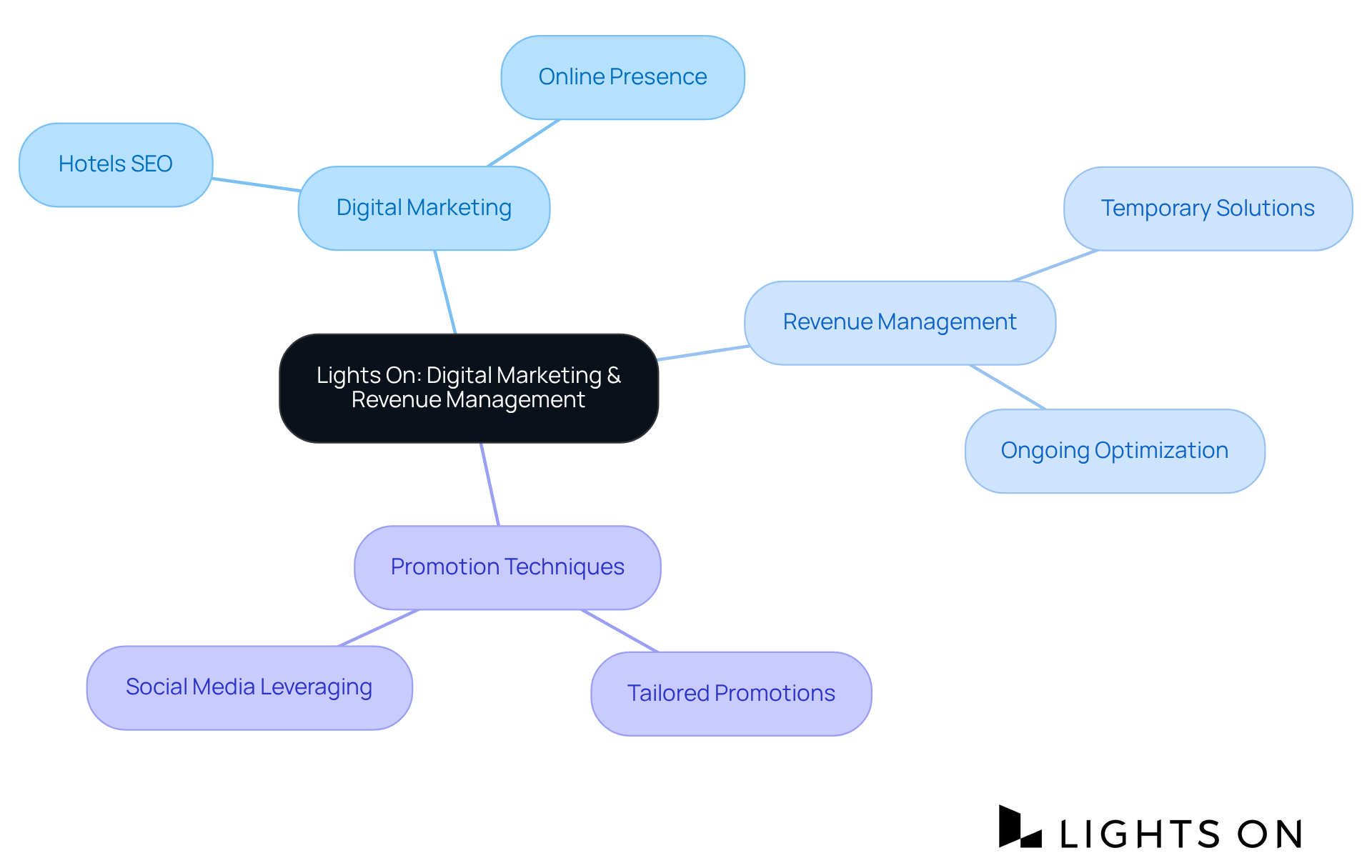
Lights On specializes in digital marketing and hotels SEO tailored for the hospitality sector. By harnessing data-informed insights, they empower accommodations and dining establishments to enhance their visibility and maximize revenue streams with effective hotels SEO. Their comprehensive services, including temporary revenue management solutions that address the daily responsibilities of a revenue manager, ensure ongoing optimization during staffing transitions. This capability enables establishments to sustain performance even when essential personnel are absent.
Furthermore, Lights On's effective lodging promotion techniques, which include hotels SEO as one of the three essential methods for increasing reservations, equip clients to navigate the competitive landscape with efficiency. With an impressive average year-over-year revenue growth of 47% and a proven track record of elevating occupancy rates, Lights On emerges as a strategic partner for hospitality businesses striving to excel in a crowded market.
To further capitalize on the advantages of Lights On's services, accommodation proprietors should consider adopting that align with their unique brand identity and guest preferences. This includes:
To effectively attract potential guests, it is essential to begin by identifying the keywords they use when searching for accommodations through hotels SEO. Utilize powerful tools such as to uncover high-volume, low-competition keywords. Focus on long-tail keywords that address specific inquiries, such as 'luxury accommodations in [location]' or 'family-friendly lodgings near [attraction].' This focused hotels SEO strategy not only enhances your establishment's visibility in relevant searches but also attracts qualified traffic to your website. In fact, long-tail keywords can receive 1.76 times more clicks than shorter keywords, making them crucial for successful accommodation marketing.
Regularly updating your content is vital for maintaining relevance and improving search engine rankings. For instance, hotels SEO that have adopted long-tail keyword approaches have reported significant increases in organic traffic and reservations. By concentrating on these specific phrases, you can better align your offerings with the needs of your target audience, ultimately leading to higher conversion rates and improved occupancy.
Furthermore, consider utilizing hotels SEO techniques, such as optimizing your Google My Business listing and encouraging guest reviews, to further enhance your online presence. Begin applying these keyword strategies today to boost your establishment's visibility and attract more guests.

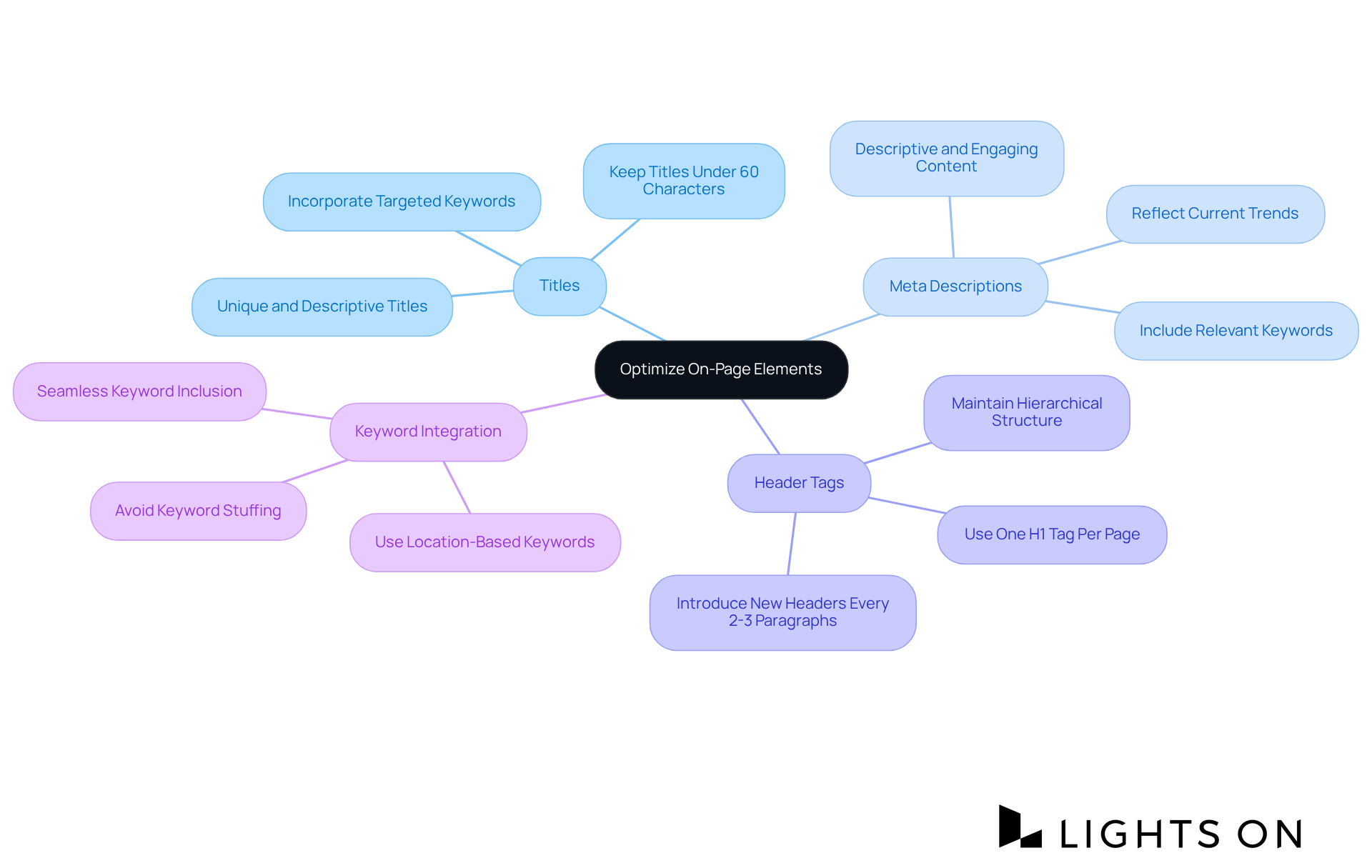
To enhance your establishment's online visibility with hotels SEO, it is imperative that each page features unique and descriptive titles and meta descriptions, incorporating targeted keywords. This strategy not only aids search engines in comprehending your material but also improves hotels SEO by clearly communicating the offerings of your hotel to prospective guests. For instance, rather than using a generic title like 'Welcome to Our Hotel,' opt for a more descriptive title such as 'Luxury Beachfront Hotel in Miami - Book Your Stay Today!'
Header tags (H1, H2, H3) play a crucial role in logically organizing your content, enabling search engines to effectively understand the hierarchy of information. Utilizing an for the primary title of the page establishes the framework for the content that follows, while H2 and H3 tags can segment sections into manageable parts, thereby improving user experience and engagement. It is essential that each page contains only one H1 tag to prevent confusion for search engines.
Integrating appropriate keywords seamlessly within your content is vital for enhancing its relevance and readability. This approach not only supports achieving a higher position on search engine results pages but also ensures that your material resonates with potential guests. For example, if your accommodation is located near a well-known tourist attraction, include phrases such as 'near [Attraction Name]' in your content.
Regularly updating your titles and meta descriptions to reflect current trends and keywords can further bolster your establishment's visibility. Moreover, headers should ideally be concise, under 60 characters, for clarity, facilitating navigation for both users and search engines. By focusing on these on-page elements and considering hotels SEO tactics, such as incorporating location-based keywords, accommodations can significantly enhance their potential for attracting more direct reservations while reducing reliance on online travel agencies. Conducting quarterly or annual SEO audits with a specialist can also identify areas for improvement and ensure sustained effectiveness.
Claiming and optimizing your Google My Business listing is essential for [boosting local visibility with hotels SEO](https://goodreads.com/quotes/tag/hotel-marketing). It is crucial to ensure that your establishment's name, address, phone number, and operating hours are accurate and up-to-date.
Positive reviews from satisfied guests significantly influence hotels SEO; in fact, 70.9% of travelers indicate that online reputation impacts their accommodation choices. Encourage guests to share their experiences, as 93% of consumers read online reviews before making a purchase decision. The most effective method for from travelers is via email, which boasts a remarkable 41% conversion rate.
Furthermore, developing localized content that highlights nearby attractions and events can improve your hotels SEO, positioning your establishment as the ideal choice for visitors. For instance, hotels SEO that effectively emphasize local experiences in their GMB listings often observe heightened engagement and increased reservations.
By incorporating these approaches—such as prompt replies to reviews, especially considering that the typical response rate for accommodations is only about 40%—you can enhance your establishment's online visibility and attract more local visitors. Consider implementing a follow-up email strategy to request reviews shortly after a guest's stay, and actively engage with all reviews, both positive and negative, to demonstrate your commitment to guest satisfaction.

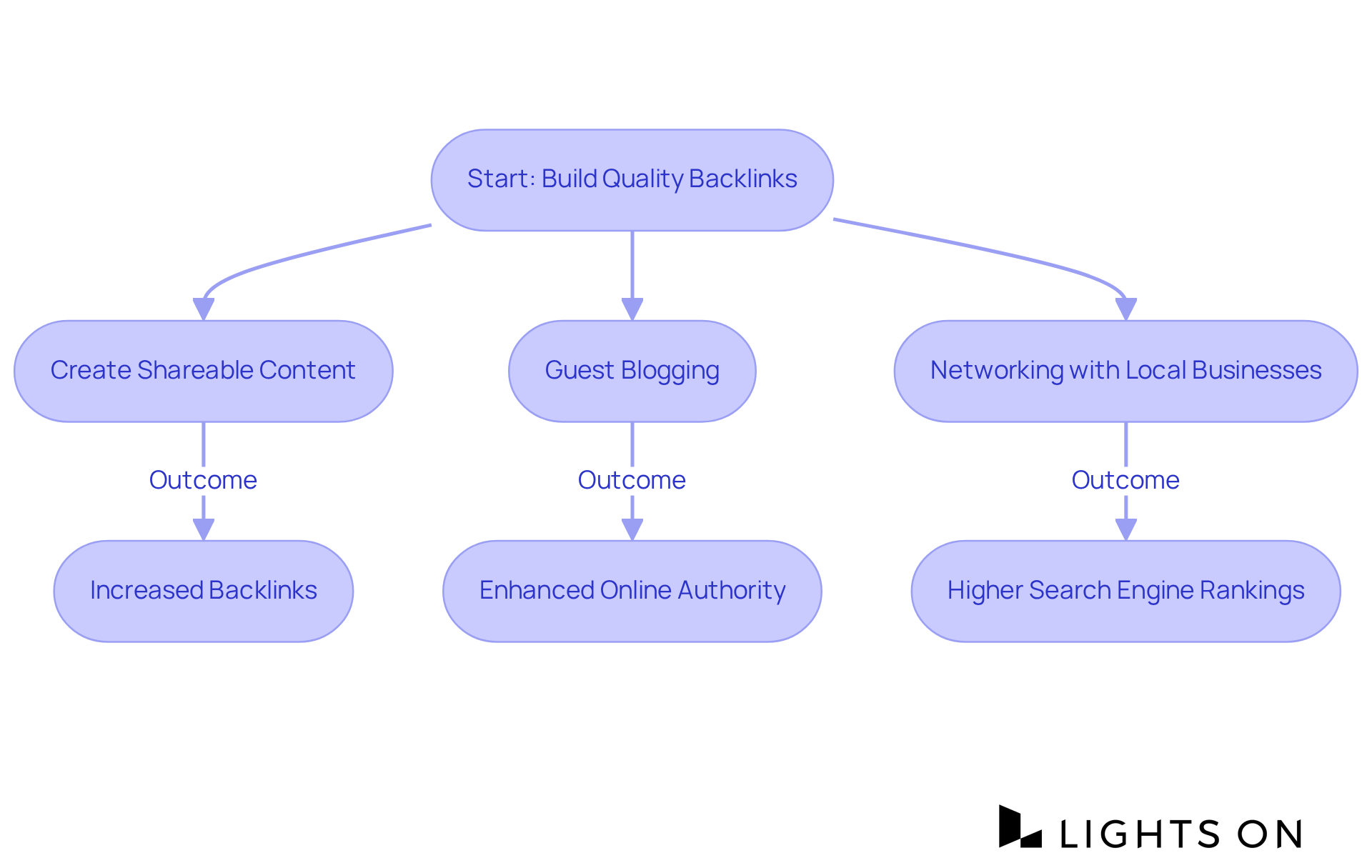
Obtaining quality backlinks from reputable travel blogs, local tourism sites, and industry publications is crucial for enhancing your establishment's online authority. This can be accomplished by creating , such as infographics or comprehensive guides, that others will find valuable enough to link to. Guest blogging on relevant sites not only establishes your authority but also provides valuable backlinks that can improve your search engine rankings. Additionally, networking with local businesses can lead to mutually beneficial backlink opportunities, further strengthening your online presence.
The significance of backlinks in hotels SEO cannot be overstated. Hotels SEO indicates that hotels which consistently invest in building high-quality backlinks witness marked improvements in their online visibility and authority. For instance, a high-end city accommodation experienced a remarkable 120% boost in organic traffic and a 45% increase in direct reservations within six months after implementing a targeted SEO strategy centered on backlinks. Furthermore, establishments that consistently invest in SEO see up to 35% more direct bookings within 12 months.
Experts emphasize that backlinks are a cornerstone of effective hotels SEO strategies. As noted by industry professionals, "Ignoring SEO in 2025 means leaving bookings — and revenue — on the table." Moreover, the average count of backlinks for top-ranking accommodation websites serves as a critical metric; 75.33% of SEO specialists create guest posts to gain backlinks, highlighting a common strategy for obtaining quality backlinks. By focusing on establishing a robust backlink profile and nurturing connections, accommodations can enhance their online authority and attract more qualified leads ready to book.
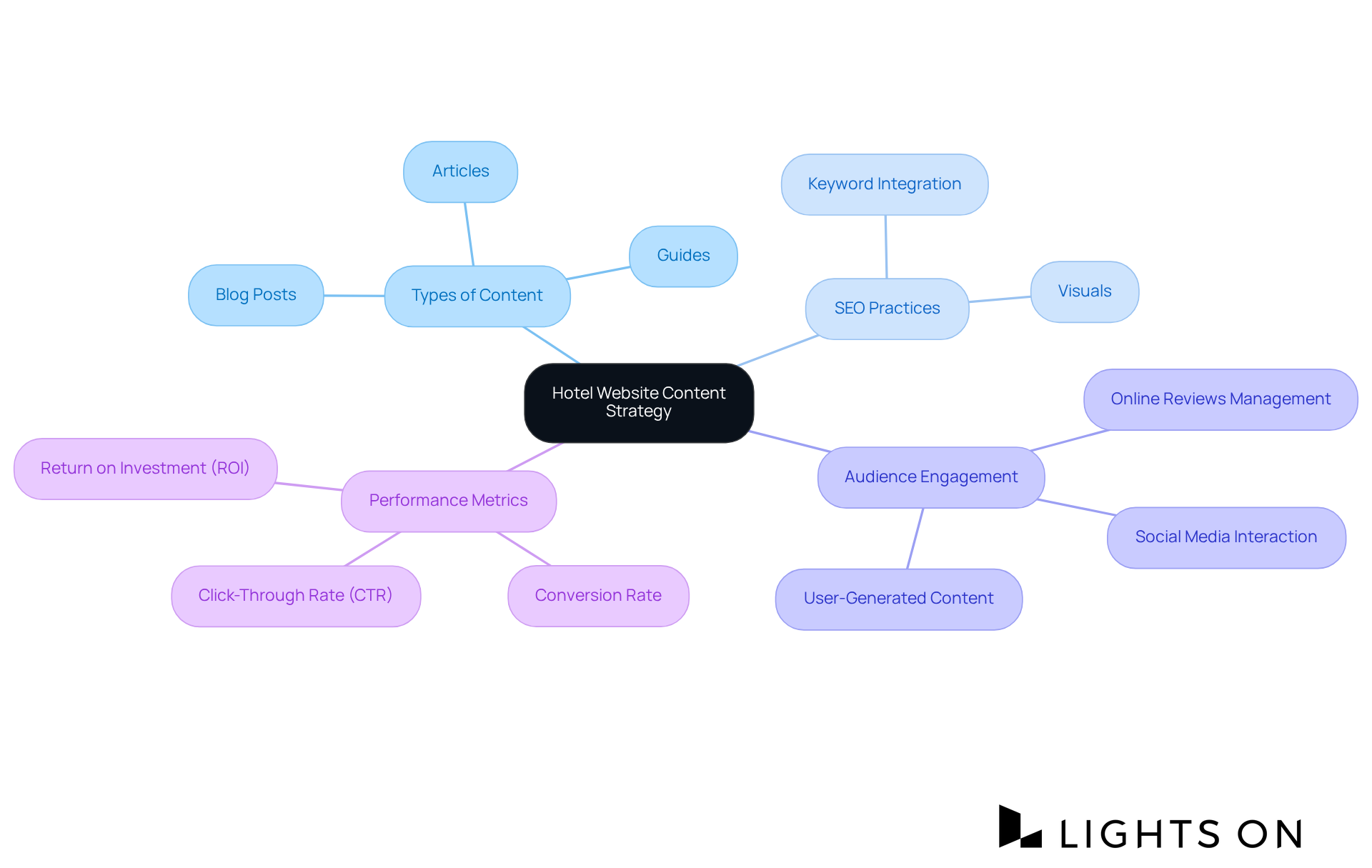
To enhance your establishment's online visibility, it is essential to develop a that includes blog posts, articles, and guides tailored for your target audience. Focus on topics that resonate with prospective visitors, such as:
This approach not only addresses common inquiries but also positions your hotel as an invaluable resource.
Ensure your content is optimized for hotels SEO by integrating relevant keywords that potential guests are likely to search for. Engaging visuals are imperative; high-quality images can lead to a 15% higher conversion rate, making them crucial for attracting bookings. Additionally, incorporating internal links to other pages on your site enhances navigation and keeps visitors engaged for longer periods.
Industry leaders emphasize the significance of consistent and engaging content. A well-defined hospitality marketing strategy transforms fragmented posts into a cohesive narrative, boosting brand awareness and directing travelers to your booking engine instead of third-party platforms.
Moreover, while the average engagement rate for lodging blog posts can vary, aiming for a click-through rate (CTR) above 1% is advisable. Experimenting with creative copy and layout can yield positive results. Furthermore, with 72% of travelers considering online reviews as vital in their booking decisions, managing your online reputation must be a critical aspect of your content strategy. By focusing on these strategies, hotels SEO can effectively enhance their online visibility and drive more direct reservations.
Regularly auditing your website for technical SEO issues is crucial. Identify common problems such as:
Tools like are invaluable for pinpointing and rectifying these issues. Furthermore, ensure that your website has an SSL certificate for security; HTTPS is essential not only for maintaining high rankings but also for protecting user data. In addition, creating an XML sitemap can significantly aid search engines in navigating your site more efficiently.

To effectively monitor and enhance your establishment's , leverage tools such as Google Analytics and SEMrush. These platforms allow you to track essential metrics, including:
Consistently assessing your keyword rankings is crucial; research indicates that hotels can experience an average organic traffic boost of 40% after applying targeted SEO techniques. Furthermore, consider integrating local SEO tactics, such as:
to further elevate your visibility. Adjust your content and marketing strategies based on performance data to ensure alignment with user intent and search behavior. As digital marketing experts emphasize, a proactive approach to SEO not only helps you stay ahead of competitors but also solidifies your visibility in a crowded market. By continuously refining your strategies, including the adoption of emerging SEO trends, you can maximize engagement and drive more bookings.

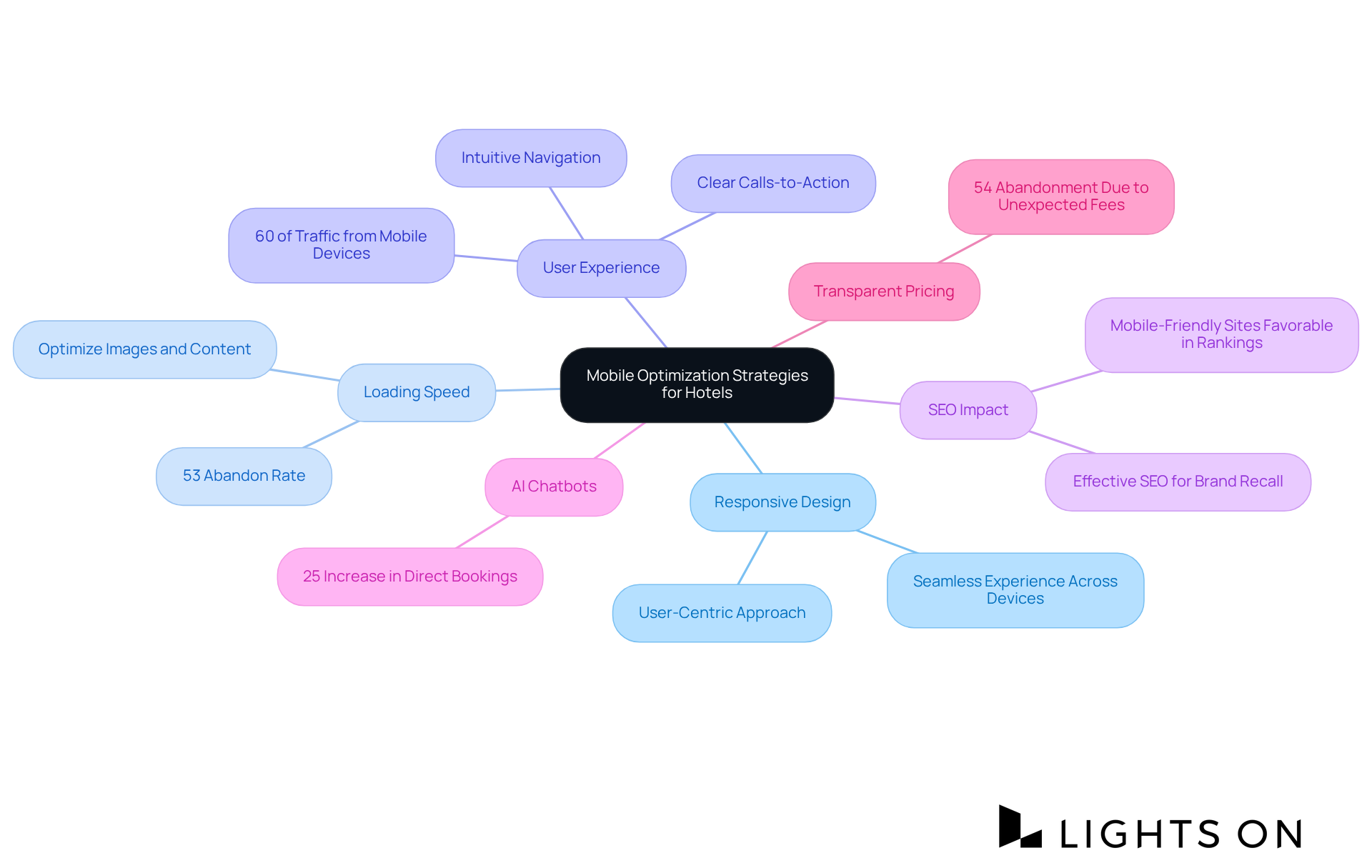
To ensure your accommodation website excels in today's digital landscape, creating a fully that delivers a seamless experience across all devices is essential. Prioritize mobile optimization by enhancing images and content for faster loading times; studies indicate that 53% of mobile users abandon sites that take longer than three seconds to load. Implement intuitive navigation and clear calls-to-action to streamline the booking process, as Google favors mobile-friendly sites in search rankings, significantly impacting visibility.
Effective marketing approaches, such as those promoted by Lights On, emphasize that a mobile-friendly design is not merely a trend but an essential requirement. As Paul M. Rand states, effective SEO is about being unforgettable, starting with a user-centric approach. Hotels that enhance their mobile user experience can anticipate increased traffic and higher conversion rates. For instance, accommodations employing AI chatbots have reported a 25% increase in direct bookings, while those emphasizing direct booking advantages observe a 20% higher conversion rate, illustrating the tangible benefits of investing in mobile-friendly features.
Moreover, with mobile devices accounting for around 60% of online travel traffic, the importance of optimizing for mobile cannot be overstated. Additionally, 54% of travelers abandon bookings due to unexpected fees, underscoring the necessity for clear calls-to-action and transparent pricing. By implementing these strategies, accommodations can not only enhance their online visibility through hotels SEO but also cultivate stronger connections with guests, ultimately boosting revenue growth in a competitive market.
To maintain a competitive edge in the hospitality industry, staying informed about the and algorithm changes is crucial. Regularly following industry blogs, attending webinars, and participating in SEO forums provides valuable insights into evolving best practices. Subscribing to newsletters from reputable SEO experts and organizations ensures timely updates on new developments. For instance, 96% of hoteliers are investing in contactless technology this year, reflecting a broader trend toward integrating innovative solutions that enhance guest experiences. By actively modifying your approaches based on these insights, your establishment can effectively navigate the intricacies of search engine rankings.
Industry leaders emphasize that understanding user intent and focusing on relevant, specific keywords are essential for driving targeted traffic. As Matt McGee notes, 'Growing a long-tail of target search terms around local or niche areas is one of the best ways to build SEO success progressively.' This approach not only improves visibility but also aligns with the changing expectations of travelers who prioritize personalized experiences.
Additionally, incorporating local SEO strategies is vital for hotels targeting specific areas, ensuring that your content resonates with potential guests. Staying updated is not merely about keeping pace; it’s about leveraging knowledge to create a sustainable competitive advantage in a rapidly evolving market.

In the competitive landscape of the hospitality industry, implementing effective SEO strategies is crucial for hotels seeking to enhance their visibility and attract more guests. By adopting a comprehensive approach that encompasses keyword research, on-page optimization, local SEO, and quality content creation, hotels can significantly improve their online presence. The importance of staying updated with the latest trends and best practices cannot be overstated, as it directly impacts a hotel's ability to engage with potential customers and drive bookings.
Key strategies have been highlighted throughout this article, including:
Furthermore, building quality backlinks and creating engaging, SEO-friendly content are essential components that contribute to a hotel's online authority and visibility. Regularly monitoring SEO performance and adjusting strategies based on data insights ensures that hotels remain competitive and responsive to changing market dynamics.
Ultimately, the success of a hotel in the digital realm hinges on its ability to effectively implement these SEO strategies. By prioritizing these practices, hotel operators can not only enhance their visibility but also foster stronger connections with potential guests, leading to increased direct bookings and revenue growth. Embracing these essential SEO strategies will empower hotels to navigate the complexities of the digital landscape and secure a prominent position in the market.
What services does Lights On provide for hotels?
Lights On specializes in digital marketing and hotels SEO tailored for the hospitality sector, offering comprehensive services that include temporary revenue management solutions and effective lodging promotion techniques.
How does Lights On help hotels enhance visibility and revenue?
By utilizing data-informed insights and effective hotels SEO strategies, Lights On empowers accommodations and dining establishments to improve their visibility and maximize revenue streams.
What is the significance of temporary revenue management solutions offered by Lights On?
Temporary revenue management solutions help address the daily responsibilities of a revenue manager, ensuring ongoing optimization during staffing transitions and maintaining performance even when essential personnel are absent.
What are some effective marketing strategies recommended for accommodation proprietors?
Recommended strategies include tailored promotions, leveraging social media, and enhancing their online presence to align with their unique brand identity and guest preferences.
Why is keyword research important for hotels?
Conducting comprehensive keyword research is essential to attract potential guests by identifying the keywords they use when searching for accommodations, which enhances visibility and drives qualified traffic to hotel websites.
What tools can be used for keyword research in hotels SEO?
Tools such as Google Keyword Planner, SEMrush, Ahrefs, and Moz Keyword Explorer can be utilized to uncover high-volume, low-competition keywords.
What are long-tail keywords, and why are they important?
Long-tail keywords are specific phrases that address particular inquiries (e.g., 'luxury accommodations in [location]'). They are important because they can receive 1.76 times more clicks than shorter keywords, enhancing visibility and attracting qualified traffic.
How can hotels optimize their on-page elements for better SEO?
Hotels can enhance their SEO by using unique and descriptive titles and meta descriptions with targeted keywords, organizing content with header tags (H1, H2, H3), and seamlessly integrating appropriate keywords within the content.
What should hotels consider when creating titles and meta descriptions?
Titles and meta descriptions should be unique, descriptive, and incorporate targeted keywords to improve search engine understanding and communicate offerings clearly to potential guests.
How often should hotels update their SEO strategies?
Regular updates of content, titles, and meta descriptions are vital for maintaining relevance and improving search engine rankings. Conducting quarterly or annual SEO audits with a specialist can help identify areas for improvement.
Transform your group booking strategies with Lights On and watch your occupancy soar.


.svg)

