Hotel segmentation is swiftly becoming a cornerstone of successful revenue management in the hospitality industry. As hotels strive to adapt to evolving market demands, understanding how to effectively segment their audience can lead to significant revenue boosts. This article explores ten essential strategies that not only enhance marketing efforts but also optimize occupancy and profitability.
How can hotels leverage these segmentation techniques to meet guest expectations and anticipate their needs in an increasingly competitive landscape?
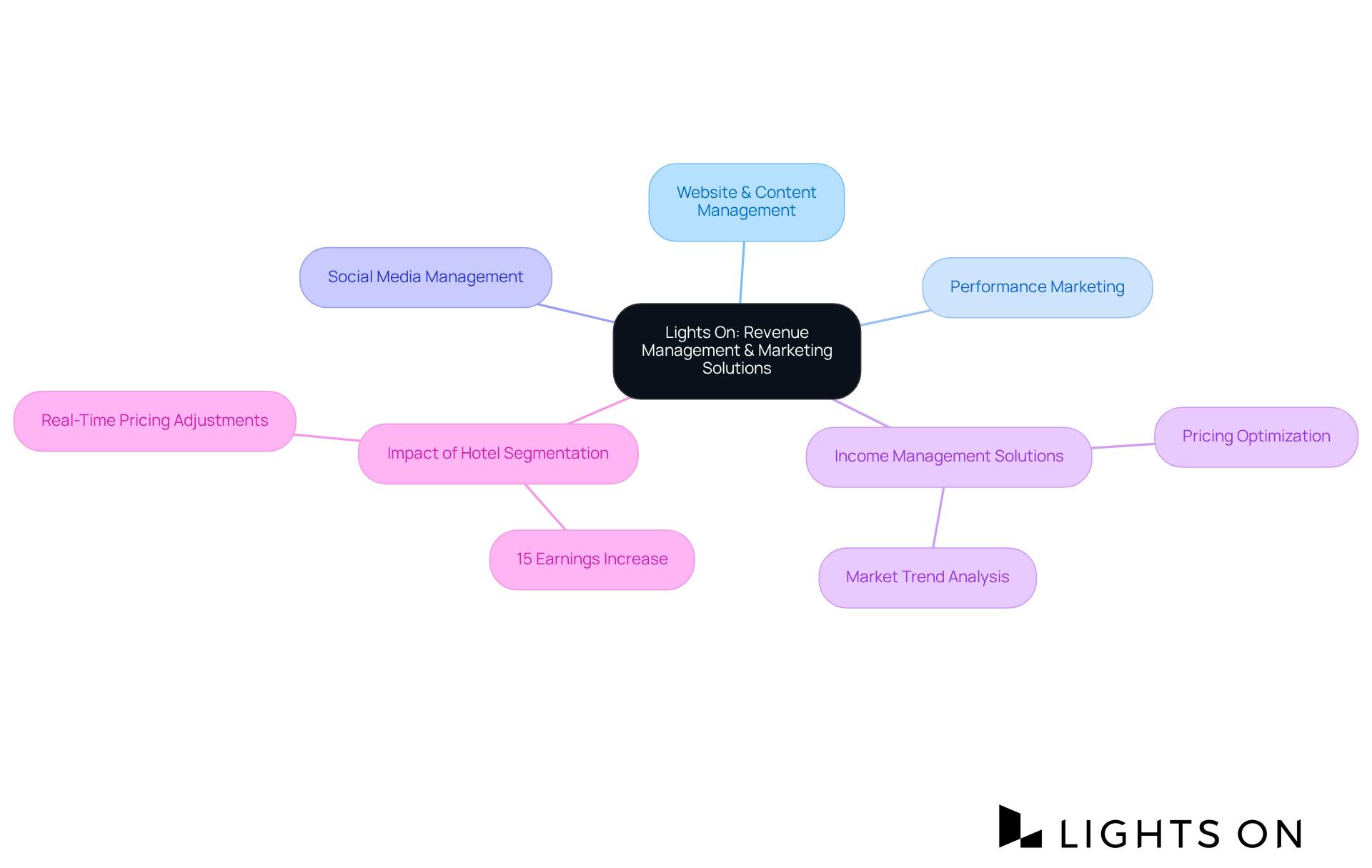
Lights On offers a robust suite of services tailored to elevate marketing and financial management, focusing on hotel segmentation for hotels and restaurants. Their expertise spans:
This integrated strategy empowers clients to engage effectively with customers, ultimately maximizing occupancy rates and revenue streams.
The impact of effective hotel segmentation on lodging performance is significant. In 2025, accommodations that implemented hotel segmentation alongside data-driven revenue management systems (RMS) reported an average earnings increase of 15%. This statistic underscores the tangible benefits of adopting such technologies. Case studies demonstrate that hotel segmentation, particularly through real-time pricing adjustments during high-demand events, can help properties seize sudden surges in demand, ensuring they capitalize on potential revenue opportunities.
Furthermore, the integration of digital marketing strategies has been shown to enhance hotel segmentation, which boosts lodging occupancy rates. By leveraging targeted advertising and improving online visibility, accommodations can attract a broader audience, leading to increased bookings. As the industry continues to evolve, the focus on operational rigor and hotel segmentation becomes crucial for maintaining a competitive edge in a challenging market.
In conclusion, Lights On's comprehensive approach not only meets the immediate needs of accommodations but also positions them for sustained success in an increasingly data-driven landscape.
Transient travelers, who typically make brief visits, present a significant opportunity for accommodations to boost their occupancy rates. To effectively attract this segment, hotel segmentation is essential for accommodations to implement strategies that resonate with their needs. Offering flexible booking options is crucial, as research shows that nearly 70% of customers prefer bookings with cancellation options. This flexibility not only caters to the growing demand for convenience but also serves as a key selling point. Furthermore, last-minute deals can entice spontaneous travelers, while personalized marketing campaigns that highlight local attractions and amenities can greatly enhance appeal.
Data analytics is vital in optimizing hotel segmentation for transient bookings. By analyzing booking patterns and identifying peak times, hotel segmentation allows accommodations to tailor their marketing efforts to align with traveler preferences. For instance, insights from industry reports can guide accommodations in adjusting pricing strategies and promotional offers, ensuring optimal occupancy during peak demand periods.
Expert opinions reinforce the significance of these strategies. Industry leaders emphasize that flexible booking options reduce friction during the decision-making process and foster trust and loyalty among patrons. As the hospitality landscape evolves, establishments that prioritize these methods are poised to see increased occupancy levels and heightened guest satisfaction.

Negotiating corporate rates is a powerful strategy for enhancing a lodging establishment's revenue stream. With 72% of business travelers and travel managers anticipating an increase in business trips, hotel segmentation for customized offerings is more critical than ever. By implementing hotel segmentation to create tailored packages that include essential amenities like meeting areas and complimentary services, accommodations can effectively attract business clients. To maximize this opportunity, accommodations should consider implementing promotional tactics such as loyalty programs or exclusive discounts for frequent corporate clients.
Examining the particular requirements of corporate travelers allows for effective hotel segmentation, enabling accommodations to modify their services accordingly, fostering loyalty and promoting repeat business. For instance, the 57-room ApartHotel successfully boosted its occupancy from 55% to 95% by implementing strategic corporate packages. Furthermore, establishments that negotiate corporate rates often experience an average revenue rise of 10-30%, highlighting the financial advantages of this strategy.
As hospitality consultant Ken Blanchard emphasizes, generating 'raving fans' through outstanding service and customized experiences is crucial for ongoing growth in the competitive accommodation sector. Are you ready to elevate your establishment's offerings and capture this lucrative market?

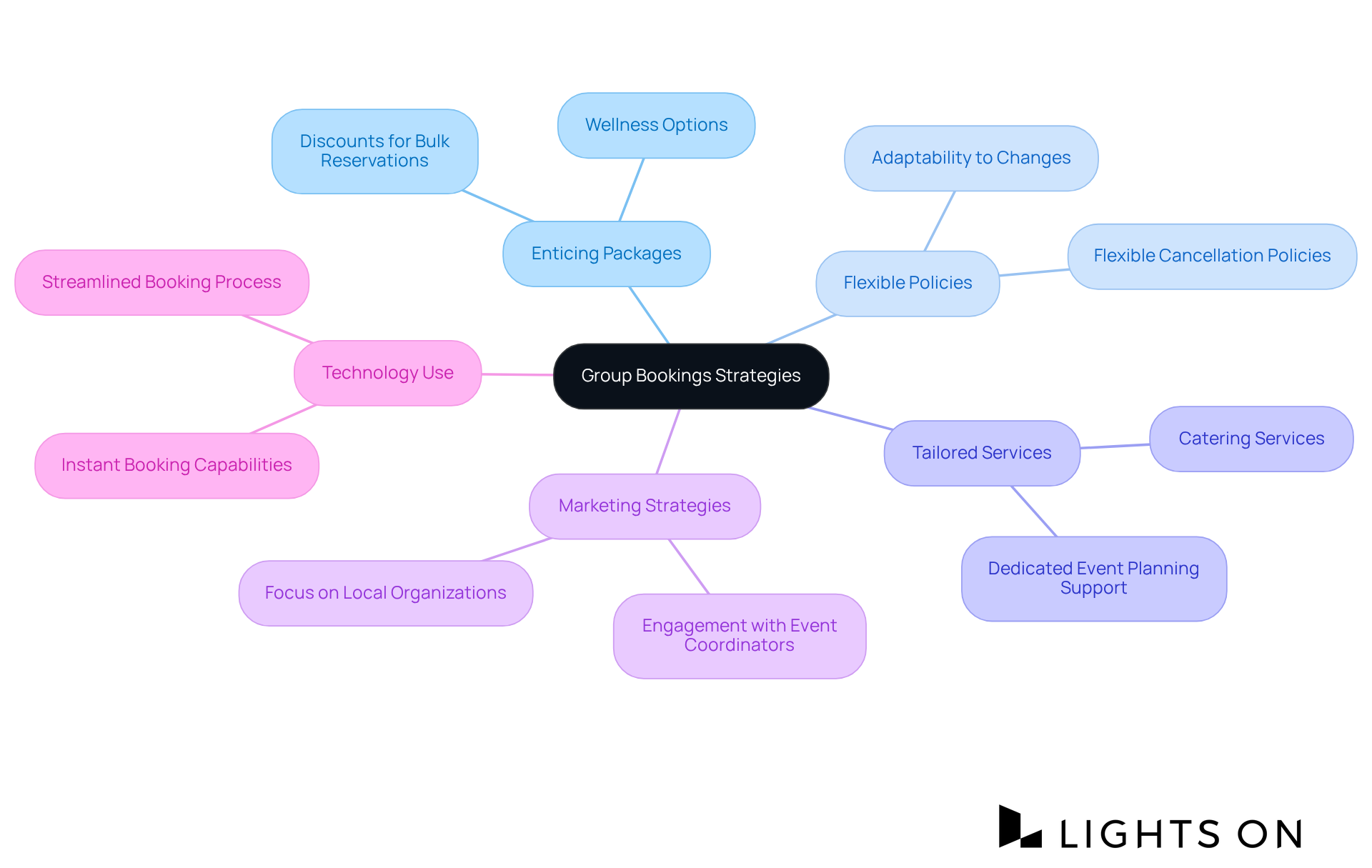
To effectively capture group bookings, accommodations must create enticing packages that attract larger parties. This includes offering discounts that incentivize bulk reservations, significantly enhancing occupancy rates. Flexible cancellation policies are crucial, providing reassurance to event planners managing large groups. This flexibility allows them to adapt to changing circumstances without incurring penalties. Tailored services, such as catering and dedicated event planning support, further enhance the attractiveness of these packages.
Marketing strategies should focus on local organizations, businesses, and event coordinators, highlighting the unique advantages of the establishment's group offerings. By interacting directly with event organizers, accommodations can gain valuable insights into their preferences and needs, refining their packages accordingly. Furthermore, leveraging technology to streamline the booking process is essential. Instant booking capabilities can significantly reduce the time and effort required for event planners, making it easier for them to secure venues quickly, especially in a competitive market where availability can change rapidly.
Successful case studies underscore the importance of these strategies. For instance, accommodations that have adopted flexible reservation options and tailored services report heightened satisfaction among event organizers, resulting in repeat business and favorable recommendations. As the demand for group reservations continues to rise, particularly following a strong recovery in the hospitality sector, establishments prioritizing these strategies will be well-positioned to increase their revenue and enhance their market presence. The global accommodation booking market, valued at $523 billion in 2024 and projected to reach $1.3 trillion by 2030, highlights the necessity of adapting to these trends. Moreover, with 85% of participants anticipating accommodations to provide wellness options, incorporating such features into group packages can additionally draw potential clients.
Forming wholesale collaborations is essential for accommodations aiming to offer rooms in large quantities at reduced prices. This strategy guarantees steady occupancy, even during periods of low demand. By collaborating with travel agents and online travel agencies (OTAs), hotels can significantly expand their reach to a broader audience, particularly transient travelers.
However, it’s crucial to recognize the challenges that wholesalers present. One major concern is the potential disruption of price parity when discounted prices appear on consumer channels. To maximize the benefits of these partnerships, maintaining competitive pricing while ensuring high-quality service is vital. This approach not only fosters long-term relationships with wholesalers but also enhances brand reputation and customer loyalty.
Effective management of these collaborations is key. Utilizing monitoring tools like Lighthouse’s Parity Insight can lead to increased visibility and occupancy rates. Ultimately, this strategy drives revenue growth, making it a compelling choice for hotel and restaurant owners looking to navigate the complexities of the market.

Hotel segmentation allows for the identification of specialized categories like wellness retreats, pet-friendly accommodations, and eco-friendly stays, which can significantly enhance a lodging's appeal. This approach not only attracts specific visitor segments but also improves hotel segmentation, positioning accommodations as leaders in niche markets. For instance, wellness retreats have gained traction, with travelers increasingly prioritizing health and relaxation during their stays. To capitalize on this trend, hotel segmentation should focus on creating packages that include:
Furthermore, marketing efforts must focus on hotel segmentation by implementing targeted campaigns that resonate with the interests and values of potential guests. This strategy not only improves brand visibility but also boosts occupancy levels. Successful case studies illustrate that accommodations promoting wellness packages have experienced occupancy levels rise by as much as 20%. This statistic underscores the concrete advantages of targeting niche markets.
By utilizing hotel segmentation through these specialized categories, accommodations can distinguish themselves in a competitive environment and cultivate stronger relationships with their guests. Are you ready to elevate your offerings and attract a dedicated clientele?

Dynamic pricing is a strategic method used in hotel segmentation that adjusts room costs based on demand, seasonality, and competitor pricing. This approach not only addresses the challenges of fluctuating market conditions but also positions accommodations to thrive. By leveraging revenue management systems (RMS), hotels can effectively analyze market trends and establish competitive pricing that boosts both occupancy and revenue. This data-driven strategy empowers lodgings to implement hotel segmentation, allowing them to seize peak demand periods while offering attractive rates during slower times, ultimately driving bookings.
For instance, accommodations employing dynamic pricing strategies have reported income growths of 20-25% compared to those using static pricing models. This significant difference underscores the potential of RMS in enhancing profitability. Furthermore, RMS facilitates continuous monitoring and real-time adjustments of pricing, ensuring that accommodations remain agile in response to market fluctuations. Revenue management specialists emphasize the necessity of aligning prices with market demand, highlighting that a well-executed RMS incorporating hotel segmentation can substantially elevate a lodging establishment's financial performance.
Successful case studies within the hospitality sector reveal that establishments utilizing RMS not only refine their pricing strategies but also enhance overall visitor satisfaction. By offering competitive rates tailored to customer expectations, these accommodations foster loyalty and repeat business.
Are you ready to transform your pricing strategy and maximize your revenue potential? Embrace dynamic pricing and watch your establishment thrive.

To enhance visitor satisfaction, accommodations must leverage visitor data for hotel segmentation to create tailored communication strategies that resonate with individual preferences. This approach encompasses sending personalized pre-arrival messages, offering customized upsells, and actively utilizing feedback to refine future interactions. Research shows that 71% of consumers expect personalized interactions, while 76% express frustration when these expectations are not met. By ensuring visitors feel valued and understood, accommodations can significantly boost satisfaction levels and foster loyalty, ultimately encouraging repeat visits.
Effective strategies include not only timely and relevant messaging but also the integration of mobile technology, which facilitates real-time interaction and tailored offers that cater to each individual's unique needs. As younger travelers increasingly prefer mobile-first interactions, establishments that prioritize personalized messaging will unlock additional revenue opportunities and enhance overall visitor experiences. Furthermore, with AI in the hospitality sector projected to grow by 40% in 2024, harnessing technology for personalized communication is becoming essential.
As Tom Logar emphasizes, timing is critical; even the most appealing offer can fail if presented at the wrong moment. Therefore, accommodations should focus on aligning upsells with visitor behavior and booking trends to maximize effectiveness. This strategic alignment not only meets consumer expectations but also enhances hotel segmentation, positioning establishments to thrive in a competitive landscape.

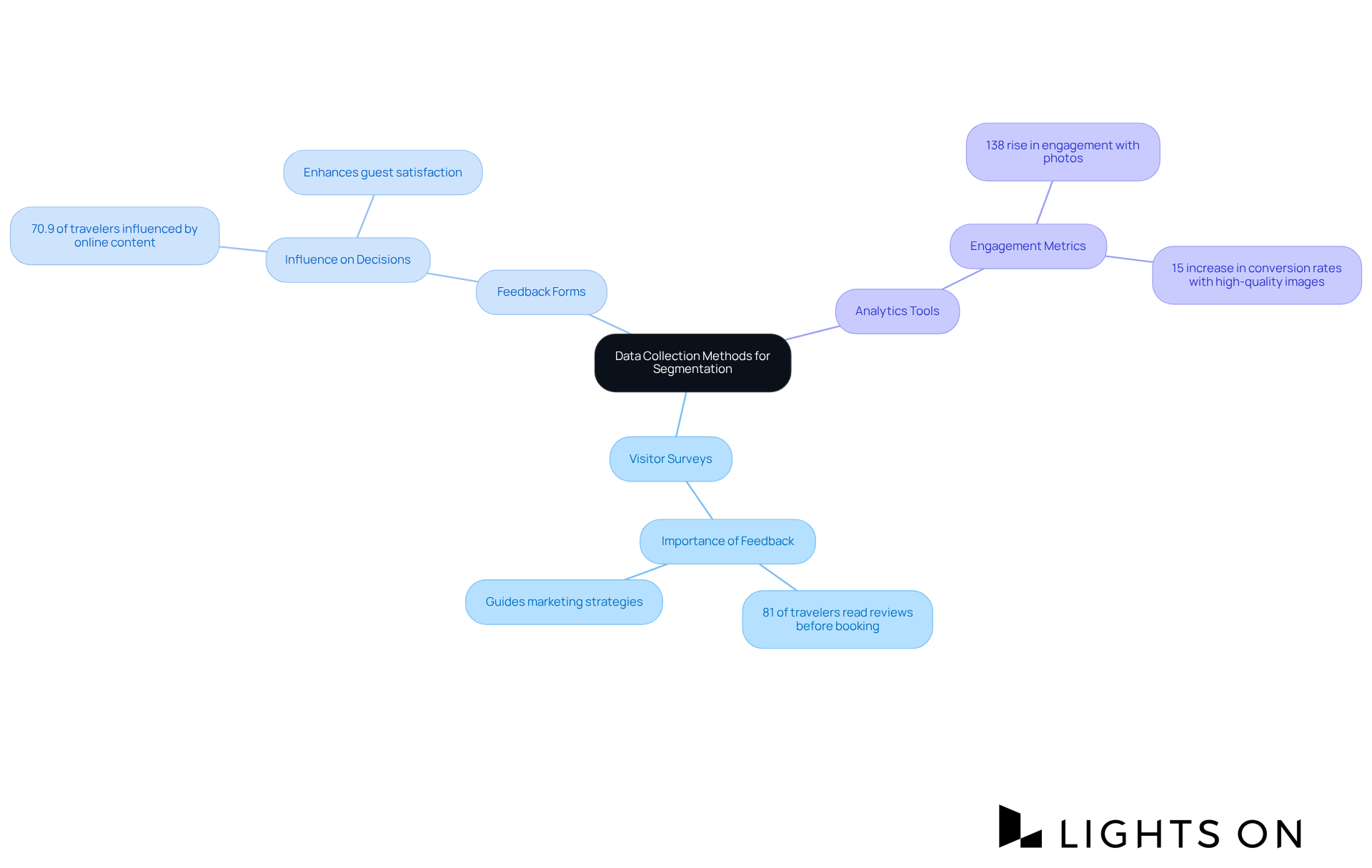
To effectively increase revenue, accommodations must adopt various data collection methods, including visitor surveys, feedback forms, and analytics tools. These approaches allow hotels to gather valuable insights into visitor preferences and behaviors. Did you know that 70.9% of travelers indicate that online content significantly influences their accommodation choices? This statistic highlights the critical importance of understanding visitor feedback. Furthermore, 81% of travelers read reviews prior to reserving lodgings, emphasizing the essential role of visitor feedback in decision-making.
By examining this data, accommodations can leverage hotel segmentation to create comprehensive visitor profiles, aiding in the personalization of marketing approaches and services tailored to the distinct requirements of different segments. Effective hotel segmentation not only boosts visitor engagement but also leads to greater conversion rates. For instance, properties with at least one photo in their listings observe a remarkable 138% rise in engagement, while accommodations featuring high-quality images witness a 15% increase in conversion rates.
Moreover, utilizing visitor surveys can guide marketing strategies, enabling hotels to enhance their messaging and outreach efforts. As industry analysts point out, collecting insights from visitors is essential for developing effective marketing campaigns that resonate with target audiences. A prime example is Ambiente Sedona's targeted campaigns, which resulted in significant revenue increases, demonstrating the effectiveness of hotel segmentation strategies.
Implementing these feedback strategies can lead to substantial improvements in direct bookings and overall visitor satisfaction. Are you ready to take your accommodation's revenue to the next level?
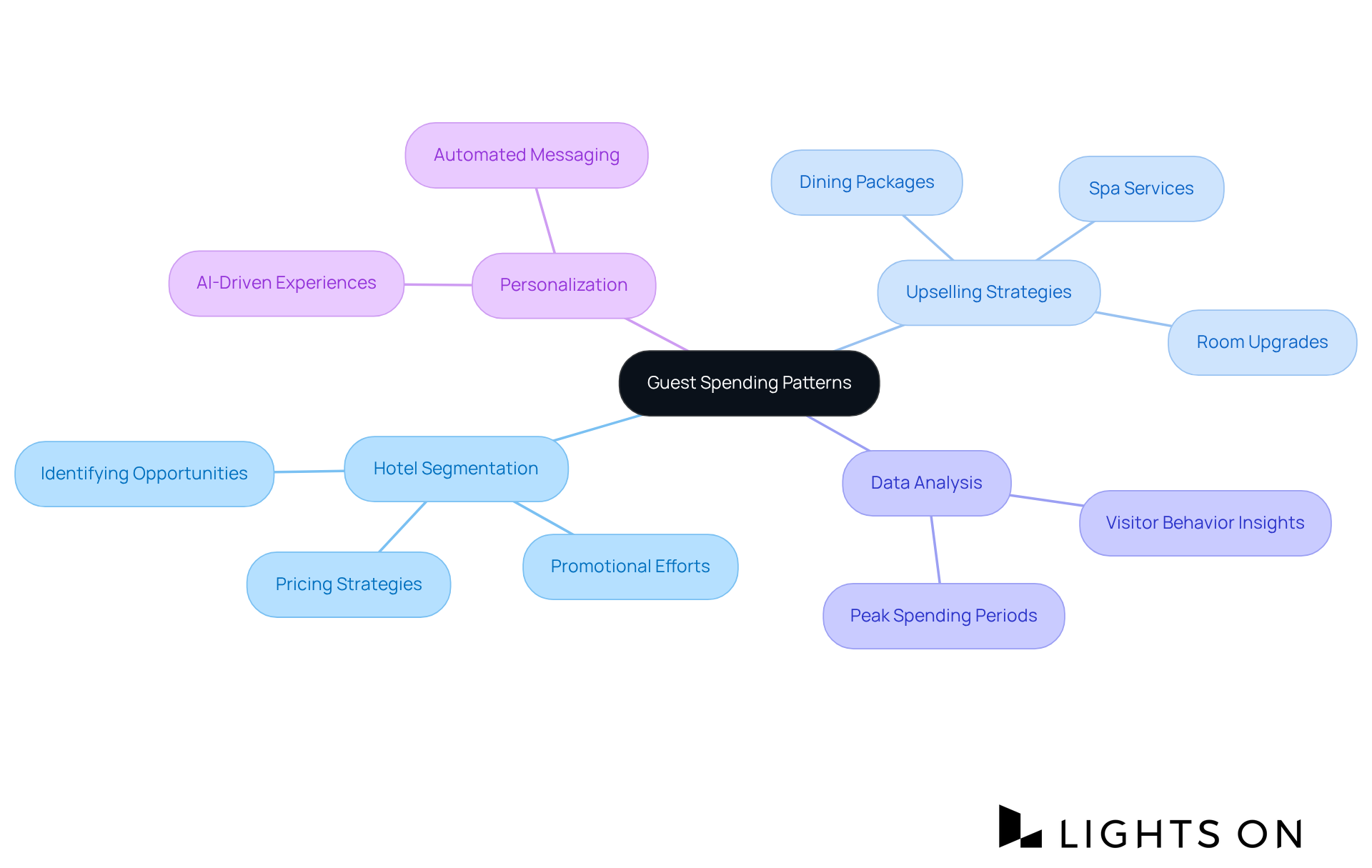
By examining visitor spending trends, hotel segmentation allows accommodations to identify opportunities for upselling and cross-selling. This includes offering packages that combine room stays with dining, spa services, or local experiences. Understanding hotel segmentation can guide pricing strategies and promotional efforts, ultimately enhancing revenue potential by revealing when and how visitors spend. Notably, guest spending in U.S. hotels is projected to reach a record high of $777.25 billion in 2025, underscoring the critical importance of effective upselling strategies.
Revenue management specialists emphasize the significance of understanding visitor behavior for effective hotel segmentation to enhance these strategies. For instance, guests often show a willingness to pay for upgrades that elevate their overall experience, such as room upgrades with better views or exclusive access to amenities. By leveraging data analysis, accommodations can pinpoint peak spending periods and tailor their services accordingly, optimizing income potential. The anticipated lodging occupancy rate of 63.38% in 2025 further highlights the necessity for accommodations to capitalize on upselling opportunities to boost revenue.
Moreover, successful upselling strategies are deeply rooted in hotel segmentation and personalization. Hotels that implement automated messaging systems can engage visitors through targeted communications, presenting relevant offers based on their previous interactions and preferences. As Maura Valentine notes, accommodations are increasingly utilizing AI to deliver highly tailored experiences that enhance satisfaction and foster loyalty. This approach not only increases the likelihood of acceptance but also cultivates a sense of loyalty among visitors, as they feel their individual needs are being met. Ultimately, a well-executed upselling strategy can significantly enhance hotel revenue while improving the overall guest experience.
Implementing effective hotel segmentation strategies is essential for accommodations aiming to enhance their revenue and occupancy rates. By tailoring offerings to meet the unique needs of various guest segments, hotels can attract a broader audience and ensure sustained financial growth in a competitive market.
Key strategies include:
These approaches are supported by data-driven insights that allow hotels to adjust pricing and promotional efforts in real-time, maximizing revenue potential. Furthermore, focusing on transient travelers, corporate clients, and group bookings can significantly boost occupancy rates and foster long-term loyalty among guests.
As the hospitality industry evolves, embracing these segmentation strategies will be crucial for accommodations looking to thrive. By leveraging technology and data analytics, hotels can refine marketing efforts, enhance guest experiences, and ultimately drive profitability. Establishments that prioritize these strategies are positioned for immediate success and are better equipped to adapt to future market trends and consumer preferences.
What services does Lights On provide for hotels and restaurants?
Lights On offers a suite of services that includes website and content management, performance marketing, social media management, and sophisticated income management solutions such as pricing optimization and market trend analysis.
How does hotel segmentation impact revenue for accommodations?
Effective hotel segmentation, when combined with data-driven revenue management systems, can lead to an average earnings increase of 15% for accommodations. It allows properties to adjust pricing in real-time during high-demand events, maximizing revenue opportunities.
What role does digital marketing play in hotel segmentation?
Digital marketing strategies enhance hotel segmentation by improving online visibility and enabling targeted advertising. This helps attract a broader audience, leading to increased bookings and higher occupancy rates.
Who are transient travelers and how can accommodations attract them?
Transient travelers are individuals making brief visits, presenting opportunities for accommodations to boost occupancy rates. Strategies to attract them include offering flexible booking options, last-minute deals, and personalized marketing campaigns highlighting local attractions.
Why is data analytics important for transient bookings?
Data analytics helps optimize hotel segmentation for transient bookings by analyzing booking patterns and identifying peak times. This allows accommodations to tailor their marketing efforts and adjust pricing strategies to align with traveler preferences.
How can accommodations maximize revenue from corporate clients?
Accommodations can maximize revenue from corporate clients by negotiating corporate rates and creating tailored packages that include essential amenities. Implementing promotional tactics such as loyalty programs or exclusive discounts can also attract business clients.
What are the financial benefits of negotiating corporate rates?
Establishments that negotiate corporate rates often experience an average revenue increase of 10-30%. This strategy allows accommodations to create customized offerings that foster loyalty and promote repeat business among corporate travelers.
What is the significance of flexible booking options for transient travelers?
Flexible booking options cater to the growing demand for convenience and are preferred by nearly 70% of customers. They reduce friction in the decision-making process and help build trust and loyalty among patrons.
Transform your group booking strategies with Lights On and watch your occupancy soar.


.svg)

